
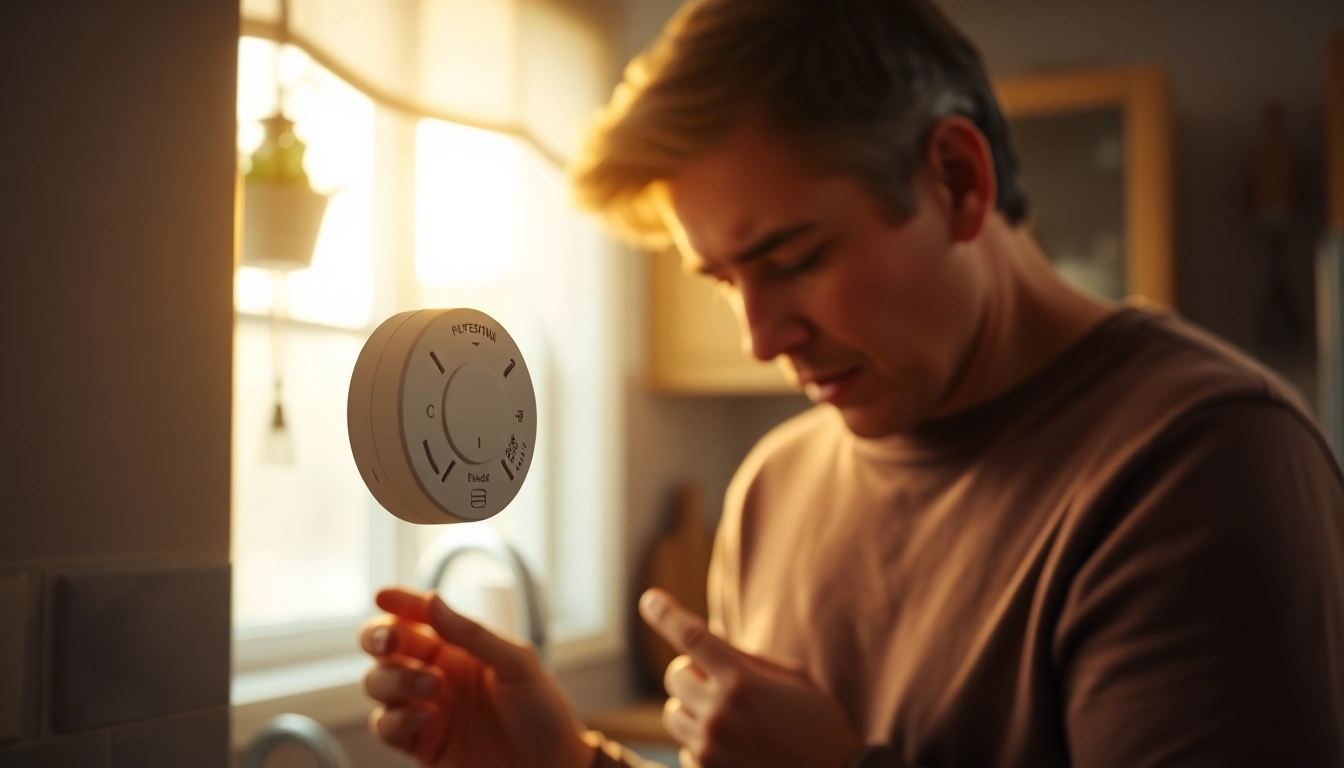
Understanding Carbon Monoxide Detector Beeping
When your home is equipped with a carbon monoxide detector, it serves as a crucial safety device designed to alert you to dangerous levels of carbon monoxide (CO). However, a common issue that homeowners face is when their detectors start beeping. Understanding what these beeping patterns mean is essential for maintaining safety and responding appropriately when they occur. For instance, if you encounter carbon monoxide detector beeping, it’s vital to assess the situation quickly.
What Causes Carbon Monoxide Detector Beeping?
Carbon monoxide detectors beep for various reasons, usually to convey a clear message regarding your home’s air quality or the device’s status. Here are the most common causes:
- Presence of Carbon Monoxide: Continuous ringing often indicates dangerous levels of CO in the air.
- Low Battery: Many detectors emit chirping sounds to indicate that the battery needs replacement.
- End-of-Life Warning: After a certain period, detectors need to be replaced, and chirping can signify this end-of-life alert.
- Device Malfunction: If the alarm is faulty or an issue with the sensor arises, it may also beep.
Signs Indicating a Problem with Your Detector
When your carbon monoxide detector is beeping, it shouldn’t be ignored. Here’s how you can identify specific issues:
- Continuous Alarm:This usually signals that there are hazardous levels of carbon monoxide in your home, necessitating immediate action to evacuate.
- Chirping Every 30-60 Seconds:This signifies a low battery or the need for maintenance. Regular checks can prevent surprises.
- Four Short Beeps:This indicates an emergency situation where carbon monoxide has been detected, and fresh air should be sought immediately.
How to Respond to Carbon Monoxide Detector Beeping
Responding correctly can mean the difference between life and death. Here’s a step-by-step guide on how to address the beeping:
- Evacuate the Area:If the alarm is continuous, ensure everyone leaves the premises immediately.
- Call Emergency Services: Once safe, call your local emergency services. They will assist in checking the levels of carbon monoxide in your home.
- Investigate the Source: If safe, check if any appliances might be the cause of the leak.
- Do Not Re-enter: Wait for professionals to declare the environment safe before returning.
Types of Beeping Patterns
Continuous Beeping: Imminent Danger
A continuous beeping alarm is one of the most alarming sounds and typically indicates a serious issue. This beeping pattern should be treated as a warning of immediate danger:
- Immediate Response Required:A continuous sound may indicate dangerous levels of carbon monoxide, which compromises the safety of everyone in the vicinity.
Intermittent Beeping: Low Battery or Maintenance Needed
Intermittent beeping often occurs in patterns—usually chirping every 30 seconds. This generally signals:
- Low Battery:Replace the batteries regularly to avoid malfunctions.
- Maintenance Alert:Consider having the detector serviced if regular beeping occurs.
What 3 or 4 Beeps Mean
Carbon monoxide detectors are programmed to emit specific beeping patterns to convey messages:
- Three Beeps:This typically indicates a moderate CO level. Take precautionary measures and check the alarm regularly.
- Four Beeps:This signals a high level of carbon monoxide. Immediate evacuation is essential.
Best Practices for Carbon Monoxide Detector Maintenance
Regular Testing and Replacement
Conduct regular tests of your carbon monoxide detector to ensure it is functioning properly:
- Monthly Testing:Most models come with a testing feature. Test it monthly to ensure operation.
- Replacement Schedule:Follow manufacturer recommendations for battery replacement—usually every six months—and full unit replacement every 5-7 years.
Cleaning Your Carbon Monoxide Detector
Keeping your detector clean will help prevent false alarms and ensure accurate readings:
- Dust Removal:Use a vacuum or a soft cloth to remove any dust or debris regularly.
- Check Vents:Clogs in ventilation can lead to inaccurate readings, so keeping air vents clear is essential.
Choosing the Right Location for Installation
Proper placement of your carbon monoxide detector is crucial for ensuring it functions effectively:
- Near Sleeping Areas:Install detectors within hearing range of sleeping occupants to ensure that alarming sounds prompt a quick response.
- Away from Appliances:Positioning alarms too close to fuel-burning appliances can lead to false alarms.
FAQs about Carbon Monoxide Detector Beeping
Why is my detector beeping randomly?
Random beeping often indicates a low battery or a malfunction. Replace the battery, and if the beeping continues, consult the user manual for troubleshooting steps.
How often should I replace the batteries?
Batteries should generally be replaced every six months. Regularly testing the alarm will also help ensure functionality.
What should I do if my detector keeps beeping after battery replacement?
Continuing beeping after a battery replacement may signify a malfunction. Check the user manual or consult a technician for possible solutions.
Can humidity affect carbon monoxide detector performance?
Yes, excessive humidity can cause false alarms or malfunctions. Keeping detectors dry and clean will improve their performance.
Is it safe to ignore chirping sounds from the detector?
Never ignore chirping sounds, as they could indicate a low battery or critical alerts about CO levels. Prompt attention is necessary.
Emergency Protocols During a Beeping Alarm
Immediate Steps to Take
During an alarm, follow these emergency protocols:
- Get all occupants out of the building without delay.
- Call emergency services for assistance.
- Do not re-enter until trained professionals ensure safety.
When to Contact Emergency Services
Always contact emergency services if your carbon monoxide detector continuously beeps. They will verify CO levels and assist with the situation.
Post-Alarm Safety Checklist
After the alarm, ensure you’re prepared by following these steps:
- Check that all detectors are fully operational.
- Ensure that your family knows how to respond in case of future alarms.
- Consider conducting a home inspection to identify any potential CO sources.