
The Basics of Cloud Based Phone System
In today’s fast-paced business world, communication is key. A cloud based phone system has emerged as a revolutionary solution for businesses looking to streamline their communication needs. This article delves into the fundamentals of cloud based phone systems, analyzing their functionality, components, and myriad advantages that cater to modern organizational requirements.
What is a Cloud Based Phone System?
A cloud based phone system utilizes the internet rather than traditional phone lines to facilitate voice communication, enabling users to make and receive calls from anywhere. This technology is often referred to as Voice over Internet Protocol (VoIP). Unlike conventional systems that rely heavily on hardware equipment, cloud based systems are hosted and maintained remotely, ensuring accessibility and flexibility for users.
How Cloud Based Phone Systems Work
Cloud based phone systems operate by routing voice signals via the internet rather than through conventional telephone networks. Voice data is converted into digital packets and transmitted across the internet. At the receiving end, these packets are reassembled into intelligible sound. This process often incorporates various internet technologies, including broadband connections, virtual private networks (VPN), and mobile data, making it a versatile solution for businesses of all sizes.
Key Components of Cloud Based Phone Systems
The primary components of cloud based phone systems include:
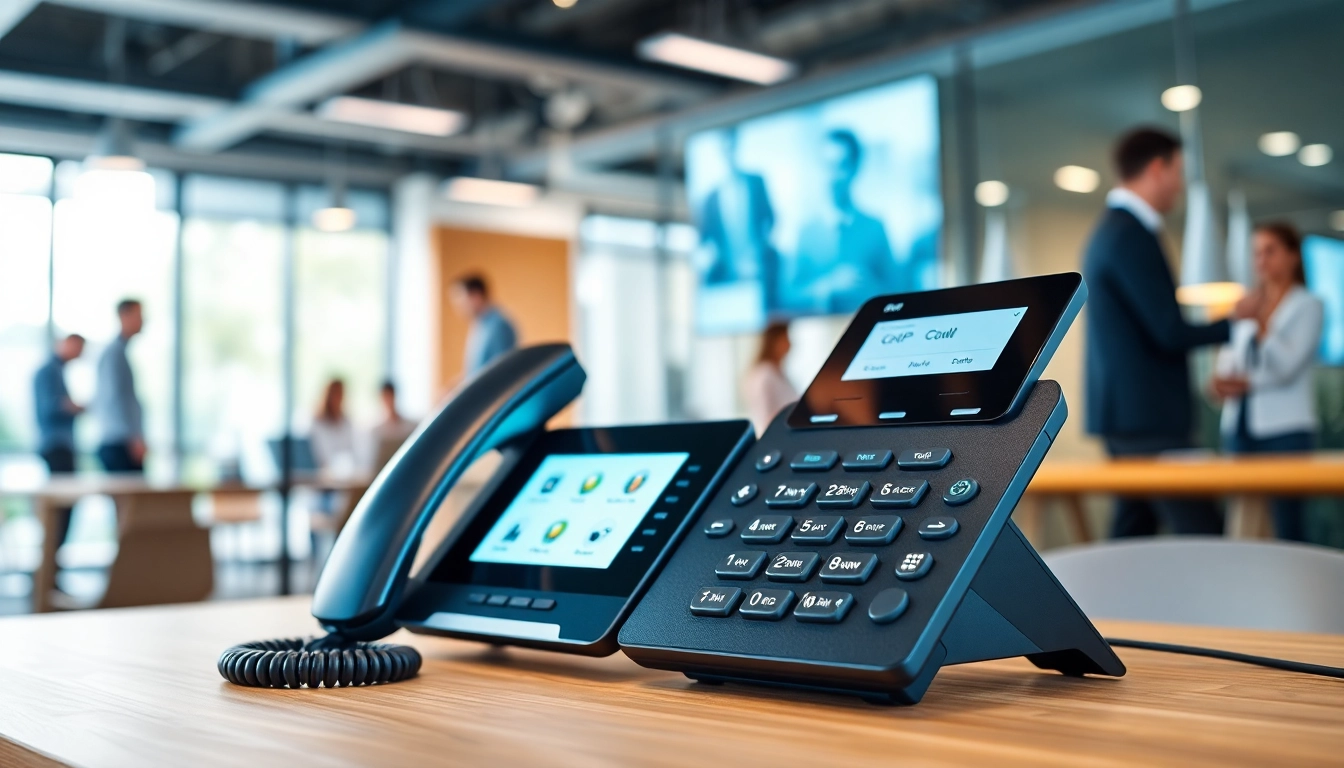
- VoIP Phones: These devices connect to the internet, allowing users to make calls directly.
- Softphones: Software applications that enable phone functionality on computers or mobile devices.
- Internet Connection: A robust and stable broadband connection is essential for optimal performance.
- Cloud PBX: A powerful platform hosted in the cloud that manages phone calls and their routing.
- Integrated Applications: Features like video conferencing, messaging, and collaboration tools enhance the communication experience.
Advantages of Cloud Based Phone System
Enhanced Flexibility and Scalability
One of the standout benefits of a cloud based phone system is its inherent flexibility. Users can make and receive calls from virtually anywhere, as long as they have an internet connection. This flexibility is particularly beneficial for remote or distributed teams. Moreover, the scalability of these systems allows businesses to easily add or remove lines according to their changing needs, making it an adaptable solution as businesses grow.
Cost-Effectiveness of Cloud Based Solutions
Transitioning to a cloud based phone system often leads to significant cost savings. Traditional phone systems require extensive hardware, installation, and maintenance, which can add up quickly. In contrast, cloud based solutions minimize upfront costs since they are hosted on remote servers. Businesses benefit from reduced operational expenses, with many providers offering subscription-based pricing models that align with usage patterns.
Improved Communication Features
Cloud based phone systems come with an array of advanced features that enhance communication. These can include voicemail to email, call forwarding, auto-attendants, video conferencing, and integration with customer relationship management (CRM) systems. Such features foster better collaboration and customer service, providing businesses with robust tools for engagement.
Choosing the Right Cloud Based Phone System
Assessing Your Business Needs
Selecting a cloud based phone system begins with an assessment of your business needs. Size, industry, and specific communication requirements play a critical role in determining the ideal system for your organization. For instance, businesses with remote teams may prioritize mobility features, while those with high call volumes may need robust call management capabilities.
Comparing Key Features
Once you have identified your business needs, it is crucial to compare the features offered by various providers. Look for essential functionalities such as call recording, analytics, customer support, and integrations with other software tools. Understanding which features will best serve your organization is key to making a sound investment.
Evaluating Service Providers
When evaluating service providers, consider factors like reliability, performance history, customer service, and user reviews. A strong reputation can indicate a provider’s commitment to quality and customer satisfaction. Additionally, inquire about the scalability of their services and support options available, as these can greatly impact your business in the long run.
Implementing a Cloud Based Phone System
Steps for Successful Deployment
Implementing a cloud based phone system involves several essential steps:
- Planning: Assess user needs and design an implementation strategy.
- Choosing a Provider: Select a provider that aligns with your needs, budget, and desired features.
- Installation: Set up the necessary hardware and software configurations for optimal performance.
- Testing: Conduct rigorous testing to ensure the system operates smoothly before going live.
Employee Training and Integration
A successful cloud based phone system implementation requires proper employee training. Employees should be familiar with the features and functions of the new system to maximize its potential. Schedule training sessions, provide user manuals, and make resources available to troubleshoot any issues that may arise during the transition.
Common Challenges and Solutions
Challenges in implementing a cloud based phone system may include connectivity issues, user resistance, and lacking features. Addressing connectivity can involve upgrading your internet infrastructure to ensure stable service. Overcome user resistance by emphasizing the system’s benefits and providing ongoing support during the transition. Additionally, if features are lacking, consider switching providers or upgrading your plan for more robust options.
FAQs About Cloud Based Phone System
What is the cost range for cloud based phone systems?
Costs can vary widely, typically ranging from $10 to $50 per user per month, depending on features and service levels.
How secure are cloud based phone systems?
Security depends on the provider and protocols in place. Look for end-to-end encryption and compliance with standards like GDPR to ensure data protection.
Can I integrate a cloud based phone system with existing tools?
Yes, cloud based phone systems can often be integrated with tools like CRMs, email, and collaboration applications to streamline workflow.
What support options are available for cloud based phone systems?
Support options typically include 24/7 customer service, online resources, live chat, and community forums to assist users.
How do I switch from traditional phone systems to cloud based?
Switching involves assessing needs, selecting a cloud provider, migrating data, installing new systems, and training employees on the new platform.