Understanding the AI Avatar Concept
What is an AI Avatar?
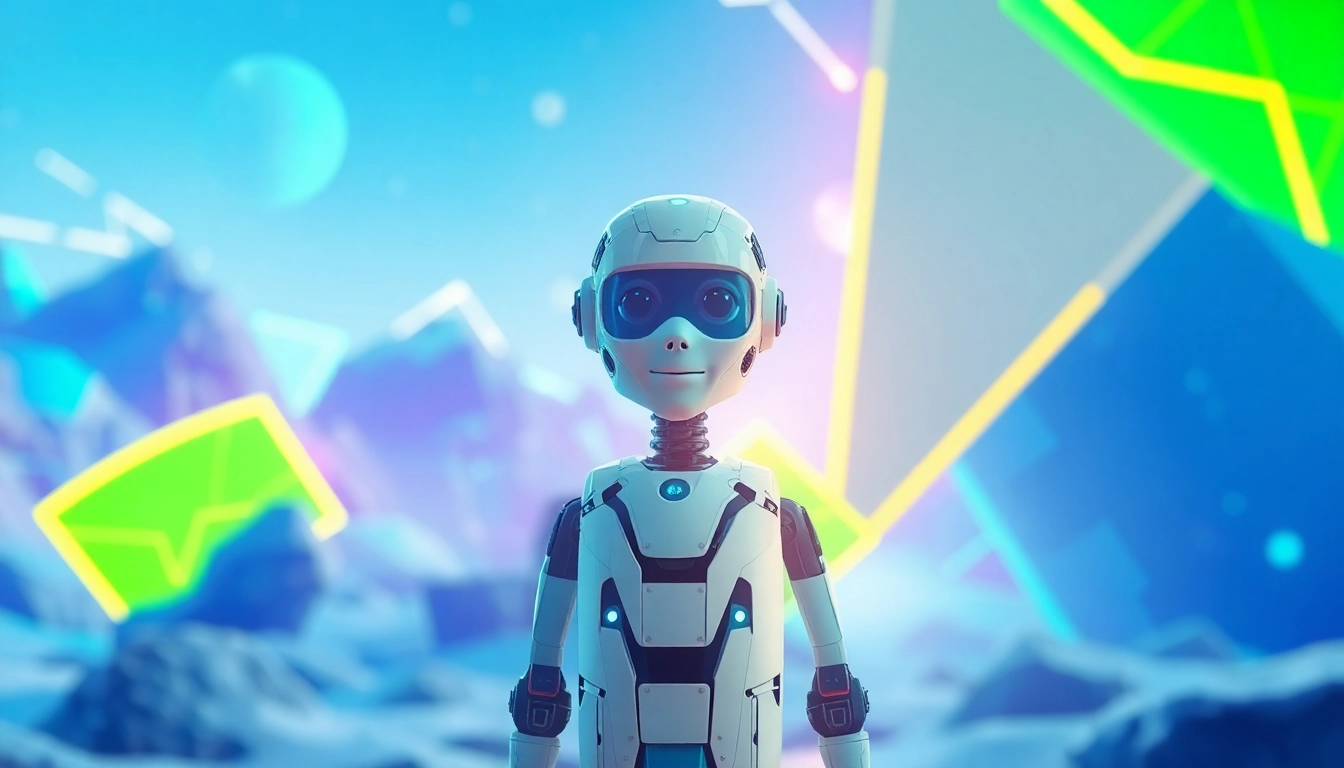
Artificial Intelligence (AI) avatars are digital representations of individuals powered by sophisticated algorithms that simulate human-like behavior and interactions. These avatars can take various forms, from lifelike 3D models to simple animated characters, designed to engage with users across multiple platforms. Visual aesthetics aside, they possess the unique ability to learn and adapt, making them incredibly useful in numerous applications, from customer service to personal assistants. The rise of the ai avatar signifies a notable shift in how we interact with technology, pushing the boundaries of personalization and user interaction.
History and Evolution of AI Avatars
The concept of avatars isn't new; it dates back to early internet forums where a simple profile picture would represent a user's identity. However, the AI avatar has evolved significantly, particularly in the last two decades. The incorporation of AI technologies, such as natural language processing (NLP) and machine learning (ML), has transformed avatars from static images to dynamic entities capable of meaningful interactions. Technologies like chatbots laid the groundwork, which subsequently inspired more sophisticated avatars that can comprehend and respond to human emotions and inquiries with remarkable accuracy.
Key Features of AI Avatars
- Interactivity: AI avatars can engage users in real-time conversations, responding intelligently based on user input.
- Personalization: They learn from user interactions, enabling tailored experiences that feel more relatable and relevant.
- Multimedia Integration: Capable of processing voice, text, and even visual inputs, they provide a harmonious blend of communication methods.
- Emotional Intelligence: Advanced algorithms allow avatars to recognize sentiment and adjust responses accordingly, enhancing the interaction quality.
- Cross-Platform Functionality: AI avatars can operate seamlessly across various platforms, making them versatile tools for businesses and individual creators alike.
Applications of AI Avatars
Use Cases in Social Media
In social media, AI avatars have emerged as engaging tools for user interaction. Brands leverage avatars to represent their identity in a compelling manner, creating a sense of relatability. For instance, businesses can use avatars as virtual influencers, driving engagement through tailored content that resonates with their audience. Additionally, social platforms are integrating AI avatars to enhance user experience, allowing users to create personalized profiles that reflect their unique identities and preferences.
Implementations in Customer Support
AI avatars serve as frontline representatives in customer support, streamlining interactions and resolving issues efficiently. They can handle a multitude of inquiries simultaneously, providing instant responses to users. The integration of these avatars in customer service not only improves response times but also offers a more engaging experience for users. By analyzing previous conversations, these avatars learn to provide more accurate solutions over time, ensuring customer satisfaction.
AI Avatars in Gaming Experiences
In the gaming industry, AI avatars contribute to dynamic storytelling and immersive gameplay. They serve as non-player characters (NPCs), providing players with rich narratives and personalized experiences. These avatars can adapt their interactions based on player actions, offering a unique storyline for each gamer. Furthermore, developments in AI technology allow for more realistic animations and behaviors, enriching the overall gaming environment and increasing player retention.
Creating Your Own AI Avatar
Step-by-Step Guide to Avatar Creation
Creating an AI avatar can be an exciting endeavor. Here’s a guide to help you through the process:
- Define Purpose: Determine what you want your avatar to achieve. Is it for social media, customer support, or gaming? This will influence design choices.
- Choose a Design Tool: Select software that suits your needs. Options range from advanced 3D modeling tools to simpler avatar creators.
- Design Appearance: Consider attributes like color, style, and clothing to match your brand or personal aesthetic.
- Develop Personality: Outline the avatar’s character traits that align with its intended role and audience.
- Implement AI Capabilities: Integrate AI that allows the avatar to learn from interactions and respond appropriately.
- Test and Iterate: Launch a beta version and gather feedback. Use this input for continuous improvement.
Choosing the Right Design Tools
The right design tools are crucial for creating compelling AI avatars. Some popular options include:
- Blender: An open-source 3D creation suite with extensive animation capabilities.
- Unity: A versatile platform for developing both 2D and 3D games that offers asset stores for avatars.
- Daz 3D: Provides a library of customizable character models and a user-friendly interface.
- Character Animator: Adobe’s tool for creating animated avatars based on user inputs.
- Ready Player Me: A unique tool for creating personalized 3D avatars for gaming and virtual environments.
Best Practices for Personalization
Personalization is key to ensuring your AI avatar resonates with its audience. Here are some best practices:
- Understand Your Audience: Conduct thorough research on user expectations and preferences.
- Gather Feedback: Use surveys and polls to refine your avatar’s characteristics based on real user insights.
- Enable Customization: Allow users to personalize elements such as appearance, voice, and behavior to enhance engagement.
- Utilize Data: Leverage analytics to track interactions and refine your avatar’s responses over time.
- Be Consistent: Maintain a consistent tone and personality across all interactions to build trust.
Performance and Analytics of AI Avatars
Measuring Engagement Metrics
Understanding how users engage with your AI avatar is vital for improving its effectiveness. Essential metrics include:
- Session Duration: The average time users spend interacting with the avatar.
- Response Time: The speed at which the avatar reacts to user input.
- Interactivity Rate: The percentage of users who actively engage with the avatar versus those who simply view it.
- User Retention: Monitoring the return rate of users can indicate satisfaction.
- Feedback Scores: Collecting ratings from users on their experience can provide quantitative insights.
Analyzing User Interaction Data
Recording and analyzing interaction data helps identify trends and improvement areas. Important data to analyze includes:
- Frequency of Interactions: How often users engage with the avatar on a daily, weekly, or monthly basis.
- User Demographics: Understanding the age, gender, and location of users can tailor the avatar’s personality and offerings.
- If Users Finish Their Tasks: Tracking whether users are achieving their goals when interacting with the avatar.
- Service Issue Resolution: Analyzing how effectively the avatar resolves customer inquiries or issues.
- User Satisfaction Surveys: Utilize surveys post-interaction to gather qualitative data.
Iterative Improvement Techniques
The development of AI avatars is an ongoing process, and iterative improvement is key. Consider these techniques:
- Conduct A/B Testing: Experiment with different avatar designs or response types to see what resonates best.
- Incorporate User Feedback: Regularly update the avatar based on direct user input for continuous enhancement.
- Regular Updates: Keep the AI algorithms updated to adapt to changing user behaviors and preferences.
- Use Machine Learning: Allow the avatar to evolve its responses based on past interactions.
- Engage in Community Discussions: Forum participation can provide insights and new ideas for improving the avatar.
Future Trends in AI Avatar Development
Advancements in AI Technologies
As AI technology evolves, so do the capabilities of AI avatars. Future advancements may include improved natural language understanding, allowing avatars to comprehend context, sentiment, and even humor in conversations, making them appear more human-like and relatable. Enhanced graphics and animation technologies will also make these avatars increasingly realistic, enhancing user experiences in virtual settings.
Integration with Virtual Reality
AI avatars are expected to play a significant role in virtual reality (VR) and augmented reality (AR) environments. These avatars will act as guides in immersive experiences, fostering deeper user engagement in training programs, virtual events, and online gaming. By integrating with VR, avatars can simulate real-world interactions, enhancing learning, entertainment, and collaboration.
Sustainability and Ethical Considerations
As the use of AI avatars grows, so does the need for sustainable and ethical considerations. Designers and developers must focus on creating avatars that reflect diversity and inclusivity, ensuring that all users see themselves represented. Furthermore, privacy concerns will necessitate transparent policies regarding data usage and user consent, reinforcing trust in these advanced technologies.
Frequently Asked Questions
What can an AI avatar do?
An AI avatar can engage in real-time conversations, provide personalized experiences, and learn from user interactions to improve over time.
How do I create an AI avatar?
To create an AI avatar, define its purpose, choose design tools, develop its appearance and personality, and integrate AI capabilities for interaction.
Where are AI avatars used?
AI avatars are widely used in social media, customer support, gaming, and virtual events, enhancing user experiences across platforms.
What technologies power AI avatars?
AI avatars are powered by technologies such as machine learning, natural language processing, and computer graphics to facilitate interactions.
Are AI avatars ethical?
Yes, but it's essential to consider inclusivity, privacy, and user consent to ensure responsible development and use of AI avatars.