
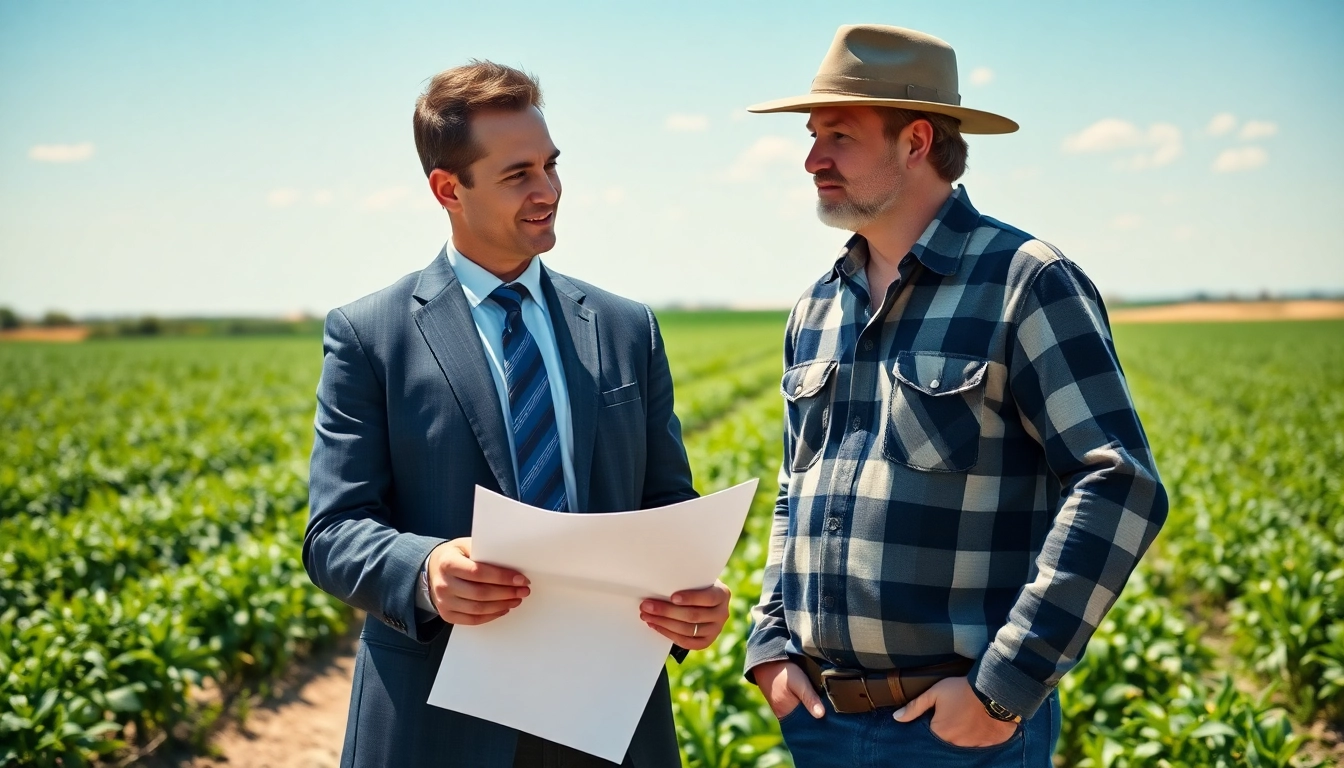
Understanding the Role of an Agriculture Lawyer
In a world where agriculture plays a crucial role in sustenance and economic stability, the legal landscape surrounding this sector is equally important. An agriculture lawyer specializes in laws that affect farming and agribusiness, which includes everything from land use to labor relations. Understanding the pivotal role these professionals play can help stakeholders navigate complex legal terrains effectively.
What Does an Agriculture Lawyer Do?
An agriculture lawyer’s primary role is to provide legal counsel to individuals and entities involved in the agricultural industry. These professionals represent farmers, agribusinesses, and even agricultural cooperatives in a range of legal matters. Their expertise is essential in ensuring compliance with laws and regulations relating to farming operations, environmental issues, land conservation, contracts, and labor relations. These legal experts often handle disputes and provide guidance on best practices to avoid potential legal pitfalls.
Key Areas of Expertise in Agricultural Law
Agricultural law encompasses a broad array of specific areas where legal professionals provide support. Key areas include:
- Land Use and Zoning: Agriculture lawyers assist clients with navigating land use policies and zoning laws that affect agricultural activities.
- Water Rights: Given the vital role of water in agriculture, these lawyers help secure and protect water use rights, ensuring compliance with local and federal regulations.
- Environmental Regulations: Compliance with laws regarding pesticide use, waste management, and environmental impact assessments is fundamental in the agricultural sector.
- Labor Laws: Agriculture lawyers guide clients on labor relations and compliance with regulations surrounding farmworkers, including wages and working conditions.
- Contracts: From land leases to purchase agreements, agriculture lawyers draft and review contracts to protect their clients’ interests.
The Importance of Choosing the Right Agriculture Lawyer
Choosing the right agriculture lawyer can significantly impact agricultural operations. A knowledgeable attorney brings not only legal expertise but also a deep understanding of the agricultural sector. Their familiarity with local issues, regulations, and agricultural practices ensures tailored advice that directly addresses the specific needs and challenges faced by clients in that area. Selecting a lawyer who specializes in agricultural law can provide a competitive edge in managing legal challenges efficiently.
Common Legal Issues Faced by Farmers
Farmers encounter various legal issues that can complicate their daily operations and long-term planning. Below are some of the most common legal challenges they face.
Navigating Land Use and Zoning Laws
Land use and zoning laws dictate how agricultural land can be utilized. Farmers often find themselves contending with local government regulations that may affect their ability to use land for farming purposes. Understanding these laws requires legal expertise, as they often involve navigating complex permits, variances, and zoning classifications. An agriculture lawyer can assist in obtaining the necessary permissions and advocating for their clients’ interests in zoning hearings.
Water Rights and Environmental Regulations
Access to water is critical for agricultural success, yet water rights can be a contentious legal issue. Farmers must comply with local and state regulations regarding water use, which can differ significantly depending on the geography of the region. Agricultural lawyers help secure water rights for irrigation, ensuring compliance with ever-evolving environmental regulations aimed at preserving water quality and protecting ecosystems.
Labor Laws Affecting Agricultural Workers
Agriculture employs a significant number of workers, many of whom are subject to labor laws that protect their rights and define their work conditions. Farmers must navigate labor regulations, including wage laws, safety protocols, and workers’ compensations. An agriculture lawyer is invaluable in developing fair labor practices, addressing potential disputes, and ensuring compliance to avoid legal ramifications that could disrupt operations.
How to Find the Right Agriculture Lawyer for Your Needs
Finding the right agriculture lawyer is crucial for any farming business. Several factors should be considered to ensure you choose a lawyer best suited for your needs.
Evaluating Experience and Expertise
When looking for an agriculture lawyer, consider their experience within the agricultural sector and specific expertise in areas relevant to your needs, such as environmental regulations or labor laws. Inquire about their past cases and outcomes, as well as their familiarity with local laws, as these can vary significantly across regions. A lawyer with a background in agriculture or agribusiness can provide insights that standard legal practitioners may overlook.
Questions to Ask During Consultations
Consultations are an opportunity to assess whether an agriculture lawyer is the right fit for you. Here are some key questions to consider:
- What is your experience with agricultural law?
- Can you provide examples of cases similar to mine?
- How do you charge for your services, and what are your payment structures?
- What strategies would you recommend for my legal issues?
- How will you keep me informed about my case progress?
Assessing Fees and Payment Structures
Fees can vary significantly depending on the lawyer’s experience and the complexity of the services provided. Some lawyers may charge hourly rates, while others may offer fixed fees for specific services. It is vital to understand the payment structure and estimate the overall costs involved. Ensure that there is transparency regarding fees to avoid unexpected expenses during your legal journey.
Best Practices for Collaborating with Your Agriculture Lawyer
Collaboration with your agriculture lawyer significantly influences the effectiveness of legal representation and can lead to successful outcomes. Here are some best practices for working with your attorney.
Providing Necessary Documentation
Before meetings, ensure that you have all relevant documents organized and ready for discussion. This includes land deeds, contracts, environmental assessments, and communications regarding legal issues. Providing comprehensive documentation allows your lawyer to prepare adequately and develop a strategy that addresses your specific situation.
Maintaining Open Communication
Open communication is essential for successful legal representation. Establish regular check-ins to discuss progress and address any concerns or changes in circumstances. Transparency about your goals and expectations allows your lawyer to tailor their strategies accordingly and can prevent misunderstandings or misaligned objectives.
Setting Clear Goals and Expectations
At the outset, work with your agriculture lawyer to set clear goals for your legal matters. Discuss what outcomes you hope to achieve and establish realistic timelines. Well-defined objectives not only guide your lawyer’s actions but also keep you focused on the end goal, facilitating more effective engagement throughout the legal processes.
The Future of Agriculture Law and Legal Issues
The field of agricultural law is dynamic and ever-evolving, driven by changes in technology, environmental policy, and societal needs. Staying informed about trends and legal developments is essential for farmers and agribusinesses moving forward.
Emerging Trends in Agricultural Law
With sustainability being a predominant concern, agricultural law is increasingly intersecting with environmental policies. Issues such as climate change, sustainable farming practices, and the regulation of GMOs (genetically modified organisms) are reshaping the landscape. Awareness of these trends and their implications will empower stakeholders to adapt to a future that is more environmentally conscious.
Impact of Technology on Farming and Legal Practices
Technological advancements have revolutionized agriculture—from precision farming to digital platforms for transactions and legal agreements. This transition introduces new legal considerations, including intellectual property protections for innovations and cybersecurity implications. The role of agriculture lawyers will continue to evolve as they navigate these challenges and help clients embrace technological changes while remaining compliant with the law.
Staying Informed on Legislative Changes
Agricultural policies are subject to frequent changes driven by new research, public opinion, and shifts in administration priorities. It is crucial for farmers and agribusinesses to remain updated on legislative changes that could impact their operations. Regular consultations with an agriculture lawyer can help clients stay ahead of the curve, ensuring they are in compliance with all relevant laws and regulations.