

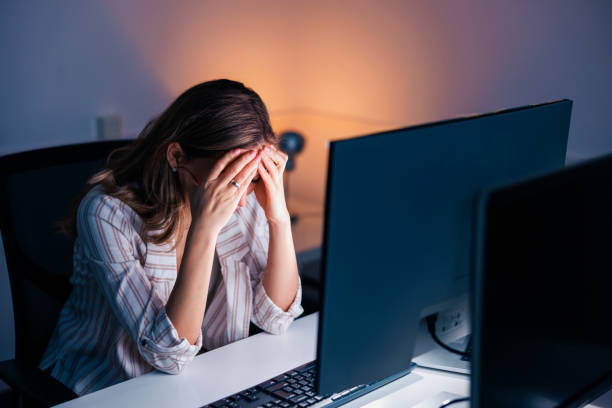
Everyone experiences stress and anxiety from time to time, but when everyday pressures begin to feel overwhelming, they can take a serious toll on mental, emotional, and physical well-being. Work deadlines, family responsibilities, financial concerns, and social obligations can all contribute to a sense of being constantly “on edge.” At Calm Minds Hub, we help you recognize when Stress and anxiety have crossed the line and provide practical strategies to regain control and calm.
Recognizing Overwhelming Stress and Anxiety
Understanding when everyday stress and anxiety become overwhelming is key to taking timely action. Signs may include:
- Persistent worry that interferes with daily activities
- Feeling constantly fatigued or drained
- Irritability, mood swings, or emotional outbursts
- Difficulty concentrating or making decisions
- Physical symptoms such as headaches, muscle tension, or stomach issues
- Withdrawal from social interactions or previously enjoyable activities
If these symptoms persist for weeks or months, it’s a signal that stress and anxiety may be exceeding healthy levels and require focused intervention.
Common Triggers of Overwhelming Stress and Anxiety
Everyday pressures can become overwhelming when multiple stressors accumulate or remain unresolved. Common triggers include:
- Work overload and tight deadlines
- Financial challenges or job insecurity
- Family responsibilities and relationship conflicts
- Health concerns or chronic illness
- Major life transitions like moving, career changes, or loss
These stressors can interact, amplifying stress and anxiety and making it harder to cope effectively.
Strategies to Manage Overwhelming Stress and Anxiety
Even when pressures feel intense, practical strategies can help reduce stress and anxiety and restore a sense of control.
1. Prioritize and Organize Tasks
Break large responsibilities into smaller, manageable steps. Create a to-do list, prioritize critical tasks, and delegate when possible. This approach reduces feelings of overwhelm and prevents unnecessary stress and anxiety.
2. Practice Mindfulness and Meditation
Mindfulness exercises, including meditation and deep breathing, help focus attention on the present moment. These techniques reduce rumination and calm the nervous system, lowering stress and anxiety levels.
3. Take Regular Breaks
Short, intentional breaks throughout the day allow the mind and body to recover. Even a five-minute walk or stretching session can decrease stress and anxiety and improve productivity.
4. Set Boundaries
Learn to say no when commitments exceed your capacity. Setting boundaries protects your mental health and prevents stress and anxiety from escalating.
5. Engage in Physical Activity
Exercise reduces stress hormones and boosts endorphins. Activities like jogging, yoga, or cycling help manage stress and anxiety and improve overall well-being.
6. Connect with Supportive People
Talking to trusted friends, family members, or support groups provides perspective and emotional relief. Social support can buffer the effects of overwhelming stress and anxiety.
7. Practice Self-Care
Dedicate time to activities that promote relaxation and joy, such as reading, hobbies, or creative pursuits. Self-care is essential for reducing stress and anxiety and maintaining balance.
8. Seek Professional Help When Needed
If stress and anxiety become unmanageable, consulting a therapist or counselor can provide structured coping strategies and, when necessary, medical support.
FAQs
Q1: How do I know if my stress and anxiety are overwhelming?
If stress and anxiety interfere with daily functioning, persist for weeks, or lead to physical or emotional exhaustion, they may be overwhelming.
Q2: Can lifestyle changes alone manage overwhelming stress?
Lifestyle changes such as exercise, mindfulness, and self-care can significantly help, but professional support may be necessary for severe or chronic stress and anxiety.
Q3: How quickly can these strategies help reduce stress and anxiety?
Immediate relief can occur through breathing exercises or short breaks, while consistent practices like meditation, time management, and social support show measurable benefits over weeks.
Conclusion
When everyday pressures begin to feel overwhelming, recognizing the signs of excessive stress and anxiety is the first step toward regaining control. Practical strategies such as task prioritization, mindfulness, physical activity, self-care, setting boundaries, and seeking support can significantly reduce the impact of stress and anxiety and restore balance. At Calm Minds Hub, we emphasize that no one needs to face overwhelming stress and anxiety alone. By incorporating these techniques into daily life and seeking professional guidance when necessary, you can manage pressures effectively, strengthen resilience, and cultivate a calmer, healthier, and more fulfilling life despite the demands of modern living. Go back to the homepage to find fresh ideas and trending topics. Looking for something specific? You’ll find it faster on our homepage.
Contact Us:
Name: Calm Minds Hub
Address: London Eye, Riverside Building, County Hall, Westminster Bridge Rd, London SE1 7PB, United Kingdom
Website: https://calmmindshub.com/