
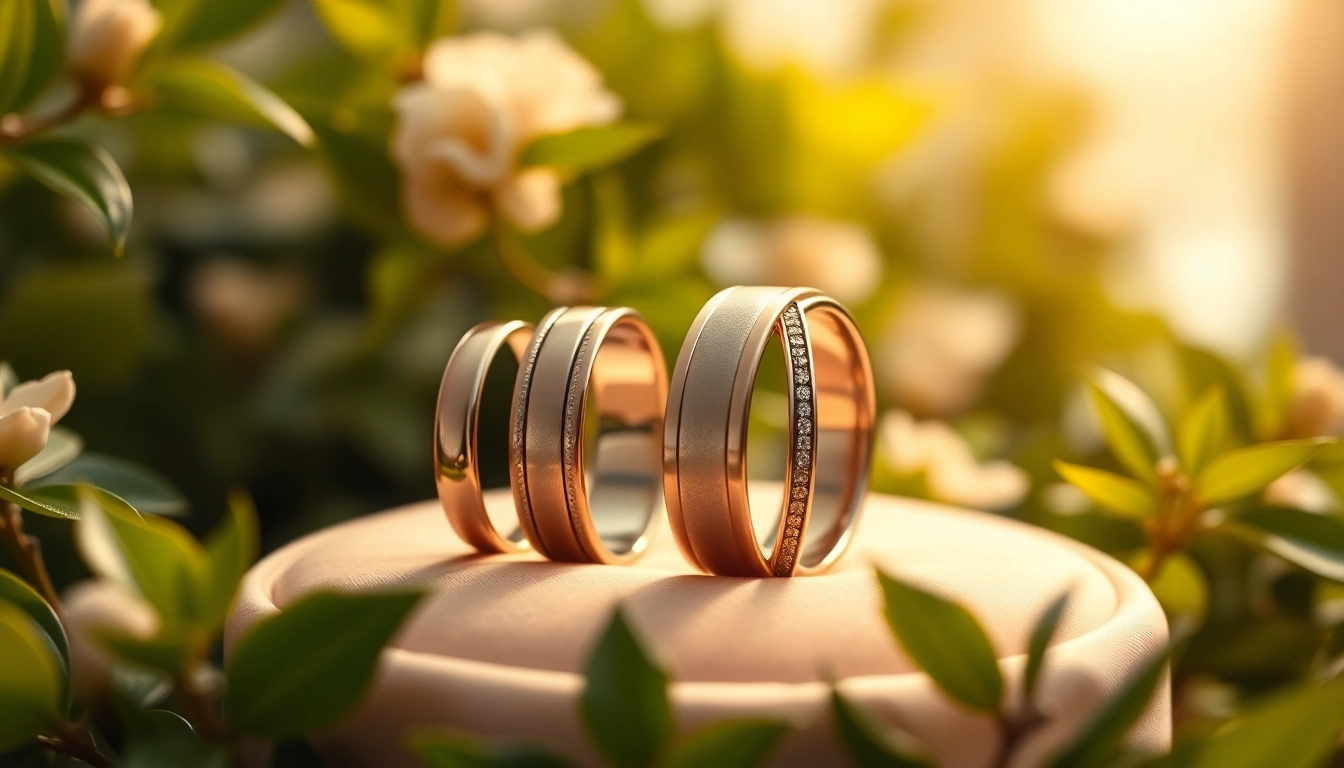
Understanding Wedding Bands
What are Wedding Bands?
Wedding bands are more than just pieces of jewelry; they are symbols of love and commitment shared between two individuals. Traditionally exchanged during wedding ceremonies, these bands serve as physical reminders of the vows made. Unlike engagement rings, which often feature a prominent gemstone and are typically given during the proposal, wedding bands are simpler and more understated. They are often crafted from durable materials to symbolize enduring love and can be personalized for a unique touch. For those looking to explore different styles and options, you can start by viewing a selection of Wedding bands that suit your taste.
Types of Wedding Bands
There are several types of wedding bands available, each designed with unique styles and preferences in mind. The most common types include:
- Classic wedding bands: Simple and timeless, these bands are often made from precious metals without added embellishments.
- Diamond wedding bands: Featuring diamonds or other gemstones, these bands offer a touch of elegance and sparkle. They can be channel-set, pave-set, or have a single stone accent.
- Stackable bands: These delicate bands can be worn alone or stacked with other rings, allowing for a customizable look.
- Vintage wedding bands: Inspired by different eras, these rings often feature intricate designs or engravings that evoke historical artistry.
- Alternative metal wedding bands: Made from materials like titanium, tungsten, or ceramic, these bands are popular for those seeking non-traditional options.
Symbolism of Wedding Bands
The circular shape of a wedding band symbolizes eternity, representing the unbreakable bond between partners. The material of the band often holds additional significance. For example, gold signifies wealth and prosperity, while platinum is associated with strength and purity. The wearing of the wedding band on the ring finger of the left hand ties back to the ancient belief that a vein in this finger leads directly to the heart, further embedding the romantic sentiment of the band.
Selecting the Right Wedding Bands
Factors to Consider
Choosing the right wedding band involves careful consideration of various factors to ensure it complements your engagement ring and fits your personal style. Here are the primary considerations:
- Metal choice: Understand the different qualities of metals, their color, and how they wear over time.
- Budget: Establish a budget that allows for flexibility as you choose your band’s design and materials.
- Style: Decide if you want a band that matches your engagement ring or one that stands out on its own.
- Comfort: Make sure the band fits comfortably, considering factors like width and thickness based on your lifestyle.
- Durability: Select a material that withstands daily wear, especially for those who work with their hands.
Shopping for Wedding Bands
The process of shopping for wedding bands can be exciting yet overwhelming. Here are some tips to simplify the experience:
- Research: Start by researching different styles and materials. Online platforms often offer a wide array of designs to get inspired.
- Visit local jewelers: Experiencing the rings in person can help you gauge the comfort and appearance better than images alone.
- Try on multiple styles: Don’t hesitate to try various shapes and widths to determine what feels and looks best on your finger.
- Involve your partner: Consider shopping together, as this can enhance the experience and ensure both tastes are met.
- Ask questions: Inquire about warranties, return policies, and aftercare services to make an informed decision.
Customizing Your Wedding Bands
Custom wedding bands are an excellent way to ensure that your rings truly represent your personalities and your relationship. When customizing, consider the following:
- Engraving: Adding a personal message or date can make your band unique.
- Incorporating gemstones: Whether using diamonds, birthstones, or a combination, stones can add a personal touch.
- Choosing the finish: Select brushed, polished, or matte finishes to influence the ring’s overall look.
- Design elements: Consider weaving in patterns, textures, or unique designs that hold significance.
Popular Materials for Wedding Bands
Gold Wedding Bands
Gold remains one of the most sought-after materials for wedding bands. It comes in various colors, including yellow, white, and rose gold, each with its unique appeal. Gold bands are available in different karats, with 14K and 18K being the most popular choices. While 24K gold is pure, it’s also softer and may be prone to scratching. Thus, most couples prefer lower karat gold for added durability without sacrificing elegance.
Platinum Wedding Bands
Platinum is recognized for its incredible density and strength, making it an ideal choice for those who lead an active lifestyle. It has a natural white sheen that doesn’t tarnish, adding to its allure. Due to its rarity and high labor costs, platinum bands can be more expensive than gold. However, many regard their longevity and durability as a worthy investment.
Alternative Materials
In recent years, alternative materials have gained popularity among couples seeking unique wedding bands. Some options include:
- Tungsten carbide: Known for its exceptional hardness and scratch resistance, tungsten bands can come in a variety of finishes.
- Carbon fiber: Lightweight and modern, carbon fiber offers a contemporary look and is known for its durability.
- Ceramic: Available in various colors, ceramic bands are lightweight and can be suitable for a more casual or modern aesthetic.
- Wood inlays: Mixing traditional metal with a wooden inlay appeals to nature lovers and provides a rustic touch.
Styles and Trends in Wedding Bands
Classic vs. Modern Designs
Wedding band aesthetics can largely be categorized into classic and modern designs. Classic bands often feature clean lines and minimal embellishments, ensuring a timeless look. Modern bands, on the other hand, embrace unique shapes, mixed materials, and even unconventional finishes, reflecting contemporary trends and personal styles. Couples now have the freedom to combine both to create an individualistic approach that represents their love story.
Matching Wedding Bands
Matching wedding bands are a popular choice for couples wishing to signify their unity. Often designed to complement each other while allowing for individual preferences, matching bands can come in different widths or styles while sharing similar design elements. This trend fosters a sense of partnership and togetherness, especially for those looking to make a collaborative statement.
Engraving Ideas
Engraving is a beautiful way to personalize wedding bands with meaningful messages. Consider these ideas:
- Initials: Your initials, either in letters or in a monogram, make an elegant inscription.
- Special dates: Engraving the date of your wedding or another significant event can add sentiment.
- Quotes or phrases: Short quotes or phrases that hold meaning for you both can be a great way to express your love.
- Coordinates: The geographic coordinates of a special location can be both discreet and meaningful.
Caring for Your Wedding Bands
Cleaning and Maintenance Tips
Caring for wedding bands ensures they remain beautiful and in good condition for years to come. Regular cleaning can be done at home using a gentle solution of soap and water, followed by a soft cloth for drying. Avoid wearing your bands while performing heavy tasks or using harsh chemicals, which can lead to scratches and tarnishing. Periodically have your rings professionally cleaned and inspected for any damage.
Storing Your Wedding Bands
Proper storage of your wedding bands helps prevent damage. When not worn, store them in a soft-lined jewelry box or a protective pouch to avoid scratches. If your band includes delicate stones, ensure they are kept separately from other jewelry pieces to mitigate the risk of impact. Consider insuring your wedding bands for additional peace of mind.
When to Get Professional Help
If you notice signs of wear, such as scratches, tarnishing, or loose stones, it’s time to seek professional help. Jewelers offer repair services that can restore your rings to their original glory, often including polishing, resizing, and stone setting. Regular check-ups can also ensure that your wedding bands remain safe for daily wear.
FAQs
What is the average cost of wedding bands?
The average cost for wedding bands varies based on material, design, and brand, ranging from a few hundred to several thousand dollars.
Can wedding bands be resized?
Yes, most wedding bands can be resized; however, the extent may depend on the material and design of the ring.
How often should I clean my wedding band?
It is advisable to clean your wedding band at least once a month to maintain its shine and luster.
Can I wear my wedding band while exercising?
While it’s generally safe to wear your wedding band while exercising, consider removing it to prevent damage or injury during certain activities.
Are there eco-friendly wedding band options available?
Yes, many jewelers offer ethically sourced and eco-friendly wedding band options made from recycled metals or sustainable materials.