
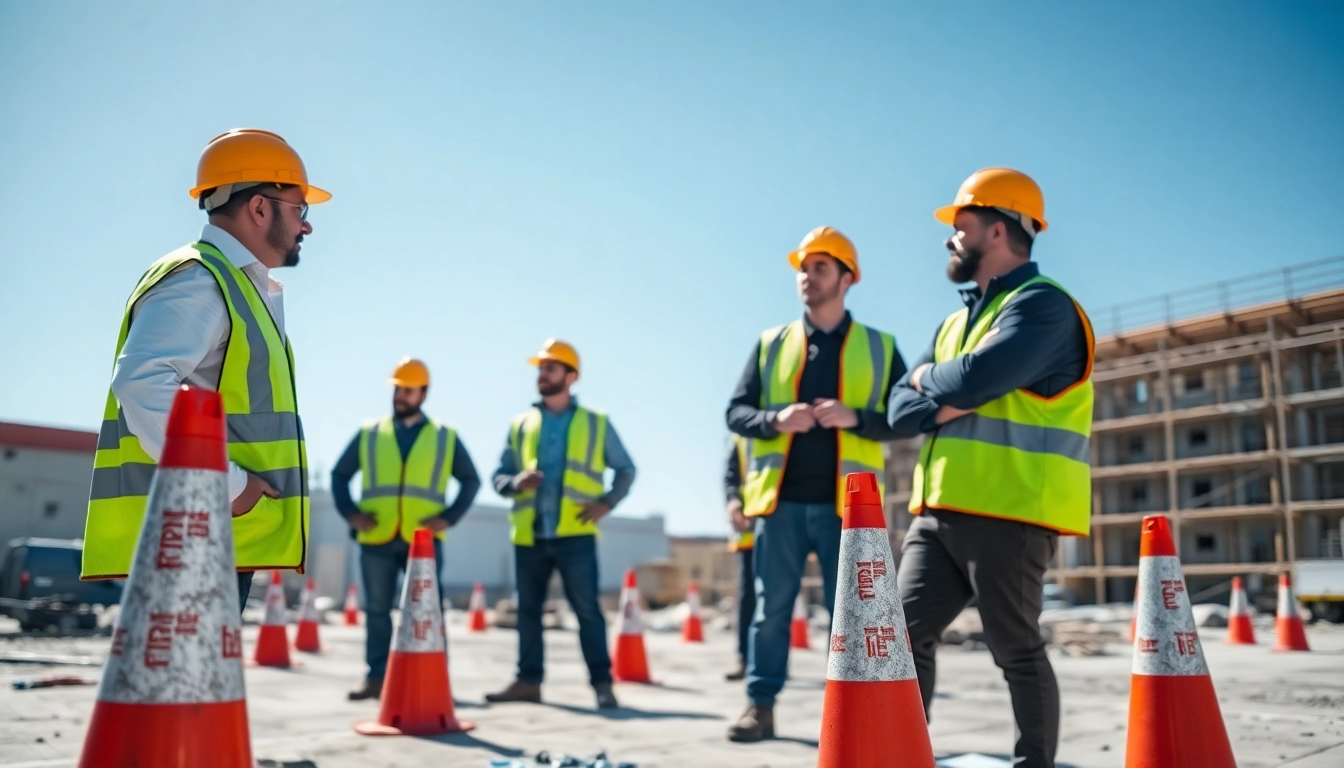
Understanding Construction Site Safety
Construction sites are inherently hazardous places that require rigorous safety protocols to protect workers and prevent accidents. The inherent risks associated with construction work demand a comprehensive understanding of safety practices. Ensuring robust construction site safety not only protects workers but also enhances productivity and maintains project timelines. With a commitment to safety, construction companies can create a safer work environment, reduce the risk of accidents, and ensure compliance with regulations.
The Importance of Construction Site Safety
The importance of safety on construction sites cannot be overstated. Inadequate safety measures can lead to severe injuries or fatalities, resulting in not just emotional trauma for families but also significant financial losses for companies. Furthermore, projects plagued by safety issues often encounter delays, increased costs, and damage to reputation. By prioritizing construction site safety, companies demonstrate their commitment to the well-being of their workforce while also improving their overall operational efficiency.
Main Hazards on Construction Sites
Construction sites present a unique landscape of potential hazards. Among these, the following are particularly prominent:
- Fall Hazards: Falls from heights are one of the leading causes of injuries in construction. Proper guardrails and personal fall arrest systems are essential.
- Electrical Hazards: Workers are often exposed to live wires and faulty equipment. Proper training and use of protective gear can mitigate these risks.
- Struck-by Hazards: Heavy machinery can pose significant risks. Ensuring workers stay within designated zones can help prevent accidents.
- Caught-in/Between Hazards: Workers can become caught in or between machinery and materials. Proper machine guarding and awareness can reduce these incidents.
- Health Hazards: Dust, chemicals, and noise pose long-term risks to workers’ health. Implementing effective ventilation and providing respiratory protection is crucial.
Overview of Safety Regulations
Regulatory bodies, such as the Occupational Safety and Health Administration (OSHA), provide comprehensive guidelines to ensure safety on construction sites. Understanding and adhering to these regulations is vital for compliance and the overall safety of the workforce. Regulations cover various aspects such as proper use of personal protective equipment (PPE), training requirements, and hazard communication standards. Regularly reviewing these regulations helps companies stay compliant and safe.
Key Components of Construction Site Safety Plans
Developing a Comprehensive Safety Plan
A well-developed safety plan is the backbone of any construction site. It should include a detailed analysis of potential hazards, emergency response protocols, and strategies for ongoing safety training. Key elements of a safety plan include:
- Hazard Identification: Conduct thorough site assessments to identify risks.
- Written Procedures: Establish formal procedures for safety protocols.
- Communication: Ensure all employees are informed of safety expectations and procedures.
- Training Programs: Implement ongoing safety education for all personnel.
Identifying Personnel Responsibilities
Clearly defined roles and responsibilities are critical components of a safety plan. Personnel at all levels should understand their specific safety duties. This includes:
- Site Supervisors: Responsible for monitoring safety compliance and ensuring all workers follow safety protocols.
- Safety Officers: Tasked with assessing risks, conducting safety audits, and providing training.
- All Workers: Required to adhere to safety regulations, report hazards, and participate in training.
Essential Safety Training for Workers
Effective safety training is crucial for preventing accidents. Training should be tailored to the specific hazards present on-site and must include:
- General Safety Orientation: An overview of safety practices and protocols.
- Specific Equipment Training: Training on the proper use of machinery and tools.
- Emergency Response Training: Preparing workers for evacuation and response to incidents.
- First Aid and CPR Training: Ensuring personnel can provide immediate assistance in an emergency.
Implementing Effective Safety Measures
Regular Safety Audits and Inspections
Conducting regular safety audits and inspections is essential to maintain high safety standards. These audits help identify weaknesses in existing safety protocols and ensure compliance with regulations. Regular inspections should cover equipment, work procedures, and site conditions. Maintaining detailed records can help track progress and ensure continuous improvement.
Utilizing Personal Protective Equipment
Personal Protective Equipment (PPE) plays a vital role in safeguarding workers against workplace hazards. Companies must ensure that appropriate PPE is provided and that employees are trained in its usage. Essential PPE includes:
- Helmets: Protect against head injuries from falling objects.
- Gloves: Prevent hand injuries from sharp materials.
- Safety Boots: Provide foot protection against heavy machinery and sharp debris.
- Eye Protection: Shield against dust, debris, and hazardous chemicals.
Emergency Response Strategies
Preparing for emergencies is crucial in ensuring effective responses to unforeseen incidents. An emergency response plan should include:
- Evacuation Procedures: Clear instructions on how to safely exit the site during an emergency.
- Emergency Contacts: A list of key contacts for emergencies, including medical facilities and fire departments.
- First-Aid Protocols: Established procedures for providing immediate care until professional help arrives.
- Regular Drills: Conducting routine emergency drills to ensure all personnel are familiar with their roles during an emergency.
Enhancing Safety Culture on Construction Sites
Promoting Safety Awareness among Workers
Creating a culture of safety requires ongoing engagement with workers. Programs that encourage open dialogues about safety issues and the importance of reporting hazards can foster a more proactive safety environment. This can be achieved through:
- Safety Meetings: Regularly scheduled meetings to discuss safety concerns and strategies.
- Safety Campaigns: Initiatives that promote safety awareness through posters, newsletters, and workshops.
- Feedback Mechanisms: Systems to allow workers to voice safety concerns without fear of repercussions.
Leadership’s Role in Safety Culture
Leadership plays a pivotal role in establishing a strong safety culture. Leaders should lead by example and prioritize safety in all aspects of the construction process. Their commitment can be demonstrated through:
- Investing in Safety Training: Providing resources for ongoing safety education.
- Recognizing Safe Practices: Acknowledging and rewarding individuals or teams for their commitment to safety.
- Being Accessible: Encouraging open communication about safety concerns and suggestions.
Incentives for Safe Practices
Implementing incentive programs can motivate workers to prioritize safety. Recognizing and rewarding safe behaviors can lead to a more conscientious workforce. Incentives can include:
- Performance Bonuses: Financial rewards for teams that meet safety goals.
- Recognition Programs: Monthly or quarterly awards for outstanding commitment to safety.
- Safety Challenges: Friendly competitions that promote safety awareness and proactive behaviors.
Measuring the Effectiveness of Construction Site Safety
Key Performance Indicators for Safety
Measuring safety performance is essential to understand the effectiveness of implemented safety measures. Key Performance Indicators (KPIs) can include:
- Incident Rates: Tracking the number and severity of incidents over time.
- Training Completion Rates: Monitoring the percentage of workers who have completed required safety training.
- Inspection Findings: Analyzing the results of regular audits and inspections.
- Worker Feedback: Gathering insights from employees about safety practices and areas for improvement.
Analyzing Incident Reports
Incident reports are valuable tools for improving safety protocols. Analyzing these reports helps identify trends and root causes of accidents. This process should involve:
- Root Cause Analysis: Investigating underlying factors that contributed to an incident.
- Trend Analysis: Examining patterns over time to inform preventative measures.
- Action Planning: Developing targeted strategies to address identified issues.
Continual Improvement Strategies
The landscape of safety in construction is constantly evolving. Applying continual improvement methodologies helps organizations adapt and enhance their safety measures. Strategies can include:
- Regular Review of Safety Protocols: Keeping safety policies updated in line with industry best practices.
- Incorporating Technology: Utilizing safety management software for tracking and reporting incidents.
- Soliciting Worker Input: Engaging workers in discussions to gain insight on safety practices and improvements.
FAQs
What are the most critical safety measures on a construction site?
Critical measures include proper use of personal protective equipment, safety training, and regular inspections to identify hazards.
How often should safety training occur for construction workers?
Safety training should occur regularly, ideally bi-annually, and whenever new equipment or techniques are introduced.
What role do safety audits play in construction site safety?
Safety audits help identify weaknesses in safety procedures and ensure compliance with regulations, promoting a safe work environment.
How can workers report safety hazards on site?
Workers should report hazards immediately to their supervisors, ensuring the information is logged and addressed promptly.
What should be included in an emergency response plan?
An emergency response plan should include evacuation procedures, emergency contacts, and first-aid protocols to manage incidents effectively.