
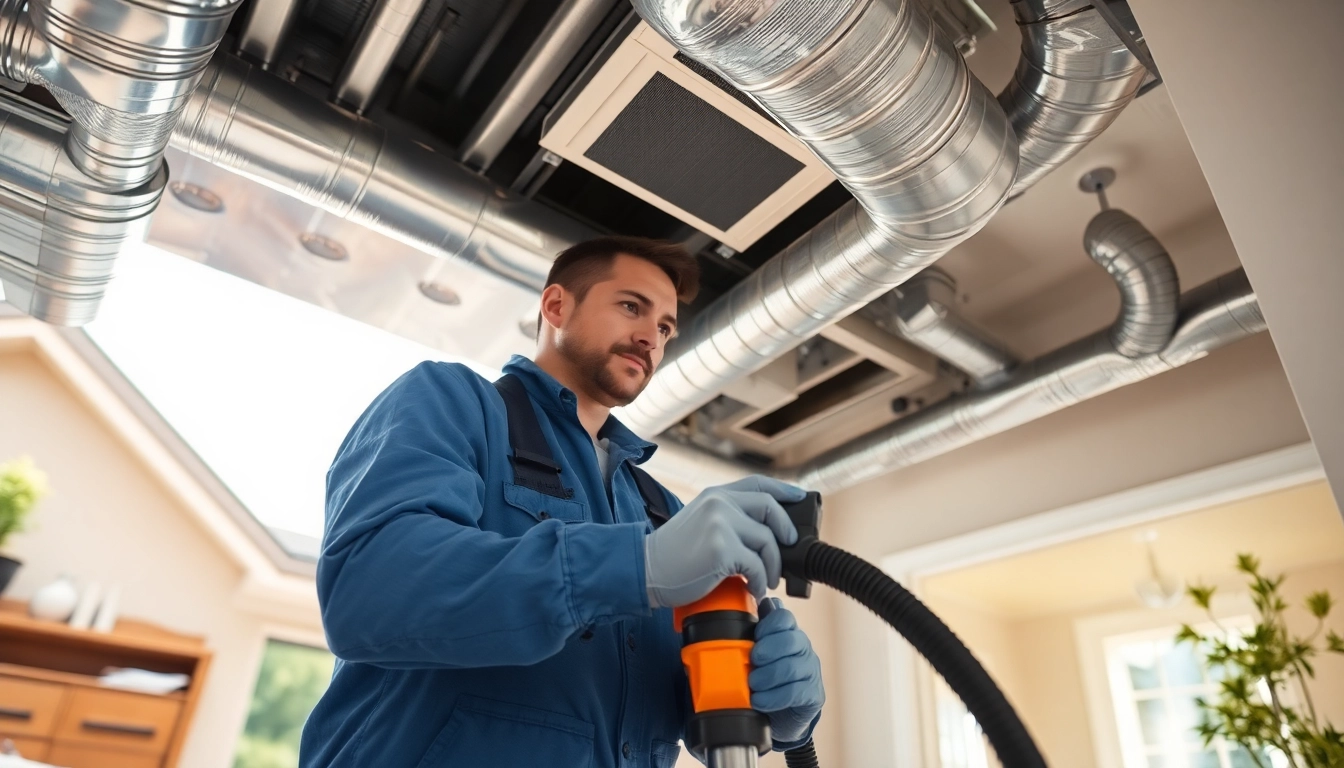
Understanding the Basics of Duct Cleaning and HVAC Inspection
For homeowners, ensuring a healthy and efficient living environment hinges significantly on maintaining their heating, ventilation, and air conditioning (HVAC) systems. Key components of this maintenance are duct cleaning and HVAC inspection. By understanding the importance of these services, homeowners can improve air quality, reduce energy costs, and extend the life of their HVAC systems.
What is Duct Cleaning?
Duct cleaning refers to the thorough removal of dust, debris, and other contaminants that accumulate in your HVAC system’s ductwork. This process generally involves using specialized equipment to dislodge and eliminate particulate matter from the ducts, including allergens, mold, and other harmful substances that can circulate through your home. Regular duct cleaning can significantly enhance indoor air quality by preventing the spread of pollutants throughout your living space.
Importance of HVAC Inspection
HVAC inspections are essential for identifying potential issues before they escalate into significant problems. A comprehensive inspection involves evaluating the entire system—thermostats, ductwork, filters, electrical components, and overall efficiency. Regular inspections help ensure your HVAC system operates safely and efficiently, lower energy bills, and prolong the lifespan of the equipment. Additionally, it can catch minor issues, preventing costly repairs down the line.
How Often Should You Schedule Services?
The frequency of duct cleaning and HVAC inspections depends on several factors, including home size, occupancy, and environmental conditions. Generally, it’s advisable to schedule duct cleaning every 3 to 5 years. HVAC inspections should typically be conducted at least once a year, preferably before the start of the heating or cooling season. Regular scheduling can help maintain optimal performance and comfort in your home.
Signs You Need Duct Cleaning and HVAC Inspection
Recognizing the signs of inefficiencies in your HVAC system is crucial for maintaining comfort and safety in your home. Below are some key indicators that you may need duct cleaning and HVAC inspection services.
Common Symptoms of Air Quality Issues
- Frequent Allergies or Respiratory Issues: An uptick in allergy symptoms, asthma attacks, or other respiratory issues can signify poor air quality due to dirty ducts.
- Visible Dust Accumulation: If surfaces in your home gather dust quickly, your ductwork may be releasing contaminants into your living space.
- Unpleasant Odors: Foul smells from your HVAC system may indicate mold or animal infestations present in the ductwork.
Indicators of HVAC Inefficiency
- Inconsistent Temperatures: A noticeable difference in temperature between rooms may suggest that the HVAC system is struggling to maintain balance due to clogged ducts.
- Increased Energy Bills: A sudden spike in heating or cooling costs can indicate inefficiency in your HVAC system, often linked to debris buildup in the ducts.
- Strange Noises: Unusual sounds like banging, popping, or whistling can hint at problems within the HVAC unit or ductwork.
Health Impacts of Neglected Systems
Over time, neglecting duct cleaning and HVAC inspections can have adverse effects on your health. Exposure to allergens, mold spores, and volatile organic compounds (VOCs) can aggravate existing health conditions, cause chronic respiratory issues, and lead to other serious health concerns, particularly in vulnerable populations such as children, the elderly, and those with preexisting health issues. Regular maintenance is essential not just for comfort but also for health and safety.
The Duct Cleaning Process Explained
Understanding the duct cleaning process can help you navigate expectations and ensure you receive quality service. Here’s a step-by-step overview of what to expect during a professional duct cleaning service.
Step-by-Step Overview of Duct Cleaning
- Initial Inspection: Technicians evaluate your HVAC system and assess the condition of the ductwork.
- Preparation: They prepare the workspace by protecting your home and ensuring safety measures are in place.
- Cleaning: Using specialized tools, technicians dislodge dirt and debris from the ducts, generally employing vacuum machinery to remove contaminants effectively.
- Sanitization: Some services include a sanitizing step to kill any lingering bacteria or mold.
- Final Inspection: After cleaning, technicians will conduct a follow-up inspection to ensure the ducts are thoroughly cleaned.
Tools and Techniques Used
To achieve comprehensive duct cleaning, professionals utilize various tools and techniques, including:
- High-Powered Vacuums: Specialized vacuums help to pull contaminants out of the ductwork effectively.
- Rotary Brushes: These brushes dislodge dust and other materials that have built up within the ducts.
- Air Whips and Blowers: These tools push dirt towards vacuum systems for efficient removal.
Post-Cleaning Recommendations
After duct cleaning, it’s crucial to maintain the cleanliness and efficiency of your HVAC system. Recommendations may include:
- Regularly changing air filters.
- Keeping vents open and unobstructed.
- Scheduling routine inspections and cleanings.
HVAC Inspection: What to Expect
When you schedule an HVAC inspection, knowing what the process entails can remove some anxiety and help ensure you get the full value of your service.
Key Components Inspected
A thorough HVAC inspection typically includes assessing the following components:
- Thermostats: Checking accuracy and functioning.
- Ductwork: Evaluating for leaks, blockages, or signs of wear.
- Filters: Inspecting and suggesting replacements to maintain air quality.
- Electrical Connections: Assessing connections and components for safety.
- Refrigerant Levels: Ensuring appropriate levels and detecting leaks.
Common Issues Found During Inspections
During HVAC inspections, technicians may uncover various issues, including:
- Clogged or dirty filters that impede airflow.
- Leaking ducts that lead to energy loss.
- Electrical issues that pose safety hazards.
- Mechanical wear and tear that can lead to equipment failure.
Benefits of Regular Inspections
Investing in regular HVAC inspections offers numerous benefits:
- Increased energy efficiency, leading to lower utility bills.
- Prolonged life of HVAC equipment.
- Enhanced indoor air quality and improved comfort levels.
- Early detection of issues that can save money on repairs.
FAQs about Duct Cleaning and HVAC Inspection
How long does duct cleaning take?
The duration of duct cleaning varies based on the system’s size and condition but usually takes between 2 to 4 hours.
Is HVAC inspection mandatory?
HVAC inspections are not legally required but are highly recommended for optimal system performance and safety.
What are the costs involved?
The cost for duct cleaning and HVAC inspections can vary widely based on location and service providers, typically ranging from $100 to $500.
Can I clean ducts myself?
While some basic cleaning can be done, professional tools and expertise are essential for thorough and effective duct cleaning.
What are the long-term benefits?
Long-term benefits of regular duct cleaning and HVAC inspection include improved air quality, reduced energy bills, and a longer lifespan for HVAC systems.