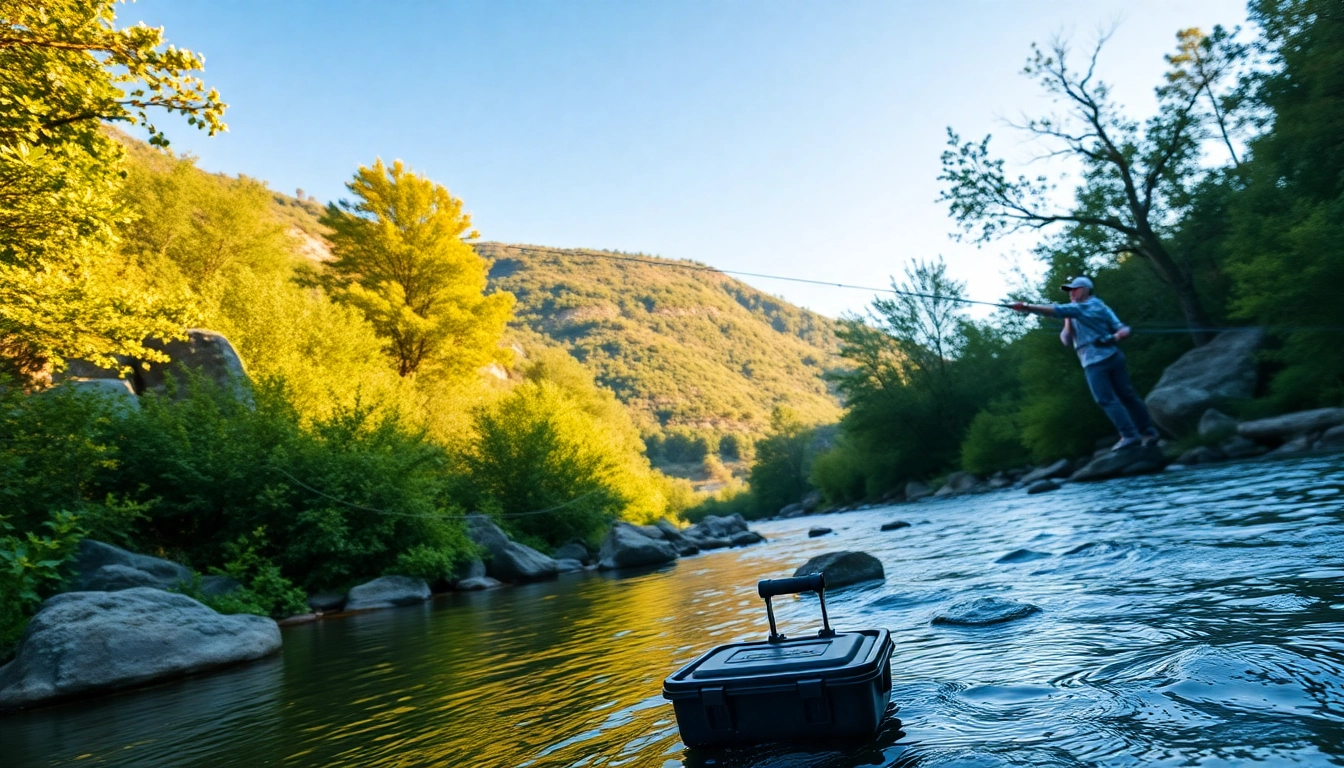
Understanding Fly Fishing Combos
For those entering the world of angling, understanding the tools of the trade is paramount. A fly fishing combo is an essential component for both novices and experienced anglers alike. It combines the key elements of fly fishing gear into a coherent package, simplifying the selection process and making it easier to get started on the water. This article delves into the nuances of fly fishing combos, from their components to benefits, equipping you with the knowledge you need to make informed choices.
What is a Fly Fishing Combo?
A fly fishing combo typically consists of a fly rod, reel, and line, all perfectly matched for optimal performance. These combos are designed to complement each other in terms of specifications like rod length, reel size, and line weight, ensuring that beginners have a streamlined introduction to fly fishing while allowing seasoned fishermen to hone their skills.
Key Components of a Fly Fishing Combo
Understanding the components of a fly fishing combo is crucial for maximizing your fishing experience. Here are the main elements:
- Fly Rod: The rod is typically measured in weight classes ranging from 1 to 12, each designed for different species of fish. A lighter rod (1-4 weight) is suitable for small streams and species like trout, while heavier rods (6-12 weight) are ideal for larger fish such as bass or saltwater species.
- Fly Reel: The reel is where the fly line is stored and retrieves line after casting. Selecting a reel that matches the rod size is vital for balance and control.
- Fly Line: This is the line specifically created for fly fishing, featuring floating, sinking, or intermediate properties to adapt to various water conditions. The weight of the line should match the rod weight to achieve optimal performance.
- Leader and Tippet: These lines connect the fly to the fly line and have varying strengths to match the feeding behavior of different fish.
- Flies: Flies are the lures in fly fishing, crafted to imitate insects or baitfish. They come in a variety of styles and sizes depending on the targeted species.
Benefits of Using a Combo Set
Using a fly fishing combo offers several advantages:
- Simplicity: It takes the guesswork out of matching various components, especially for beginners.
- Cost-Effective: Purchasing a combo often comes at a lower price than assembling the components separately.
- Convenience: Combos are designed to work together, reducing the chance of mishaps that can occur when mismatching gear.
- Well-Matched Performance: A well-balanced combo offers better castability and control.
Selecting Your First Fly Fishing Combo
Choosing your first fly fishing combo can feel overwhelming, but considering a few critical aspects can simplify the decision-making process.
Assessing Skill Level and Intended Use
Your skill level and the specific fishing situations you plan to encounter are critical factors. A beginner might be best served by an all-around rod combo, around 9 feet in length and rated for 5 weight, which is versatile enough for various freshwater applications. As skills develop, a more targeted rod suited for specific situations—like smaller streams or larger bodies of water—can be pursued.
Budgeting for Quality Equipment
Understanding your budget is essential. An entry-level combo can range from $100 to $300, offering quality without breaking the bank. As you progress in your fly fishing journey, investing in higher-quality gear may enhance your performance and enjoyment. Quality should always take precedence over price when possible.
Brands to Consider for Beginners
Several reputable brands specialize in beginner fly fishing gear, ensuring quality and functionality:
- Redington: Known for their durable, easy-to-use combos.
- Orvis: Offers well-regarded outfits that cater to novice anglers.
- Pflueger: Provides reliable reels and rods that won’t drain your wallet.
Advanced Tips for Choosing a Fly Fishing Combo
As you advance in your fly fishing pursuits, fine-tuning your gear becomes increasingly important. Understanding these advanced aspects will elevate your experience significantly.
Matching Rods and Reels for Specific Fish
Different species of fish require specific setups based on their size and habitat. For instance, targeting larger species like pike or tarpon might necessitate heavy-duty rods and reels capable of withstanding greater stresses. On the other end, targeting panfish might only require lighter setups.
Understanding Line Weight and Performance
The weight of your line significantly impacts casting distance and accuracy. Heavier lines allow for easier casting in windy conditions or when using large flies, whereas lighter lines afford delicacy and finesse in presentation, particularly in clear waters.
Customization Options for a Unique Setup
Once you're comfortable with the basics, customization can enhance your setup. Components like specialty reels, advanced fly lines, and high-performance rods can add to your fishing prowess. Brands often provide customizable options such as personalized colors or upgraded materials that can differentiate your gear.
Common Mistakes to Avoid with Fly Fishing Combos
Even seasoned anglers can fall prey to a few common pitfalls when selecting fly fishing combos. Avoiding these mistakes can drastically improve your experience on the water.
Overlooking the Importance of Quality Gear
Investing in inferior gear can hamper performance and lead to frustration. Quality equipment—while initially pricier—tends to last longer and perform better, resulting in a more enjoyable fishing experience.
Neglecting the Learning Curve in Technique
Fly fishing requires a unique casting technique that may take time to master. Rushing into fishing without adequate practice can lead to inefficient and frustrating trips. Practice casting in a controlled environment before heading to the water.
Choosing the Wrong Combo for Conditions
Failing to account for varying conditions can lead to poor success. It's essential to consider factors such as water type (fresh vs. saltwater), species targeted, weather, and habitat to effectively choose your combo. For example, a freshwater fly rod combo is ill-suited for ocean fishing.
Maintaining Your Fly Fishing Combo
Proper maintenance of your fly fishing combo is crucial for longevity and performance. Here are essential care tips.
Cleaning and Storing Equipment Properly
After each fishing trip, clean your equipment thoroughly. Rinse the saltwater from your reel, wipe down your rod to remove dirt, and proper fly storage will ensure longevity. Store your gear in a temperature-controlled environment to prevent warping or damage.
Checking for Wear and Tear Regularly
Inspect your rod and reel for any signs of wear, from frayed lines to cracked rods. Even small fractures can significantly affect performance, so regular checks before outings are essential to ensure everything remains in good working order.
Upgrading Components for Better Performance
Don't hesitate to upgrade components as your skill level evolves. Advancements in technology lead to better-performing reels and lines. Upgrading can significantly enhance casting distance, accuracy, and overall fishing experience without the need for an entire new combo.