
Understanding Leather Treatments
What Are Leather Dressings?
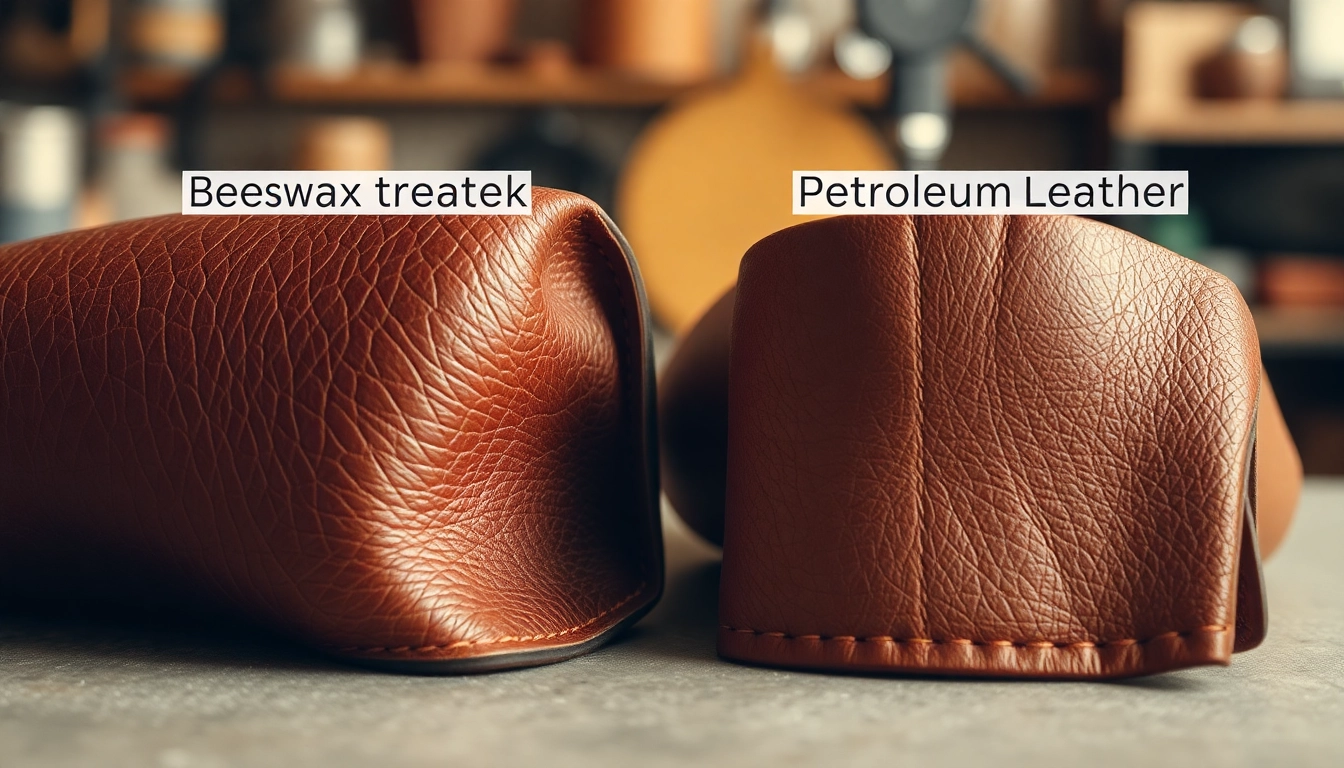
Leather dressings are specialized products formulated to nourish, protect, and preserve various types of leather. These treatments enhance the quality and durability of leather by providing essential moisture, preventing cracking and fading, and maintaining its suppleness. Leather dressings come in various forms, including creams, oils, and waxes, each tailored to specific types of leather and its uses. This comprehensive guide focuses on Beeswax vs. Petroleum-based leather dressings, two prominent categories of leather treatments that offer distinct benefits and challenges.
The Role of Beeswax
Beeswax is a natural substance produced by honeybees and has been used for centuries as a protective agent for various materials, including leather. Its unique properties contribute significantly to leather care:
- Moisture Retention: Beeswax forms a protective barrier that helps to retain moisture within the leather, preventing it from drying out and becoming brittle.
- Water Resistance: The natural hydrophobic characteristics of beeswax repel moisture, making it an excellent choice for outdoor leather goods.
- Flexibility and Softness: Beeswax nourishes the leather fibers, ensuring they remain flexible and soft, which is crucial for items like footwear, gloves, and bags.
- Natural Shield: Beeswax offers a layer that protects against dirt and grime, enhancing the overall appearance of the leather.
The Role of Petroleum-based Dressings
Pertroleum-based dressings are derived from refined crude oil and are commonly used in various leather care products due to their low cost and effective penetrative properties. However, their role in leather care comes with both advantages and disadvantages:
- Penetration: Petroleum dressings often penetrate deep into the leather, providing thorough conditioning.
- Durability: Many petroleum-based products create a long-lasting moisture barrier that can endure harsh conditions.
- Application Ease: These dressings are generally easy to apply, often coming in liquid or cream form that absorbs quickly.
- Chemical Risks: The downside of petroleum-based dressings is the potential for chemical damage to leather and stitching, which can compromise the integrity of the material over time.
Benefits of Beeswax vs. Petroleum-based Leather Dressings
Natural Properties of Beeswax
One of the standout advantages of beeswax is its natural composition. As a biogenic substance, beeswax is rich in healing compounds, esters, and vitamin A, which contribute to leather health:
- Non-toxic: Being a natural product, beeswax does not introduce harmful chemicals to leather, making it safer for both users and the environment.
- Sustainable: Beeswax is a renewable resource, sourced from bee farms, allowing for an eco-friendly approach to leather care.
- Repairing Qualities: The nourishing properties of beeswax can help repair minor damages in leather, prolonging the item’s lifespan.
Effects of Petroleum on Leather
While petroleum products provide some benefits like penetration and convenience, they can also have adverse effects on leather:
- Degradation of Material: The chemicals in petroleum can gradually degrade the fibers of the leather, leading to weakened integrity.
- Stiffness Issue: Over time, petroleum-based treatments may lead to leather stiffening, restricting its natural flexibility.
- Breathing Ability: They can create a barrier that prevents leather from breathing, potentially leading to moisture buildup and mold growth inside the leather.
Environmental Considerations
In today’s world, environmental impact is a significant factor for consumers. Beeswax stands out as a more sustainable option compared to petroleum-based dressings:
- Eco-friendly: Beeswax is biodegradable and leaves a minimal carbon footprint.
- Resource Conservation: Opting for beeswax helps in sustaining bee populations, which are crucial for our ecosystem.
- Non-harmful: Beeswax does not contribute to pollution or introduce harmful end products into the environment.
Application Techniques
Applying Beeswax Properly
To achieve the best results with beeswax leather dressings, proper application techniques are crucial:
- Preparation: Ensure that the leather is clean and dry. Use a damp cloth to remove any dirt or grime.
- Heating: Gently warm the beeswax to make it easier to spread. Do not overheat; a warm structure renders better application.
- Application: Apply the beeswax using a soft cloth or sponge. Work in small sections to ensure even coverage and always rub along the grain.
- Curing: Allow the treatment to sit for several hours or overnight before buffing, to ensure optimal absorption and protection.
Using Petroleum-based Dressings
For effective use of petroleum-based dressings, follow these steps:
- Surface Preparation: As with beeswax, start with clean and dry leather.
- Application: Squeeze a small amount of the dressing onto a cloth and spread it evenly across the leather surface. Use circular motions for even distribution.
- Absorption Time: Let the dressing absorb into the leather for about 30 minutes before buffing with a dry cloth.
Common Mistakes to Avoid
When caring for leather, it’s essential to be aware of common pitfalls:
- Over-Application: Using too much beeswax or petroleum-based dressing can lead to a sticky residue or stiffness.
- Ignoring Test Patches: Always perform a patch test before applying a treatment to the entire surface to prevent discoloration or unwanted reactions.
- Neglecting Regular Maintenance: Skipping regular treatments can lead to premature leather damage and degradation.
Longevity and Care
How Long Does Each Last?
The longevity of leather treatments can vary based on usage, environment, and maintenance:
- Beeswax: Typically, a beeswax treatment lasts between 4 to 6 months, depending on exposure to moisture and wear.
- Petroleum-based Dressings: These can last longer, often needing reapplication every 6 to 12 months, but may require more frequent application in harsher conditions.
Maintenance of Treated Leather
Regular maintenance is key to ensuring the durability of treated leather:
- Cleaning: Use a soft brush or cloth to remove dirt. Avoid harsh detergents that may strip away protective layers.
- Inspection: Regularly inspect leather items for signs of wear or damage to address issues early.
- Reapplication: Establish a treatment schedule based on environmental and usage factors.
Signs Your Leather Needs Treatment
Recognizing when your leather needs additional care can prevent long-term damage. Look for:
- Dryness: If the leather feels dry or looks dull, it’s time for conditioning.
- Cracking: Visible cracks or creases suggest that the leather is losing moisture.
- Uneven Color: Fading or discoloration can indicate that protective treatments have worn off.
FAQs About Beeswax vs. Petroleum-based Leather Dressings
How often should I treat leather with beeswax?
It’s recommended to treat leather with beeswax every 4-6 months, depending on usage and exposure to moisture.
Can petroleum-based dressings damage stitching?
Yes, petroleum products can degrade stitching over time due to their chemical makeup, potentially compromising leather integrity.
Is beeswax waterproof?
Beeswax provides some water resistance, but it’s not completely waterproof; it helps repel water while allowing some breathability.
Which is better for outdoor leather?
Beeswax is generally better for outdoor leather as it offers moisture retention and protects against elements more effectively.
Are there any side effects of using these dressings?
Over-application of petroleum can stiffen leather, while beeswax can get sticky if not applied correctly; moderation is key.