Introduction to Dubai City Guide
Dubai, a dazzling gem of the Middle East, captivates visitors with its blend of tradition and modernity. As one of the fastest-growing cities in the world, Dubai has established itself as a global metropolis filled with innovation, luxury, and a unique cultural mosaic. This Dubai City Guide aims to provide valuable insights for both travelers and locals alike, unveiling the city's geographic highlights, climate nuances, cultural depth, and notable tourist attractions.
Geography and Climate
Located on the southeastern coast of the Arabian Peninsula, Dubai is bordered by the Persian Gulf and features an intricate coastal landscape marked by beaches and man-made islands. The city is embraced by the majestic Hajar Mountains to the east. Covering an area of approximately 4,114 square kilometers, Dubai’s urban design showcases a mix of sprawling developments along with natural sandy deserts.
The climate in Dubai is classified as a desert climate, characterized by sweltering summers and mild winters. During the summer months from June to September, temperatures often soar above 40°C (104°F). Conversely, winter, from December to February, offers pleasant weather with daytime temperatures around 24-26°C (75-79°F). Rainfall is infrequent, with most precipitation occurring in the cooler months.
Cultural Overview
Dubai’s culture is a rich tapestry of tradition and modernity, deeply rooted in Islamic heritage yet largely cosmopolitan due to the diverse expatriate population. Arabic is the official language, but English is widely spoken, especially in business and tourism sectors. The city celebrates its historical past alongside contemporary achievements, epitomized by the plethora of museums, art galleries, and traditional markets (souks).
Visitors can witness a harmonious blend of Islamic practices and liberal attitudes. Events like the Dubai Shopping Festival and Emirates Festival of Literature showcase the city’s commitment to arts and education, reflecting its ambition to be a cultural hub in the region.
Tourist Attractions
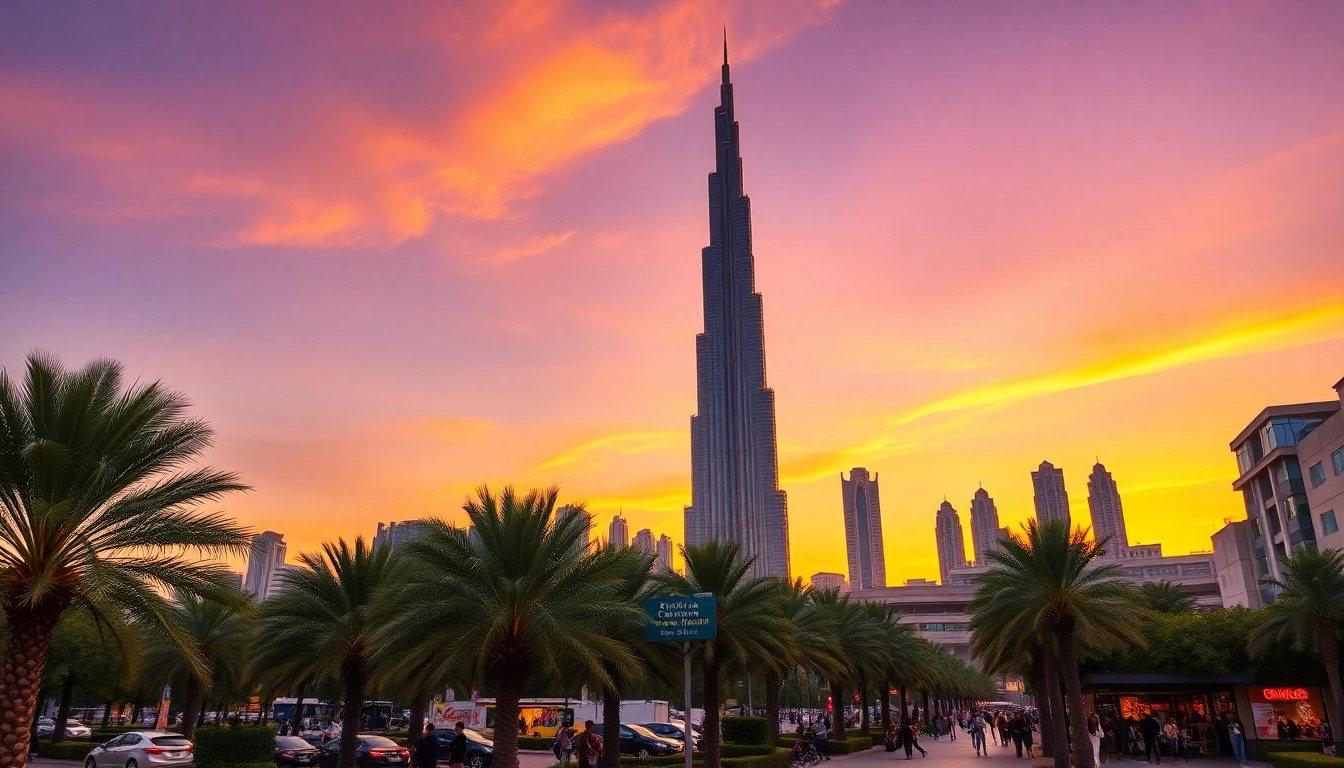
Dubai is replete with attractions that cater to a range of interests. The Burj Khalifa, standing as the world’s tallest building, offers breathtaking views from its observation decks. The Dubai Mall, adjacent to the Burj, is not just a shopping paradise but also houses an aquarium, indoor ice rink, and concert hall. Other notable attractions include the Palm Jumeirah, the historic Dubai Creek, and the global village, which presents a fusion of various cultures through food and entertainment.
The Dubai Desert Conservation Reserve invites adventure seekers to explore the desert's pristine environment, offering activities like dune bashing and camel riding. Meanwhile, visitors can experience the unique blend of the old and new at the Al Fahidi Historical Neighborhood, with its winding alleyways and traditional wind towers.
Essential Information for Visitors
Visa Requirements
Visiting Dubai requires an understanding of various visa regulations based on nationality. Most tourists can obtain a visa on arrival, which allows stays ranging from 30 to 90 days. Citizens from certain countries are exempt from visa requirements entirely. It’s important for travelers to verify their eligibility and prepare necessary documentation beforehand to ensure smooth entry into the UAE.
Transportation Options
Dubai offers a modern transportation infrastructure that eases travel within the city. The Dubai Metro is a driverless train system connecting major districts and tourist attractions efficiently. Taxis are readily available, and ride-hailing services like Uber provide convenient alternatives. For those preferring to explore at their own pace, car rentals are widely accessible, although guests should familiarize themselves with local driving regulations.
Accommodation Choices
Accommodation in Dubai ranges from opulent hotels to budget-friendly options, catering to diverse traveler needs. Luxury hotels like the Burj Al Arab and Armani Hotel promise lavish stays, while mid-range hotels such as Holiday Inn offer comfortable and affordable catering. Additionally, vacation rentals and serviced apartments provide flexible accommodation choices for extended stays or families traveling together.
Local Cuisine and Dining Experience
Must-Try Dishes
The culinary scene in Dubai is reflective of its international populace but also celebrates Middle Eastern flavors. Visitors should not miss traditional dishes such as Shawarma, a flavorful wrap filled with marinated meats; Hummus, a creamy chickpea dip; and Kebabs, grilled to perfection. Sweets like Baklava and Kunafa are must-try desserts that offer a sweet finale to any meal.
Top Restaurants
Dubai boasts an impressive array of dining options, with restaurants led by world-renowned chefs. For upscale dining, establishments such as Nobu at Atlantis and Zuma provide a fusion of Asian influences and chic ambiance. On the down-to-earth side, eateries like Ravi Restaurant serve authentic Pakistani cuisine that resonates with locals and tourists alike. The Global Village also features stalls offering international cuisine to cater to diverse taste buds.
Cultural Dining Etiquette
Adhering to the local dining etiquette can enhance the experience. It is customary to wait for the host to start the meal, and using the right hand for eating is a traditional practice. Alcohol consumption is restricted in public areas, and readers should know that many restaurants have specific practices that honor Islamic customs during the holy month of Ramadan when fasting is observed during daylight hours.
Shopping and Entertainment
Popular Shopping Destinations
Shopping in Dubai is an experience unlike any other, with venues ranging from luxurious malls to traditional souks. The Dubai Mall stands out as one of the world's largest shopping centers, housing over 1,200 retail outlets. The Gold Souk in Deira provides an authentic shopping experience for those seeking unique jewelry pieces at competitive prices. Other shopping areas of note include the Mall of the Emirates and Souk Madinat Jumeirah, each offering a variety of high-end and boutique shops.
Entertainment Venues
Entertainment in Dubai is as diverse as its population. For thrill-seekers, parks such as Aquaventure Waterpark and IMG Worlds of Adventure provide ample opportunities for family fun. For arts and cultural enthusiasts, La Perle by Dragone offers a splendid theatrical experience combining acrobatics and impressive stagecraft. The Dubai Opera, situated in Downtown Dubai, frequently hosts world-class performances, from concerts to ballet.
Cultural Events and Festivals
Dubai's calendar is brimming with cultural events that celebrate its diversity. The Dubai Shopping Festival, held annually, invites residents and tourists to enjoy shopping discounts, fireworks, and entertainment. Other noteworthy events include the Dubai International Film Festival and Art Dubai, which fosters a platform for artists and filmmakers to showcase their talent and creativity.
Safety and Health Tips
Staying Safe in Dubai
Dubai is renowned for its safety and low crime rates, making it a family-friendly destination. While incidents of petty crime do occur, it is advisable for visitors to be aware of their surroundings, especially in crowded areas. Avoiding excessive displays of wealth and keeping belongings secure can further ensure safety during one’s stay.
Health Services and Facilities
Health facilities in Dubai are of a high standard, with numerous public and private hospitals equipped with the latest medical technology. Travelers should consider obtaining health insurance prior to visiting, which covers medical expenses for emergencies. Pharmacies are widely available and provide over-the-counter medications as well as prescriptions.
Emergency Contacts
Understanding emergency contacts is vital for safety in Dubai. The police can be reached at 999, while the ambulance service can be contacted via 998. Additionally, Dubai has various helplines and support services for those in need, including hotel personnel who can assist travelers in emergencies.
FAQs
What is the best time to visit Dubai?
The best time to visit Dubai is from November to March when the weather is pleasantly cool, making it ideal for outdoor activities and sightseeing.
Is alcohol permitted in Dubai?
Alcohol is permissible in licensed venues such as hotels and restaurants. However, public consumption is prohibited, and visitors should adhere to local regulations.
Are there any dress codes in Dubai?
While Dubai is relatively liberal, it is advisable to dress modestly, especially in public areas; swimwear should be limited to beaches and pools.
Can I use credit cards in Dubai?
Yes, major credit cards are widely accepted in hotels, restaurants, and shops. However, it's beneficial to carry some cash for small purchases and in markets.
What languages are commonly spoken in Dubai?
Arabic is the official language, but English is widely spoken, especially in business and tourism, making communication easy for visitors.