Understanding Kora Live Music Events
The Kora is a mesmerizing string instrument with deep roots in West African culture, often regarded as a traditional centerpiece in music. It helps bridge generational gaps and maintains the storytelling traditions of the region. For enthusiasts and curious listeners alike, kora live events serve as portals to a rich legacy, merging entertainment with cultural education. This article delves into the nuances of Kora live performances and their broader cultural significance.
The Significance of Kora in Music History
The Kora has been an integral part of the Mande peoples' cultural heritage for centuries. Originating in the ancient empires of Mali, it was played primarily by griots, or oral historians, who preserved the history and narratives of their communities through music. Each Kora carries its unique voice, made from a large gourd resonator covered with cow skin and featuring up to 21 strings, allowing for a wide range of melodies and rhythms. The instrument not only embodies the music of the past but continues to influence modern musicians globally, highlighting its significance in both historical and contemporary contexts.
What to Expect at Kora Live Events
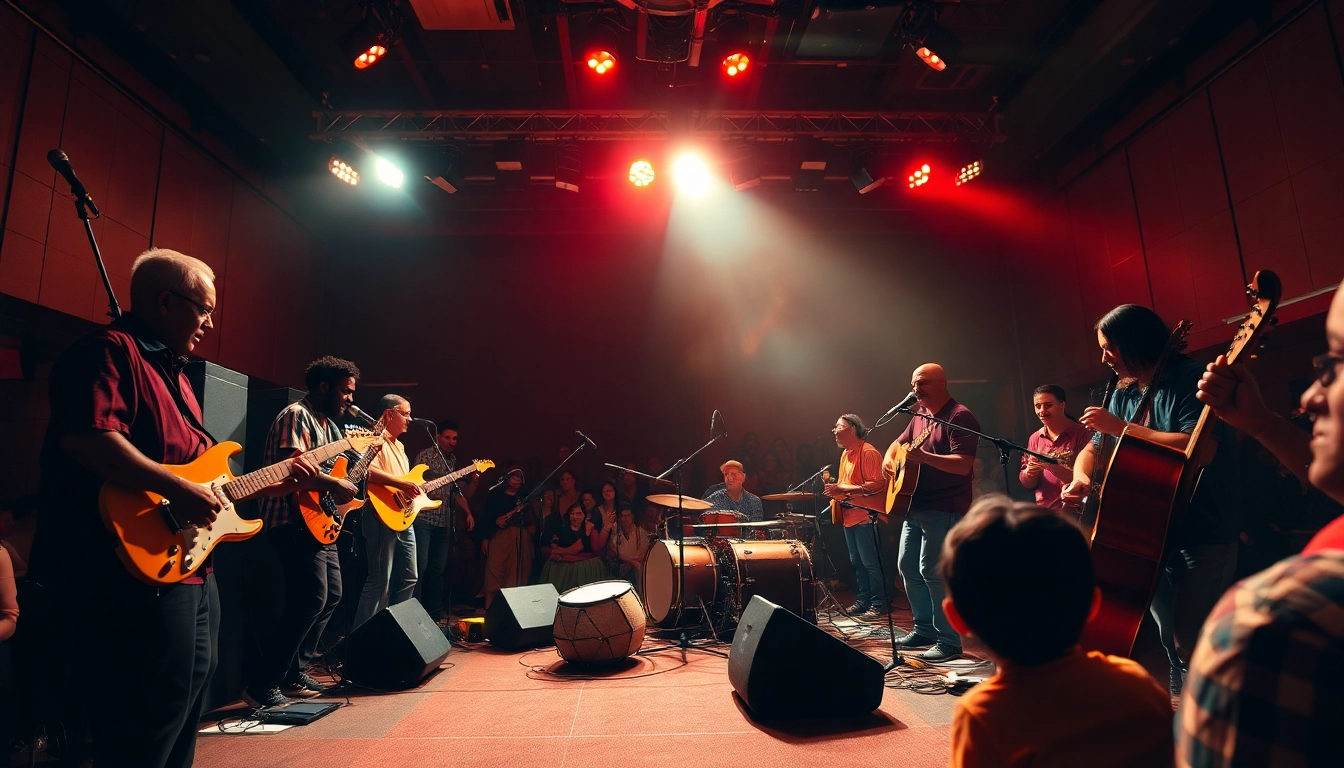
Kora live performances promise an engaging sensory experience. Attendees can expect to encounter passionate musicians playing intricate melodies while often accompanied by traditional songs and storytelling. The atmosphere at these events is often vibrant, with audiences encouraged to participate through clapping, singing, or dancing. Expect to see the Kora masterfully played in a variety of settings, from intimate gatherings in small venues to larger festivals where it shares the stage with other musical traditions. Each performance tells a story, not just through lyrics but through the emotive power of the Kora's sound.
Common Misconceptions About Kora Live Performances
Despite the growing popularity of Kora music, several misconceptions linger about these performances. One of the most prevalent is that Kora music is solely for specific cultural groups, whereas it is a universal form of artistic expression that transcends cultural boundaries. Another misconception is that Kora players must strictly adhere to traditional styles, when in fact, many musicians blend modern elements, creating innovative new genres. Understanding these nuances can deepen appreciation for Kora live events.
The Cultural Impact of Kora Live Music
The impact of Kora music extends beyond mere entertainment; it plays a pivotal role in cultural identity and the preservation of heritage. Live events offer a platform for artists to express their heritage while connecting diverse audiences through music.
How Kora Influences Contemporary Music
In recent years, the Kora has made a significant imprint on contemporary music genres, inspiring musicians across various styles, including jazz, pop, and world music. Artists like Salif Keita and Toumani Diabaté have integrated Kora into their material, blending its sounds with modern instrumentation and influences. This fusion not only enriches the musical landscape but also elevates traditional Kora music to a global audience. Emerging artists are also incorporating Kora into their tracks, leading to a trending resurgence of interest and appreciation for this ancient instrument.
Kora Live Performances as a Community Experience
Kora live performances foster a sense of community that is rarely replicated in other music genres. Attending these events allows people from various backgrounds to come together, share in cultural experiences, and create a vibrant atmosphere of unity. Often, these events capture the essence of storytelling, which reinforces the communal aspect of the Kora and its importance in preserving history. The engaging environment at live performances facilitates conversations and connections among attendees, promoting a shared appreciation for the music and the cultural roots behind it.
Spotlighting Cultural Diversity in Kora Music
The Kora is a symbol of the rich cultural tapestry of West Africa, and its music reflects the diversity of the region. Various styles and dialects from countries such as Mali, Senegal, The Gambia, and Guinea influence the way Koraists interpret their music. Live performances often showcase this diversity, where each musician brings their unique voice and perspective, contributing to a broader understanding of African cultures. These events serve as critical platforms for cultural exchange, presenting a musical landscape that resonates with attendees from all walks of life.
Preparing for a Kora Live Performance
Attending a Kora live event can be an incredibly rewarding experience, but preparation is key to making the most out of it. Ensuring you know what to expect and how to engage with the environment can significantly enhance your enjoyment.
Choosing the Right Venue for Kora Events
Selecting the right venue plays a crucial role in the overall experience of a Kora live performance. Smaller venues, such as local theaters or cultural centers, often provide intimate settings that enhance the personal connection between the performer and audience. Larger festivals can offer broader exposure to the Kora genre but may dilute the intimacy found in smaller settings. When choosing a venue, consider aspects like acoustics, audience capacity, and the ambiance it creates, as these factors will determine how you experience the music.
Essential Tips for Attendees
To enhance your experience at a Kora live performance, here are some essential tips:
- Arrive Early: Getting to the venue early allows you to find a good seat and soak in the atmosphere before the performance begins.
- Engage with the Performers: If the opportunity arises, don't hesitate to speak with the musicians before or after the show. Many Kora artists enjoy connecting with their audience.
- Participate Actively: Feel free to clap, dance, and be part of the experience. Kora music is about community engagement and shared enjoyment.
What to Bring to a Kora Live Show
Preparing for a Kora live show goes beyond just being ready to enjoy the music. Here’s what you should consider bringing:
- Comfortable Seating: If the event is at an outdoor festival or venue with limited seating, consider bringing a foldable chair or blanket.
- Refreshments: Having hydration and snacks can make a long event more enjoyable, but be sure to check the venue’s policies on food and drink.
- A Camera or Smartphone: Capture memories but be respectful of the artists' policies about photography and video recording.
Engaging with Kora Artists
Connecting with Kora artists can provide deep insights into their craft and the culture they represent. Engagement can foster appreciation and support for the art form.
Opportunities for Interaction at Kora Live Events
Many Kora live events feature meet-and-greet opportunities with the performers, which can be an enriching experience. Such interactions can provide valuable insights into the musicians' inspirations, backgrounds, and creative processes. Speaking directly with artists can enhance your understanding and appreciation of their music, blending entertainment with education.
Supporting Kora Artisans and Musicians
Supporting Kora musicians and artisans doesn't just end with attending performances. Consider purchasing their music or merchandise, such as CDs, vinyl, or handmade instruments. These purchases help sustain their livelihoods and contribute towards the preservation of this cultural art form. Additionally, advocating for their work within your community can help broaden the audience for Kora music, ensuring its continuation and evolution.
Building a Network within the Kora Community
Engaging with the Kora community offers pathways for deeper involvement, allowing enthusiasts to connect with others who share their passion. Joining local music groups, forums, or social media platforms centered around Kora music can lead to opportunities to collaborate on projects, learn from others, or even take part in workshops. Building a supportive network not only enhances personal understanding but also contributes to the overall growth and visibility of Kora music.
Promoting Kora Live Music
The success of Kora live events is heavily influenced by effective promotion strategies that reach diverse audiences and communicate the beauty of the art form.
Effective Marketing Strategies for Kora Events
Creating awareness about Kora live events involves several marketing strategies. Building compelling narratives around the performances can pique interest. Be it through storytelling ads or audio-visual content, marketing materials should reflect the authenticity of Kora music. Collaborating with local cultural organizations or influencers who resonate with the art form can also extend reach, helping to draw in new audiences.
Leveraging Social Media for Kora Event Promotion
Social media platforms provide extraordinary avenues for promoting Kora live music events. Visual content, including videos of past performances, musician interviews, and behind-the-scenes footage, can captivate potential attendees. Platforms like Instagram and Facebook are particularly effective for engaging stories and event announcements. Engaging with audience comments and shares can further widen the reach and inclusivity of the promotion.
Monitoring Success: Metrics to Evaluate Kora Live Events
To ensure that Kora live events continue to grow and connect with audiences, it's vital to measure their success. Key metrics include attendance numbers, audience engagement, and feedback collected after events. Tools such as surveys or social media analytics can provide insights into what worked and what could improve future performances. Evaluating these factors helps tailor future events to better meet audience expectations and enhance the impact of Kora music.