
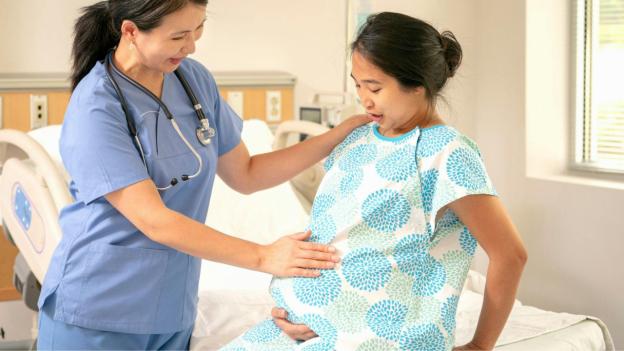
Pregnancy is a significant journey that requires consistent medical guidance from the early stages through childbirth and recovery. Labour and delivery are important stages where timely monitoring, experienced obstetric care, suitable birthing support, and newborn services can contribute to a well-managed experience.
A hospital providing hospital delivery services needs to support different pregnancy situations, including normal birth, Cesarean delivery, painless labour, high-risk pregnancies, and care after childbirth. Understanding how labour and delivery care works can help expectant parents prepare for this important stage with greater awareness.
What Does Labour and Delivery Care Include?
Labour and delivery care covers the medical support provided before, during, and immediately after childbirth. It begins with pregnancy preparation and monitoring and continues through labour, delivery, newborn care, breastfeeding support, and postnatal care.
A structured maternity programme can include antenatal care, fetal medicine and ultrasonography, childbirth preparation, labour and delivery, newborn care, breastfeeding support, and nutrition. This approach allows pregnancy care to remain connected across different stages rather than treating childbirth as an isolated event.
Preparing for Labour During Pregnancy
Preparation for childbirth begins well before labour starts. Pregnancy care includes regular guidance, monitoring, and consultations with obstetricians and gynecologists. During this period, doctors can assess the pregnancy and provide guidance relevant to the mother and baby.
Preconception counselling and prenatal care are also part of the maternity services described by the hospital. Childbirth preparation and natural birthing support can help expectant mothers understand the labour process and prepare for the delivery experience. Fetal medicine and ultrasound services provide additional support for monitoring fetal development during pregnancy.
Understanding the Stages of Labour
Labour progresses through different stages. The first stage involves effacement and dilation of the cervix. It includes early labour, active labour, and transition. As labour progresses, contractions become stronger and more frequent.
The second stage involves the birth of the baby, while the third stage involves delivery of the placenta. Understanding these stages allows expectant mothers to recognize the progression of labour and follow the guidance of their medical team.
The labour and delivery team remains involved throughout this process, providing appropriate clinical guidance and monitoring according to the mother's condition and the progress of labour.
Supporting Normal Vaginal Delivery
Normal vaginal delivery is one of the delivery options supported through maternity services. Care during labour includes monitoring maternal vital signs, fetal wellbeing, and the progress of delivery.
Natural birthing practices and pain-relief options may also be considered according to the mother's preferences and medical circumstances. The delivery team provides guidance throughout labour while maintaining attention to the health of both mother and baby.
The goal is not simply to focus on the method of birth but to ensure that the chosen approach is medically appropriate for the individual pregnancy.
When Cesarean Delivery May Be Considered
Cesarean delivery is another mode of childbirth included within maternity and obstetric care. The appropriate delivery method depends on the individual pregnancy and clinical circumstances.
Doctors assess the mother and baby before determining the suitable approach. The hospital's maternity services include both normal delivery and C-section, allowing the delivery plan to be based on medical requirements rather than following one method for every pregnancy.
Managing High-Risk Pregnancies
Some pregnancies require additional monitoring and specialist support. High-risk pregnancy management is an important part of the maternity services provided by the maternity care hospital.
Factors that may contribute to pregnancy risks include age, previous medical history, multiple pregnancies, certain genetic conditions, and other circumstances. Specialist teams can provide closer monitoring and individualized care to help manage potential risks during pregnancy and labour.
Advanced facilities and dedicated specialists are particularly relevant when pregnancy requires continuous attention or when complications may arise during childbirth.
Pain Management During Labour
Labour pain management can form an important part of childbirth planning. Painless delivery services use medical and non-medical approaches intended to reduce labour pain while allowing the mother to remain awake and participate in childbirth.
According to the hospital's information, pain management options can include epidural anesthesia, medical pain relief, breathing exercises, relaxation techniques, and emotional support. The suitability of these options depends on medical assessment and individual circumstances.
Importantly, pain relief does not automatically mean that vaginal delivery cannot take place. The care team can consider pain management while continuing to support normal vaginal delivery when it is medically safe.
The Role of Specialists During Childbirth
Experienced obstetricians, gynecologists, nurses, and other specialists have an important role throughout pregnancy and delivery. A gynecology specialist can contribute to women's healthcare, while obstetricians focus on pregnancy and childbirth.
The hospital's maternity services bring together doctors, nurses, and surgeons to provide guidance and care throughout the pregnancy journey. Its gynecology services also cover areas such as high-risk pregnancies, painless delivery, childbirth preparation, postnatal care, laparoscopic procedures, and emergency services.
Monitoring Mother and Baby During Labour
Continuous attention during labour is essential because the condition of the mother and baby can change as labour progresses. Modern labour rooms can support monitoring of fetal wellbeing, maternal vital signs, and delivery progress.
The availability of facilities designed for routine births and complications provides an important part of maternity care. This allows the medical team to respond according to the clinical situation while maintaining focus on maternal and fetal wellbeing.
Care After Childbirth
Delivery care does not end when the baby is born. Postnatal support is another important part of the maternity journey. After childbirth, mothers may receive support for recovery and breastfeeding initiation.
Newborn care is also included within the broader pregnancy and maternity pathway. Breastfeeding support and lactation guidance can help mothers begin feeding and receive appropriate assistance during the early postpartum period.
Conclusion
Understanding labour and delivery care helps expectant parents prepare for childbirth with appropriate medical guidance and support. Comprehensive hospital delivery services can bring together prenatal monitoring, labour management, delivery options, newborn care, breastfeeding assistance, and postnatal support, helping mothers receive coordinated care throughout pregnancy and childbirth while addressing individual medical needs.
With a comprehensive approach to women and children’s healthcare, Ankura Hospitals provides maternity, obstetric, gynecology, fertility, neonatal, and pediatric services. Its maternity care includes normal delivery, C-section, painless delivery, VBAC, high-risk pregnancy management, prenatal care, fetal medicine, childbirth preparation, postnatal care, and lactation support. The hospital also provides newborn care and specialist-led services designed to support mothers and children across different stages of healthcare.