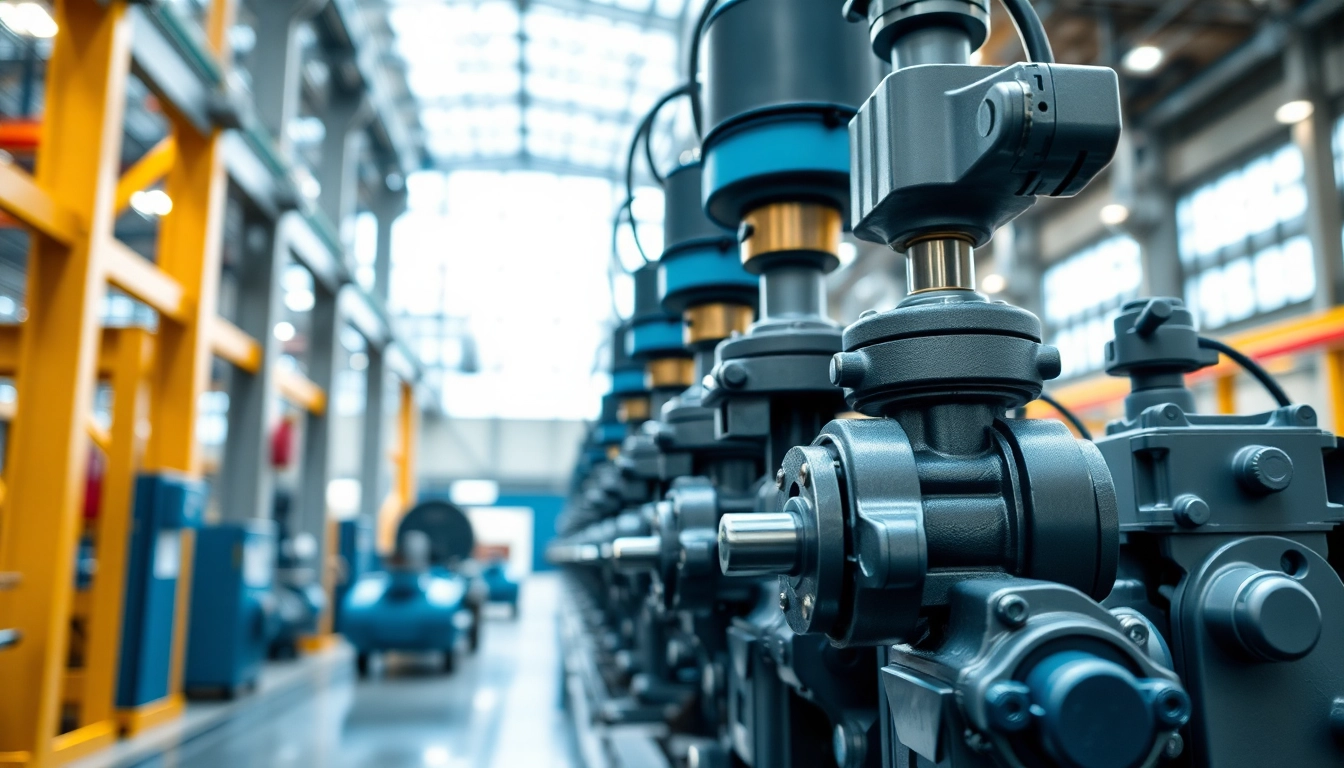
Introduction to Fluid Power Systems
Fluid power systems play a crucial role in modern technology, enabling powerful machinery and equipment to operate efficiently across diverse applications. These systems utilize pressurized fluids to generate force and motion, functioning seamlessly in various scenarios, from industrial manufacturing to agricultural equipment. In essence, they are the backbone of numerous sectors, providing effective solutions for energy transmission and motion control. Understanding the intricacies involved in fluid power systems is vital for optimizing performance in these applications.
Defining Fluid Power Systems
Fluid power systems encompass both hydraulic and pneumatic systems that employ liquids and gases, respectively, to transmit energy. Hydraulic systems use incompressible liquids—typically oil—to control large forces with precision, while pneumatic systems utilize compressed air to generate motion and operate machinery. The versatility of these systems has led to their widespread adoption across various industries, featuring applications ranging from construction machinery to automated assembly lines.
Applications in Various Industries
Fluid power systems are integral to multiple sectors. In the construction industry, hydraulic systems power excavators, bulldozers, and cranes, facilitating heavy lifting and digging tasks. In manufacturing, pneumatic systems are often found in robotic arms and conveyor belts, ensuring precision and efficiency. The automotive sector relies on these systems not only in manufacturing but also in braking and suspension systems, highlighting their critical role in safety and performance. Additionally, fluid power systems find applications in agriculture through tractors and other equipment that streamline farming processes.
Advantages of Using Fluid Power Systems
The incorporation of fluid power systems brings several advantages, including:
- High Power-to-Weight Ratio: Fluid power systems can generate substantial force without requiring bulky components.
- Precision Control: Their design allows for precise speed and force control, making them ideal for delicate operations.
- Long Range Transmission: Fluid power enables the transmission of energy over considerable distances, making it suitable for various setups.
- Durability: With fewer mechanical parts, fluid power systems tend to require less maintenance and have longer operational lifespans.
Types of Fluid Power Systems
Hydraulic Systems Overview
Hydraulic systems operate by utilizing pressurized hydraulic fluid, commonly oil, to transmit power. They consist of various components, including pumps, valves, cylinders, and reservoirs. The operational principle of hydraulic systems revolves around Pascal's law, which states that pressure applied to a confined fluid is transmitted undiminished in all directions. This characteristic allows hydraulic systems to generate significant force, making them ideal for heavy machinery and equipment.
Pneumatic Systems Explained
Pneumatic systems, in contrast, rely on compressed air or gas to create motion. These systems typically include air compressors, pneumatic cylinders, valves, and actuators. Pneumatics are renowned for their rapid motion capabilities and ease of installation. They are frequently utilized in applications like packaging, assembly lines, and various tools such as drills and impact wrenches. Although pneumatic systems are often less powerful than hydraulic systems, their lightweight nature and fast response times make them valuable in specific contexts.
Comparison Between Hydraulic and Pneumatic Systems
While both hydraulic and pneumatic systems serve to transmit power, they have distinct characteristics that make them suitable for different scenarios:
FeatureHydraulic SystemsPneumatic SystemsMedium UsedLiquid (usually oil)Gas (usually air)Force GenerationHigh force generationModerate force generationSpeedSlower response timeFaster response timeCost of ComponentsGenerally higherLower
The choice between hydraulic and pneumatic systems ultimately hinges on factors such as the required power, speed, and application type.
Components of Fluid Power Systems
Key Elements of Hydraulic Systems
Hydraulic systems consist of several key components that work together to create and control pressurized fluid flow:
- Pumps: They convert mechanical energy into hydraulic energy by moving hydraulic fluid.
- Valves: Valves manage the flow and pressure of the hydraulic fluid, enabling directional control.
- Actuators: Hydraulic cylinders and motors convert hydraulic energy into mechanical motion.
- Reservoirs: These store hydraulic fluid and allow for heat dissipation within the system.
Understanding these components is vital for diagnosing issues and optimizing system performance.
Pneumatic System Components
Pneumatic systems feature components designed to work efficiently with compressed air:
- Compressors: Devices that compress air to generate the high pressure needed for pneumatic systems.
- Air Tanks: Storage devices that hold compressed air before it is distributed to various components.
- Actuators: Pneumatic cylinders and motors that transform compressed air into mechanical motion.
- Filters and Regulators: They ensure clean and appropriately pressurized air supply to the system, preventing damage and optimizing performance.
Understanding Actuators in Fluid Power Systems
Actuators are critical components in fluid power systems since they directly perform the physical work, translating fluid energy into movement. In hydraulic systems, hydraulic cylinders generate linear motion, while hydraulic motors produce rotational motion. Pneumatic systems utilize pneumatic actuators to achieve similar functions. Understanding the various types of actuators, including their design and performance characteristics, is paramount for anyone looking to optimize fluid power systems for efficiency and effectiveness.
Designing Efficient Fluid Power Systems
Best Practices for System Design
Designing efficient fluid power systems requires a meticulous approach to ensure optimal performance. Some of the best practices include:
- Assessing Application Requirements: Understand the specific needs of the application, including required force, speed, and stroke length.
- Choosing the Right Components: Use high-quality pumps, valves, and actuators tailored for the application to increase reliability and reduce failure rates.
- Incorporating Control Systems: Implement control systems that allow for precise management of fluid flow and pressure, enhancing system responsiveness.
- Regular Maintenance Schedules: Establish maintenance plans to monitor system health, addressing issues before they lead to significant failures.
Common Design Challenges
Fluid power system designers often face various challenges, including:
- Leaking Fluid: Seals and hoses must be checked regularly as fluid leakage can severely impact efficiency.
- System Heating: Hydraulic fluid can overheat, leading to decreased performance; incorporating cooling measures is essential.
- Pressure Drop: Miscalculating system requirements can lead to pressure drops, adversely affecting machinery operations.
Addressing these challenges through effective design and ongoing monitoring is critical for maintaining system integrity.
Impact of System Design on Performance
The design of fluid power systems has a direct impact on overall performance. An optimized system can result in:
- Increased Efficiency: Properly designed systems minimize energy losses.
- Higher Productivity: Efficient systems operate faster and with reduced downtime.
- Enhanced Safety: Reliable designs reduce the risk of accidents caused by system failures.
Investing in thoughtful design can yield significant long-term benefits for both the system and the operator.
Future Trends in Fluid Power Technology
Innovations Driving Fluid Power Systems
The field of fluid power is witnessing rapid innovations, driven by technological advancements and changing industry needs. Some notable trends include:
- Smart Systems: Incorporating IoT technology allows fluid power systems to be monitored and adjusted remotely for increased efficiency.
- Hybrid Systems: Combining fluid power with electric systems enhances flexibility and efficiency, reducing energy consumption.
- Modular Design: Modular components facilitate easier scaling and customization of systems, catering to various applications.
Sustainability in Fluid Power Applications
As industries move towards sustainability, fluid power systems must adapt by incorporating energy-efficient technologies. This includes the use of biodegradable fluids and the development of energy recovery systems that capture and reuse energy that would otherwise be lost. Sustainable practices are not only beneficial for the environment but can also provide cost savings for organizations through decreased energy consumption.
Emerging Technologies in Fluid Power Systems
Emerging technologies such as additive manufacturing (3D printing) are revolutionizing the production of components used in fluid power systems. This technology allows for the creation of complex components with reduced weight and increased efficiency. Additionally, advancements in materials science are leading to the development of lighter and more durable materials for hoses and fittings, further enhancing system performance. These innovations pave the way for more efficient and effective fluid power systems.
FAQs
What are fluid power systems?
Fluid power systems utilize pressurized fluids to generate force and motion, commonly found in industrial applications.
What industries use fluid power systems?
Industries like manufacturing, construction, and automotive extensively use fluid power systems for machinery operation.
How do hydraulic and pneumatic systems differ?
Hydraulic systems use liquids for power, while pneumatic systems utilize compressed gases, mainly air.
What components are essential for fluid power systems?
Key components include pumps, valves, actuators, and reservoirs, which facilitate fluid movement and control.
What are the benefits of fluid power systems?
Benefits include high power-to-weight ratios, precise control, and the ability to transmit force over large distances.