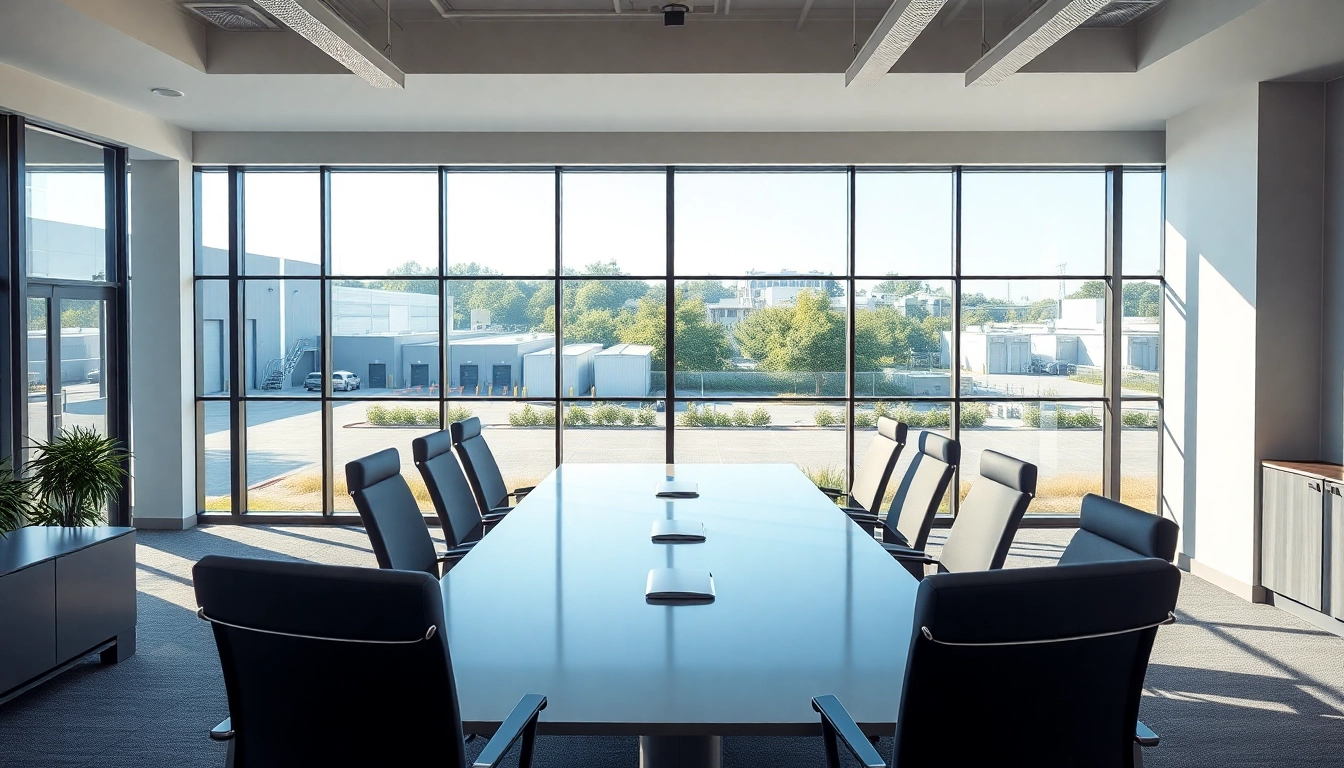
Understanding Industrial Leasing Basics
What is Industrial Leasing?
Industrial leasing refers to the practice of renting industrial real estate, which typically includes warehouses, manufacturing facilities, and distribution centers. These properties are crucial for companies in various sectors, allowing them to store goods and conduct operations without the financial burden of ownership. Industrial leasing can offer flexibility, affordability, and operational efficiency, making it an attractive option for many businesses.
Types of Industrial Leases
Industrial leases can come in several forms, each with its specific characteristics and benefits. The three primary types of industrial leases are:
- Net Lease: The tenant is responsible for paying the base rent plus a portion of the property’s operating expenses, property taxes, and insurance. This type of lease can be further classified into single, double, or triple net leases, depending on the extent of the tenant's responsibilities.
- Gross Lease: In a gross lease, the landlord covers all property expenses, and the tenant pays a fixed rent. This arrangement simplifies budgeting for tenants but may come at a higher base rent usually to cover the landlord's expenses.
- Modified Gross Lease: A hybrid approach where the tenant and landlord share the responsibility for property expenses. This type of lease often allows for more negotiation on the specific costs each party will cover.
Key Terms in Industrial Leasing Agreements
Understanding the language of industrial leasing is crucial for both landlords and tenants. Here are some key terms often encountered in lease agreements:
- Term: The duration of the lease, typically ranging from one to ten years.
- Base Rent: The minimum rent specified in the lease, excluding additional expenses.
- Common Area Maintenance (CAM): Charges for shared areas in a facility, such as hallways and parking lots, which are often divided among tenants.
- Tenant Improvement Allowance: Funds provided by landlords to customize or improve the leased space to suit the tenant's operations.
Identifying the Right Industrial Space
Evaluating Location and Accessibility
When selecting an industrial space, location is often a critical factor. Businesses must consider their supply chain needs, customer base, and accessibility to major transportation routes. Areas close to highways, railroads, and airports can dramatically reduce logistics costs and improve delivery times. Furthermore, understanding local market dynamics, including competition and demand, can provide valuable insight into selecting the right location.
Assessing Space Requirements for Industrial Operations
Evaluating the specific space needs for operations is essential. This includes determining the square footage required for production lines, storage, and office areas. Businesses need to analyze their workflow and consider any growth projections to avoid frequent moves in the future. Consulting with an industrial real estate professional can also aid businesses in understanding their needs more accurately.
Understanding Zoning Regulations and Compliance
Every industrial property is subject to zoning regulations that dictate what types of activities can take place within the space. Therefore, potential tenants must ensure the property complies with local zoning laws, including environmental regulations. Engaging with local authorities to understand these regulations is a prudent step to avoid compliance issues that could hinder operations or lead to costly fines.
Cost Considerations in Industrial Leasing
Average Rental Rates in Different Markets
The cost of industrial leasing varies significantly based on geographical location, property type, and market conditions. For example, between regions like Hewitt and Waco, Texas, average rental rates can range from $8 to $10 per square foot, depending on local demand and facility features. Business owners must conduct thorough market research to gain insights into average rates and fluctuations over time.
Cost Comparison: Industrial Leasing vs. Purchase
Deciding between leasing and purchasing industrial property is a pivotal consideration for businesses. While leasing often involves lower upfront costs and more flexibility, purchasing can offer long-term equity and control over property modifications. Potential tenants should weigh factors such as capital availability, projected growth, and operational needs to determine the best financial strategy.
Financial Planning for Industrial Leasing
Strategic financial planning is vital for successful industrial leasing. Businesses should prepare detailed budgets that include not only rental costs but also additional expenses such as utilities, maintenance, insurance, and taxes. Companies may also explore financial options like lease rates hedging and consider negotiating rent escalations based on economic conditions to safeguard against inflation.
Navigating the Industrial Leasing Process
Steps to Secure an Industrial Lease
The industrial leasing process can be intricate, requiring careful steps to secure the right property:
- Research: Evaluate available properties through online listings and networking with industry contacts.
- Site Visits: Shortlist potential properties and conduct site visits to assess suitability and conditions.
- Negotiation: Enter negotiations with the property owner to finalize terms that meet your business' needs.
- Legal Review: Engage legal counsel to review the lease agreement before signing to ensure all terms are clearly understood and legally binding.
- Finalizing the Lease: Once terms are agreed upon and the legal review is complete, sign the lease documents.
Negotiating Terms: Tips for Tenants
Negotiation can significantly influence the terms of the lease. Tenants should approach negotiations with clear objectives in mind. This involves understanding market rates to discuss pricing assertively, being willing to compromise on less critical terms, and ensuring that critical elements like lease length, exit clauses, and renewal options are clearly articulated in the agreement. Additionally, seeking professional legal assistance can enhance negotiation outcomes.
Closing the Deal: What to Expect
The closing process in industrial leasing culminates in a final review of the lease agreement where both parties sign. Expect a thorough walkthrough of the terms and conditions, during which any outstanding matters are addressed. It’s also advisable to have a property inspection to identify any needed repairs or modifications required before occupancy to avoid disputes later.
Maximizing Operational Efficiency in Leased Spaces
Adapting the Space for Your Business Needs
Upon leasing an industrial space, businesses often need to adapt it to fit their operational requirements. This may involve renovating or partitioning the space to optimize layouts for production or storage. Collaborating with architects and facility planners can help design efficient workflows that increase productivity.
Maintenance Responsibilities in Industrial Leasing
Maintenance is a vital component of industrial leasing agreements. Depending on the lease type, either the landlord or tenant—often both—will be responsible for maintaining the property. Tenants must ensure they fully understand their obligations, including routine maintenance and emergency repairs, to avoid liabilities and maintain a functional workspace.
Future-Proofing Your Lease: Planning for Growth
Finally, future-proofing the lease is essential for long-term operational success. This involves considering flexibility options, such as lease extensions, options to expand into adjacent spaces, or provisions for upfront growth requirements. By proactively planning for future needs, businesses can protect themselves against potential disruptions as they scale operations.