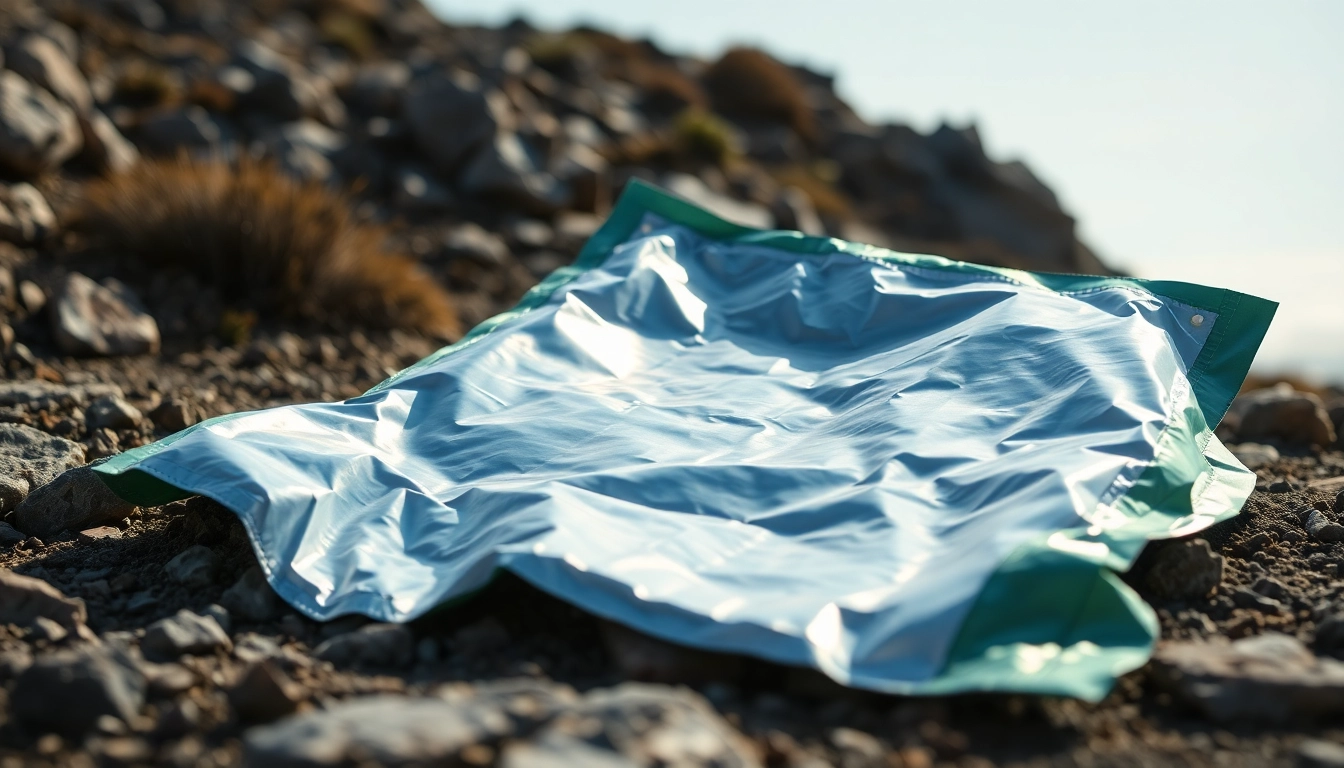
Understanding Emergency Blankets
What is an Emergency Blanket?
An emergency blanket, commonly known as a space blanket or thermal blanket, is a lightweight and compact sheet designed to reflect body heat to keep individuals warm in emergency situations. Made from a thin layer of plastic with a reflective metallic coating, these blankets have become essential survival tools due to their ability to provide warmth and insulation. They are not only used in survival situations but can also be found in various outdoor activities and medical emergencies.
Typical Material and Construction
Emergency blankets are primarily constructed from a type of polyester material, often coated with a layer of aluminum. This combination creates a product that is not only durable and water-resistant but also highly reflective, capable of returning up to 90% of body heat. The innovative design allows them to fold down to a fraction of their size, making them incredibly portable. Their lightweight nature means that they can easily be stored in backpacks, glove compartments, or emergency kits without taking up significant space.
How Emergency Blankets Work
The primary function of an emergency blanket is to retain body heat by reflecting it back to the individual. When wrapped tightly, the blanket traps a layer of warm air between the body and the blanket, creating a micro-environment that helps regulate body temperature. This feature becomes particularly crucial in extreme cold, helping to prevent hypothermia. Furthermore, these blankets can also minimize the risk of heat injuries in hot weather by providing a shade from direct sunlight, reflecting heat away from the body.
Key Uses of Emergency Blankets
Survival Situations
In survival situations, emergency blankets are invaluable resources. Whether stranded in the wilderness after an unexpected hike or faced with the aftermath of a natural disaster, these blankets can mean the difference between life and death. For example, hikers who experience unexpected weather changes can use emergency blankets to stave off the chilling effects of hypothermia. Stories abound of adventurers saved from peril due to the simple yet effective barrier an emergency blanket provides against the cold.
Outdoor Activities
Beyond emergencies, outdoor enthusiasts often include these blankets in their gear for various activities. Campers and hikers utilize emergency blankets to provide additional warmth during cool nights or unfriendly weather. Whether attending a music festival or participating in sports, they can be used to provide comfort during break times, ensuring that participants are protected against temperature variations.
Emergency Medical Applications
In the medical field, emergency blankets serve a pivotal role during First Aid operations. When an individual is injured or becomes ill, maintaining body temperature is crucial for recovery. Emergency personnel often use these blankets to cover patients during transport or while administering care, ensuring they remain warm, particularly in cases of shock. Hospitals and ambulances commonly stock these blankets, recognizing their utility in acute care scenarios.
Selecting the Right Emergency Blanket
Different Types Available
Emergency blankets come in a variety of designs, including the basic reflective type and models with enhanced features, such as Mylar blankets designed for superior insulation. Standard options are perfect for casual users, while those seeking greater durability might opt for blankets made with heavier fabrics or those capable of withstanding harsher conditions. There are even options with grommets for securing the blankets in windy situations, making them versatile tools for any environment.
Factors to Consider When Choosing
When selecting an emergency blanket, consider its weight, size, and insulation capability. Lighter blankets are easier to carry but may offer less insulation compared to heavier models. Size is particularly important for group settings—larger blankets may serve multiple individuals or areas. Additionally, examine the resistance to tears and punctures, especially if the blanket may be exposed to rugged outdoor conditions.
Popular Brands in the Market
Several brands have established themselves as leaders in the emergency blanket market. Brands like SOL (Survive Outdoors Longer) and Adventure Medical Kits offer a range of products known for quality and performance. The Mylar space blanket from these companies is a popular choice for many outdoor enthusiasts. Others such as the Coghlan’s Emergency Blanket are recognized for being lightweight and exceptionally affordable, ideal for those just starting to prepare their emergency kits.
Care and Maintenance of Emergency Blankets
Proper Storage and Handling
Despite their robust construction, emergency blankets require proper storage to ensure longevity and effectiveness. Store them in a cool, dry place, away from direct sunlight which can degrade the material over time. It's advisable to keep them in their original packaging or a protective bag to avoid unnecessary damage. Regularly inspect stored blankets for any signs of wear or punctures, replacing any damaged items as necessary.
Cleaning and Maintenance Tips
Cleaning emergency blankets should be done with care. While most models are disposable, they can often be reused if they remain undamaged. To clean a blanket for reuse, wipe it gently with a damp cloth to remove debris and dirt. Avoid harsh detergents or machines, as these can compromise the blanket's reflective properties. Always check the manufacturer's instructions for specific care recommendations. Keeping blankets clean ensures their readiness when needed.
Longevity and Lifespan Considerations
The lifespan of an emergency blanket can vary significantly based on usage and care. High-quality models may last several years if properly maintained and stored, whereas cheaper options might degrade quickly. Expecting a lifespan of 3 to 5 years with proper treatment is reasonable. Always consider replacing blankets after significant exposure to outdoor elements, as this can affect their insulating abilities.
Emergency Blankets: Myths and Facts
Common Misconceptions
There are numerous myths surrounding emergency blankets that can lead to misunderstandings about their usage. One common misconception is that they are only useful in extremely cold environments; in reality, they can also be critical in hot conditions as they reflect heat. Another myth is that they are single-use; many are designed for reuse, provided they are cared for properly. Understanding these realities can empower individuals to utilize emergency blankets more effectively.
Real-Life Testimonials
Users across various scenarios have recounted the positive impact of emergency blankets in critical moments. Hikers have shared stories of being caught in freezing temperatures and finding comfort thanks to their bundled emergency blankets. Medical professionals have also provided examples of how quickly and efficiently they can stabilize a patient in shock by keeping them warm—highlighting the effectiveness of emergency blankets in real-world situations.
When to Rely on Emergency Blankets
Knowing when to rely on emergency blankets is essential for maximizing their utility. They should be considered a first-line resource in extreme weather situations, both hot and cold. Additionally, they should be standard in any emergency kit, especially for outdoor recreational activities. Finally, if traveling in unfamiliar or potentially hazardous environments, having an emergency blanket on hand can be highly advisable.