Introduction to Sheet Metal Training
Sheet metal training is an essential pathway for individuals aspiring to develop skills in metalworking, fabrication, and manufacturing processes. Whether you're a beginner looking to enter a new field or a seasoned professional seeking to refine your abilities, comprehensive training programs offer the structured learning necessary to excel. Engaging in sheet metal training can lead to fulfilling career opportunities and increased job security.
What is Sheet Metal Training?
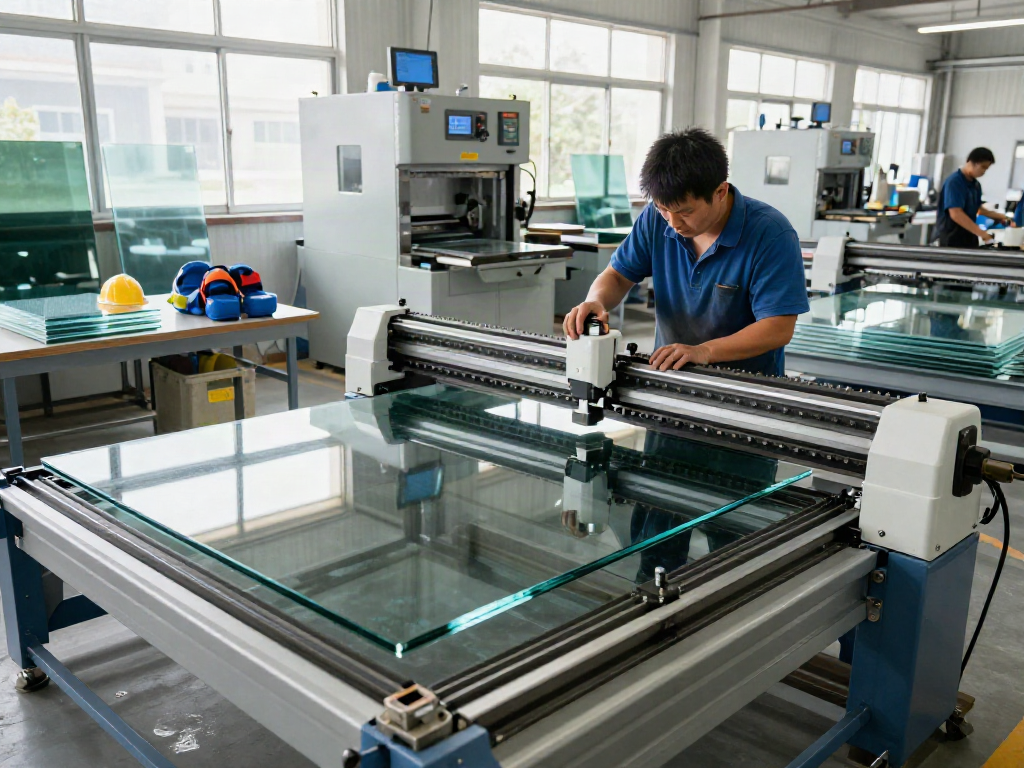
Sheet metal training encompasses a range of educational programs designed to impart the skills and knowledge required to work with thin sheets of metal. This training typically covers various techniques, including cutting, bending, welding, and assembling metal materials into functional structures. The aim is to prepare students for jobs in industries ranging from construction and HVAC (heating, ventilation, and air conditioning) to automotive and aerospace, where precision and expertise are paramount.
Importance of Skilled Training
In the modern manufacturing landscape, the demand for skilled workers is on the rise. Companies are looking for individuals who not only understand the theoretical aspects of metalworking but can also apply practical skills effectively. Skilled training in sheet metal processes ensures that workers can meet industry standards and maintain high-quality production. The continuous evolution of technology means that ongoing education and skill development are critical for employability and career advancement.
Overview of Training Programs
Training programs in sheet metal work can vary significantly in duration, format, and content. Some programs are short-term workshops, while others may extend over several months or years, often culminating in both hands-on practice and theoretical instruction. These programs can be found in vocational schools, community colleges, and trade unions. Varied approaches—including online learning, in-person classes, and apprenticeship opportunities—cater to diverse learning styles and career objectives.
Core Skills in Sheet Metal Training
Acquiring a solid foundation of skills in sheet metal is crucial for success in this field. Trainees learn a variety of core competencies, often starting with fundamental skills and gradually progressing to advanced techniques.
Fundamental Techniques for Beginners
For beginners, the sheet metal training program typically begins with basic techniques such as measuring and cutting materials accurately. Understanding how to read blueprints, work with hand tools, and operate basic machinery forms the foundation of skill development. Other essential skills include:
- Metal cutting techniques (e.g., shearing, sawing)
- Bending and forming metal using brakes and other machines
- Basic welding techniques, including MIG and TIG welding
- Joining methods, such as riveting and soldering
Advanced Skills for Professionals
Once foundational skills are mastered, trainees can explore advanced techniques that enhance their proficiency. These may include:
- Complex welding procedures for high-strength applications
- Computer-aided design (CAD) for custom sheet metal layouts
- Use of sophisticated machinery, such as plasma cutters and laser engravers
- Quality control measures to ensure precise specifications
These advanced skills prepare individuals for specialized roles within the industry, making them valuable assets to potential employers.
Hands-On Practical Exercises
Hands-on practice is a cornerstone of effective sheet metal training. Practical exercises allow students to apply learned skills in real-world situations, fostering confidence and competence. Common practical components of a training program include:
- Working on individual and group projects to create metal components
- Participating in simulations that replicate industry-standard workflows
- Engaging in problem-solving tasks to address common fabricating challenges
- Receiving feedback from instructors to refine techniques
By engaging in hands-on activities, trainees develop not only their technical skills but also essential soft skills, such as teamwork and problem-solving.
Tools and Equipment Used in Sheet Metal Training
A comprehensive understanding of the tools and equipment used in sheet metal work is crucial for trainees. Familiarity with both basic and advanced tools leads to improved efficiency and safety on the job.
Essential Tools for Beginners
Beginning trainees typically start with essential hand tools, including:
- Snips for cutting sheet metal
- Measuring tools such as tapes, squares, and calipers
- Pliers for bending and holding materials
- Brackets and clamps for securing metal pieces during work
Understanding how to utilize these tools effectively sets a strong foundation for future skill development.
Advanced Machinery and Technology
As trainees progress, they encounter more sophisticated machinery essential for high-volume production and complex projects. Advanced tools include:
- Brake presses for precision bending
- Laser cutting machines for intricate designs
- CNC (Computer Numerical Control) machines for automated processes
- Plasma cutters for efficient material removal
Training on this equipment enhances students' readiness for the various challenges they may face in the workplace.
Safety Practices and Equipment
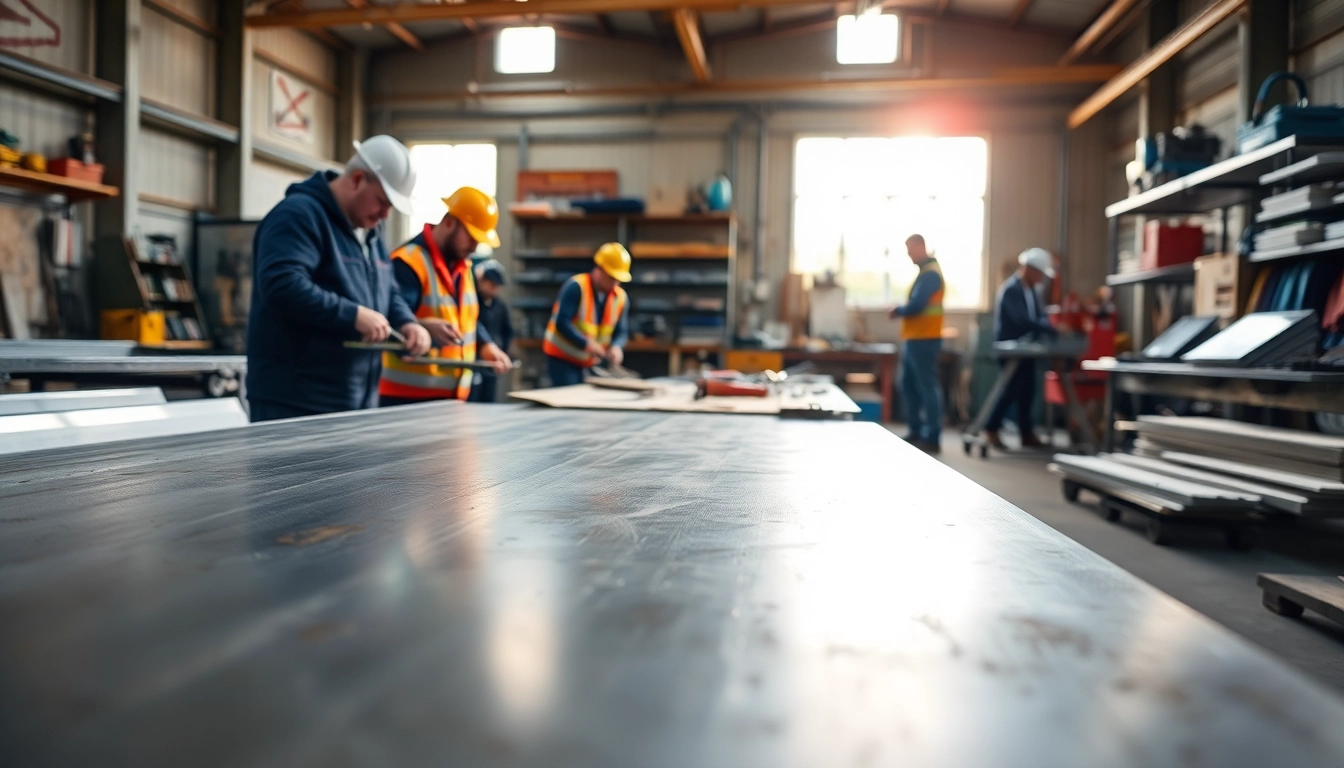
Safety is paramount in any metalworking environment. Training programs must emphasize best safety practices, including:
- Understanding personal protective equipment (PPE), such as gloves, helmets, and goggles
- Proper techniques for lifting and handling heavy materials
- Safe operation of machinery and tools, including emergency shut-off procedures
- Awareness of fire hazards and how to mitigate risks
By instilling a safety-first mentality, training programs contribute to a culture of safety and responsibility in the metalworking industry.
Implementing Effective Training Strategies
Developing effective training strategies is vital to ensuring that students gain the skills necessary for success in their chosen careers. These strategies encompass creating a comprehensive curriculum, fostering engagement, and assessing learner progress.
Creating a Comprehensive Training Curriculum
A well-designed training curriculum is critical for structured learning. It should include:
- A clear outline of competencies to be achieved at each stage
- Integration of theoretical knowledge with practical applications
- Supplemental resources, such as textbooks and online materials
- Adaptability to accommodate diverse learning styles and backgrounds
Involving industry stakeholders in curriculum development can help ensure that training aligns with current market needs.
Engagement and Retention Techniques
To maintain student interest and boost retention rates, training programs should incorporate interactive elements such as:
- Hands-on projects that allow for creativity and practical application
- Group activities that encourage teamwork and collaborative problem-solving
- Guest speakers from the industry to share insights and experiences
- Regular assessments to reinforce learning and boost confidence
Utilizing these strategies helps create a dynamic learning environment that nurtures student development.
Assessing Learner Progress and Feedback
Continuous assessment is essential to measure student performance and competence. Effective assessment methods include:
- Practical exams to evaluate hands-on skills
- Written tests to assess theoretical knowledge
- Peer reviews to foster collaboration and constructive criticism
- Structured feedback sessions from instructors for personalized growth
Regular feedback allows students to identify areas of strength and improvement, facilitating ongoing learning even post-program completion.
Future Trends in Sheet Metal Training
The sheet metal industry is evolving rapidly, influenced by technological advancements and changing market demands. Training programs must adapt to these trends to remain relevant and effective.
Adapting to Industry Changes
As industries begin to emphasize sustainable and efficient practices, training programs must incorporate green manufacturing principles, such as:
- Techniques for reducing material waste
- Utilization of recyclable materials in production
- Energy-efficient manufacturing processes
- Awareness of environmental regulations and compliance
Adapting training content to reflect these changes prepares students for the future workforce and enhances their marketability.
Technological Advances in Training
Technology is increasingly becoming an integral part of sheet metal training. Recent advancements include:
- Virtual reality (VR) and augmented reality (AR) simulations for immersive learning experiences
- Online training platforms for greater accessibility and flexibility
- Advanced skill assessment software that tracks student progress in real-time
- Integration of automation and robotics into training programs to reflect industry practices
Leveraging technology can enhance the learning experience and prepare students for a digitally transformed landscape.
Career Opportunities in Sheet Metal Fields
Graduating from sheet metal training programs opens doors to a variety of career paths, including:
- Metal fabricators, who create custom pieces for various industries
- HVAC technicians, specializing in heating and cooling systems
- Welders, focusing on joining and assembling metal components
- Quality control inspectors, ensuring products meet industry standards
The versatility of skills learned during training means graduates can seek jobs in diverse fields, ensuring strong employability.
FAQs
What is sheet metal training?
Sheet metal training involves teaching skills required to work with metal, including cutting, bending, and welding.
Who should consider sheet metal training?
Those pursuing a career in manufacturing, HVAC, or fabrication benefit most from sheet metal training.
How long does it take to complete training?
The duration varies, but most programs range from a few weeks to several months, depending on the intensity.
Are there certifications available?
Yes, many training programs offer certifications that enhance employability in the metalworking industry.
What job opportunities arise from sheet metal training?
Graduates can work as fabricators, welders, or HVAC technicians, among many other roles in the manufacturing sector.