Understanding the Importance of Construction Safety Training
In the construction industry, ensuring the safety of workers and compliance with regulations is paramount. Construction sites are inherently risky environments where accidents can lead to severe injuries or fatalities. Therefore, implementing comprehensive construction safety training is essential for both legal compliance and the well-being of employees. This article explores the significance of safety training in the construction industry, the key components of effective training programs, common challenges, best practices, and ways to evaluate the success of training initiatives.
Why Safety Training Matters in Construction
Safety training is a crucial element in the construction industry for numerous reasons:
- Reduction of Accidents: Proper training equips workers with the knowledge and skills to recognize potential hazards, thereby minimizing accidents.
- Increased Productivity: A safe working environment leads to fewer work disruptions, allowing projects to run on time and within budget.
- Enhanced Employee Morale: Workers trained in safety protocols feel more secure in their roles, which can lead to higher morale and job satisfaction.
- Reputation Management: Companies that prioritize safety training bolsters their reputation, attracting clients and top talent alike.
Legal Requirements and Regulations
Construction safety is not just a moral imperative; it's legally mandated by various regulatory bodies. These regulations are designed to protect workers from workplace hazards. Organizations like OSHA (Occupational Safety and Health Administration) establish guidelines that employers must follow. Noncompliance can result in hefty fines and legal battles, underscoring the importance of adhering to safety training regulations.
Additionally, many states have their own set of construction safety laws, which may require specific training certifications and record-keeping practices. Understanding and complying with these legal requirements is crucial for any construction business.
The Impact of Safety Training on Project Success
Investing in construction safety training has long-term benefits that significantly affect project success. These include:
- Cost Savings: Fewer accidents mean lower insurance costs and reduced liabilities.
- Time Management: Projects with strong safety protocols experience fewer delays associated with accidents or injuries.
- Quality Assurance: A culture of safety contributes to better workmanship, reducing costly rework.
Ultimately, construction safety training is a proactive measure that fosters a positive work environment, ensuring both workforce safety and project efficiency.
Key Components of a Construction Safety Training Program
Fundamental Safety Concepts and Procedures
Understanding fundamental safety concepts is key to effective training. Workers should be educated on:
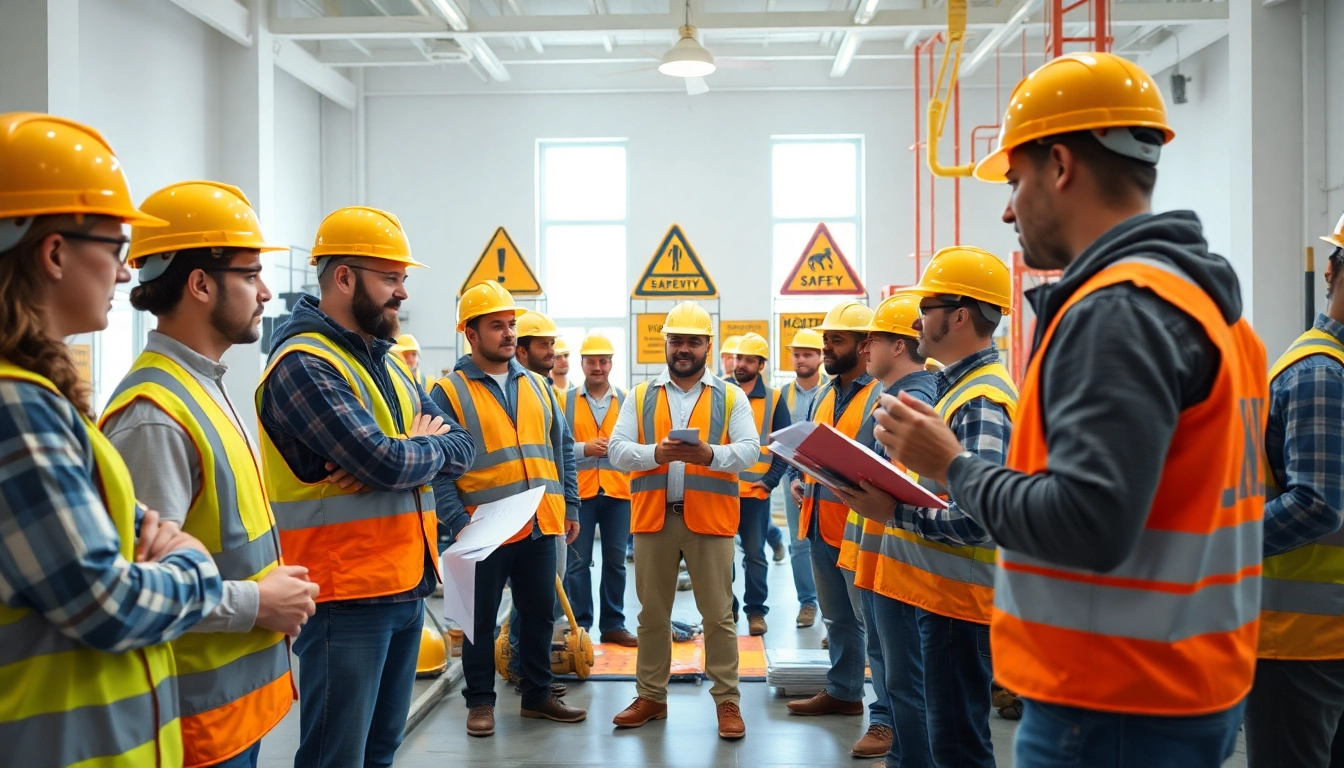
- Personal Protective Equipment (PPE): Training should emphasize the importance and correct use of PPE, such as helmets, gloves, and harnesses.
- Hazard Communication: Workers must learn to identify chemical hazards and interpret Safety Data Sheets (SDS).
- Emergency Procedures: Employees need to know what steps to take in an emergency, including evacuation routes and first aid measures.
These fundamental concepts build a robust foundation for a comprehensive safety training program.
Choosing Effective Training Methods
Different training methods can cater to various learning styles, making it crucial to choose effective approaches. Some effective methods include:
- Classroom Training: Traditional lectures can be useful for foundational knowledge.
- Hands-On Training: Practical demonstrations and simulations help workers practice skills in real-world scenarios.
- Online Training Modules: E-learning allows for flexible, self-paced learning opportunities for workers.
Combining these methods often yields the best results, accommodating different preferences while reinforcing knowledge through various channels.
Utilizing Technology to Enhance Training Sessions
Incorporating technology into training sessions can greatly enhance the learning experience. Some innovative tools include:
- Virtual Reality (VR): VR training programs can immerse workers in lifelike scenarios, allowing them to experience hazardous situations in a safe environment.
- Mobile Apps: Apps can provide quick access to safety information and enable on-the-go training reinforcement.
- Webinars and Online Courses: These can facilitate training for remote workers or supplement in-person sessions.
The integration of technology not only improves engagement but also helps internalize safety concepts more effectively.
Common Challenges in Construction Safety Training
Addressing Employee Resistance and Engagement
One of the primary challenges in implementing safety training is overcoming employee resistance. Workers may be indifferent or skeptical about safety protocols, viewing them as unnecessary restrictions. To address this, employers can:
- Involve employees in the development of training programs to ensure their concerns and suggestions are heard.
- Highlight real-world case studies that demonstrate the importance of safety training.
- Offer incentives for completing training or adhering to safety protocols.
Engaging employees in this manner fosters a commitment to safety that can profoundly shift workplace culture.
Ensuring Compliance with Regulations
Compliance with safety regulations is an ongoing challenge for many construction companies. Strategies to facilitate compliance include:
- Consistent audits of training programs to identify gaps in knowledge or skills.
- Maintaining up-to-date records of employee training and certifications.
- Regularly reviewing and updating training materials to reflect changes in regulations.
Ongoing monitoring and adjustment ensure companies remain compliant and can adapt to the evolving regulatory landscape.
Measuring the Effectiveness of Training
Measuring the impact of training programs is vital to assess their effectiveness. Companies can implement several methods to evaluate their training:
- Pre- and Post-Training Assessments: Testing knowledge before and after training can provide measurable outcomes.
- Observation and Feedback: Supervisors can monitor job site safety practices and provide feedback on areas for improvement.
- Incident Reporting: Analyzing injury and accident reports can help gauge the effectiveness of training initiatives over time.
By leveraging these metrics, companies can ensure their safety training programs are achieving desired outcomes.
Best Practices for Delivering Construction Safety Training
Developing a Training Schedule and Curriculum
Creating an organized training schedule is essential for maintaining momentum in safety training. Elements of a strong schedule include:
- Regular Training Intervals: Establishing a consistent training schedule ensures workers receive updates and refreshers regularly.
- Training Topics by Season: Training can be scheduled around project cycles, focusing on relevant topics as they arise.
- Incorporating New Regulations: Ensuring training aligns with the latest safety regulations is crucial.
A well-structured training schedule helps instill safety habits and encourages continuous learning.
Incorporating Real-World Scenarios
Training sessions that incorporate realistic scenarios resonate more with workers. This can be achieved by:
- Using case studies that illustrate the consequences of neglecting safety measures.
- Simulating potential emergency situations to practice response techniques.
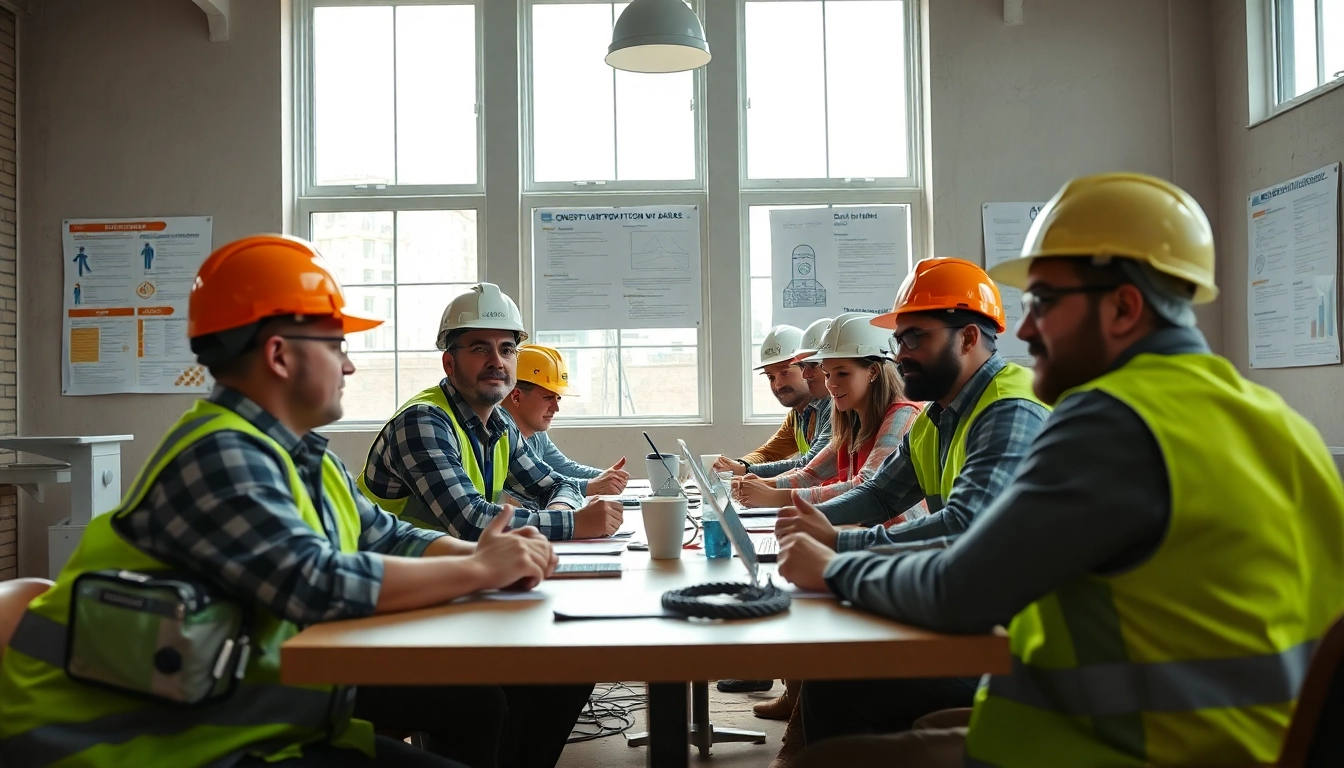
- Encouraging group discussions on safety challenges encountered on the job site.
By grounding training in practical applications, employees can better appreciate the relevance of safety protocols to their roles.
Creating a Culture of Safety on the Job Site
Establishing a safety-centric culture is a long-term commitment that can transform the work environment. Steps to create this culture include:
- Leading by Example: Management should consistently demonstrate safe practices and participate in training.
- Encouraging Open Communication: Workers should feel comfortable reporting unsafe conditions without fear of repercussions.
- Recognizing Safety Achievements: Celebrating milestones and safety records fosters pride and reinforces safe practices.
A culture of safety nurtures a proactive approach to risk management and employee well-being.
Evaluating the Success of Construction Safety Training Programs
Key Performance Indicators for Safety Training
Establishing key performance indicators (KPIs) allows employers to track progress and make data-driven decisions on training efficacy. Common KPIs include:
- Reduction in Incident Rates: Tracking the number of injuries or accidents before and after implementing training.
- Training Completion Rates: Monitoring the percentage of employees who complete required safety training.
- Feedback Scores: Evaluating participant satisfaction through surveys can highlight areas of strength and potential improvement.
These KPIs provide valuable insight to guide future training efforts and resource allocation.
Gathering Feedback from Participants
Feedback is a crucial component of training evaluation. Employers should actively seek input from workers to understand their experiences better. Strategies for gathering feedback include:
- Post-Training Surveys: Immediately following training, surveys can gauge participant satisfaction and perceived effectiveness.
- Focus Groups: Engaging a small group of workers can lead to deeper insights into training strengths and weaknesses.
- Anonymous Feedback Channels: Providing anonymous ways for workers to express concerns can yield more honest and constructive input.
Utilizing feedback effectively helps in modifying and enhancing training programs based on direct participant experience.
Continuous Improvement and Ongoing Training
Construction safety training should not be a one-time event. Continuous improvement involves regularly revisiting training programs to incorporate new methodologies and findings. Key actions include:
- Updating Training Materials: Regularly review and revise content to reflect new regulations, emerging technologies, and evolving best practices.
- Conducting Refresher Courses: Frequent refresher courses keep safety procedures top of mind and reinforce knowledge gained.
- Encouraging Lifelong Learning: Promoting ongoing learning opportunities encourages workers to stay informed about safety advancements.
By fostering an environment of continuous improvement, construction companies can ensure a robust and effective safety training program that protects their most valuable asset—their workforce.