
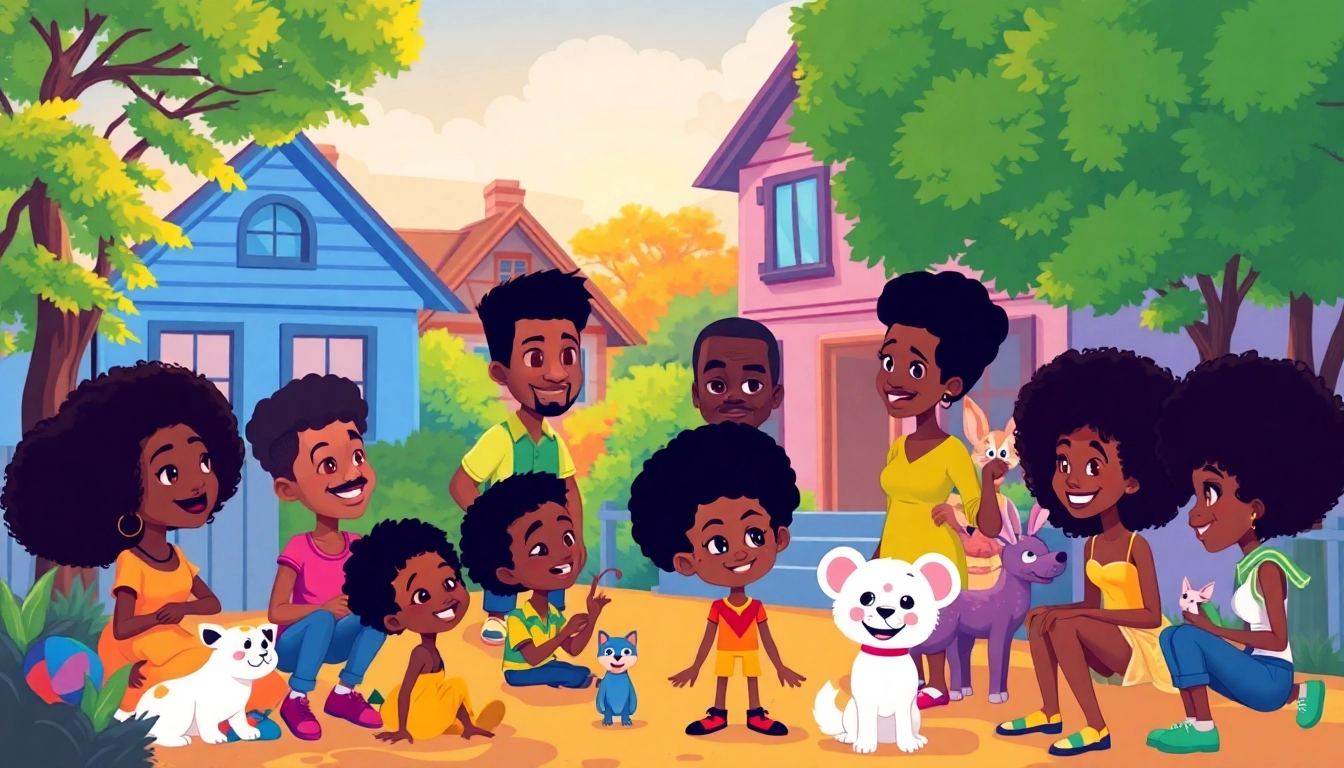
Introduction to African American Cartoons
African American cartoons have played a vital role in shaping the landscape of animated entertainment, offering not only diverse representation but also rich storytelling that resonates with audiences of all ages. From iconic characters to groundbreaking narratives, these cartoons reflect the cultural heritage and experiences of African Americans, making them an essential part of media history. As we delve into the world of African American Cartoons, we uncover their historical significance, cultural impact, and the ways they inspire future generations.
The Historical Significance of Representation
The importance of representation in media cannot be overstated. Historically, animation has often sidelined or misrepresented marginalized communities, leading to a lack of relatable characters for African American viewers. However, with the advent of shows featuring Black characters and stories, there has been a seismic shift in the animation landscape. Shows like "Fat Albert and the Cosby Kids," created by Bill Cosby, not only entertained but also educated viewers about the lives and challenges faced by African Americans in society.
Moreover, the late 20th century saw a surge in content aimed at depicting authentic Black experiences. This movement reached its zenith with series like "The Boondocks," which tackled social issues such as racism and identity through sharp humor and poignant storytelling. The presence of diverse characters in animated series has empowered young viewers to see themselves reflected in media, fostering a sense of belonging and pride.
Impact on Culture and Society
African American cartoons have significantly influenced both culture and society. They have opened dialogue around crucial social issues, from racial inequality to the importance of community. Cartoons such as "The Proud Family" have made discussions regarding family values, culture, and identity accessible to younger audiences. By incorporating real-world issues into their narratives, these shows have not only entertained but have also educated viewers, encouraging them to think critically about the world around them.
Furthermore, African American cartoons often challenge stereotypes, reshaping public perception about Black culture and identity. They present a multifaceted view of African American life, emphasizing joy, resilience, and humor within the community. This portrayal has helped foster a more nuanced understanding of Black experiences among viewers from all backgrounds.
Overview of Popular Shows and Characters
There are numerous African American cartoons that have left an indelible mark on the animation genre. Shows like "The Boondocks," "The Proud Family," and "Static Shock" have become cultural touchstones, each presenting unique narratives that resonate deeply with audiences. Characters from these series, such as Huey Freeman and Penny Proud, have become iconic figures that embody the struggles and triumphs of their respective communities.
Additionally, newer shows such as "Craig of the Creek" and "Tuca & Bertie" continue this legacy, offering diverse representation while entertaining audiences. These series demonstrate how far African American cartoons have come, evolving to reflect contemporary issues while maintaining a sense of authenticity.
Top African American Cartoons of All Time
Classic Shows That Shaped Generations
Throughout the years, several classic African American cartoons have defined childhoods for many. "Fat Albert and the Cosby Kids," which debuted in 1972, was revolutionary in its portrayal of urban Black youth, addressing themes of friendship, responsibility, and societal issues. Similarly, "The Jacksons" animated series celebrated the iconic pop family, combining music and storytelling in a way that resonated with fans old and young.
Another significant classic is "The Boondocks," which aired its first episode in 2005. The show’s sharp satire and social commentary challenged viewers to confront uncomfortable truths about race relations in America. Its impact continues to be felt, as it remains a relevant and provocative piece of art today.
Modern Favorites That Inspire Today’s Youth
In recent years, several modern animated series have emerged, captivating young audiences with compelling stories and vibrant animation styles. "Doc McStuffins," featuring a young African American girl who aspires to be a doctor, promotes positive messages about health and community. Its success has paved the way for additional shows that prioritize representation and empowerment.
"Craig of the Creek," another popular series, showcases the adventures of a young Black boy navigating friendship and imagination while also highlighting the importance of community and camaraderie. These contemporary cartoons reflect the diverse narratives that today's youth are hungry for, blending creativity with meaningful lessons.
How These Cartoons Challenge Stereotypes
African American cartoons actively work to dismantle stereotypes often associated with Black characters in media. By exhibiting a wide range of personalities, experiences, and backgrounds, these shows underscore that there is no singular Black experience. Comedic characters like Uncle Ruckus from "The Boondocks" provide a satirical lens through which audiences can analyze and critique internalized racism, thereby encouraging dialogue around these complex themes.
Moreover, shows such as "The Proud Family" depict the nuances of Black family life, addressing issues such as cultural heritage and pride. They celebrate Black history while also embracing modern challenges, making them relevant and relatable to viewers today.
Understanding the Art and Animation Styles
Techniques Unique to African American Animators
The artistry behind African American cartoons is as rich as the stories they tell. Many animators and creators draw from their cultural backgrounds, employing unique techniques and styles that reflect their heritage. For instance, shows like "The Boondocks" utilize a blend of traditional and digital techniques, resulting in visually striking animation that complements the narrative's edgy and satirical tone.
Additionally, many African American animators are reclaiming and redefining animation styles that resonate with their communities. This push for authenticity ensures that the animation reflects the culture accurately while also appealing to a broader audience.
Color Palettes and Design Choices
Color palettes in African American cartoons are often thoughtfully chosen to evoke specific emotions and cultural connections. Warm, vibrant colors are commonly used to symbolize joy and resilience within the Black community. For example, "The Proud Family" employs a colorful aesthetic that accentuates the vibrancy and richness of African American culture, inviting viewers into an engaging world full of life.
Moreover, design choices in character creation often emphasize features that reflect diverse African American identities. This commitment to authenticity helps bring characters to life, allowing audiences to connect with and relate to them on a deeper level.
The Role of Storytelling in Animation
Storytelling is at the heart of African American cartoons, serving as a vehicle for sharing experiences and exploring complex social issues. The narratives often blend humor with serious themes, fostering a deeper understanding of the challenges faced by African Americans. For instance, "Static Shock" tackles issues such as gang violence and racism while allowing young viewers to engage with the material in a thoughtful, constructive way.
Furthermore, the storytelling techniques employed in these cartoons frequently draw on African American oral traditions, infusing narratives with cultural significance and depth. This connection to historical storytelling practices enriches the viewing experience, providing valuable lessons while entertaining audiences.
Character Development and Cultural Impact
Iconic Characters That Resonate with Audiences
The depth of character development in African American cartoons often exceeds that of their mainstream counterparts. Characters such as Huey and Riley Freeman from "The Boondocks" are multi-dimensional, grappling with identity, morality, and culture. This complexity allows audiences to see themselves reflected in these characters, fostering empathy and understanding across different backgrounds.
Moreover, characters like Penny Proud from "The Proud Family" are celebrated for their relatability and authenticity. They represent the joys and struggles of growing up Black, making them beloved figures among fans.
Lessons and Morals Conveyed Through Cartoons
African American cartoons frequently convey powerful lessons and morals that remain relevant across generations. They tackle issues such as self-acceptance, the importance of community, and the value of education. Shows like "Doc McStuffins" emphasize the significance of health and perseverance, while "The Proud Family" teaches about family bonds and cultural pride.
These lessons are not just confined to one episode but often develop over time, allowing characters to grow and evolve in response to their experiences. This depth contributes to the emotional resonance of the narratives, providing viewers with valuable takeaways that extend beyond the screen.
The Influence of African American Cartoons on New Generations
As new generations engage with African American cartoons, the influence of these shows becomes increasingly apparent. They serve not only as a source of entertainment but also as a tool for education and empowerment. By celebrating Black culture and identity, these cartoons inspire young viewers to embrace their uniqueness and advocate for themselves and others.
Additionally, the continued success of African American cartoons paves the way for more diverse storytelling within the animation industry. As more creators enter the field, the landscape is becoming richer and more varied, reflecting a broader range of experiences and perspectives.
The Future of African American Cartoons in Media
Emerging Trends and Innovations in Animation
The future of African American cartoons looks promising as new technologies and platforms allow for greater creativity and expression. The rise of streaming services has provided a space for diverse creators to showcase their work, leading to innovative storytelling and animation styles. This democratization of content creation gives rise to fresh voices and perspectives that reflect the current cultural climate.
Moreover, advancements in animation technology, such as digital animation and virtual reality, present new opportunities for storytelling. These innovations can enhance the viewing experience, allowing audiences to engage with narratives in immersive ways that were previously unimaginable.
How Digital Platforms are Changing Distribution
Digital platforms are revolutionizing the way African American cartoons reach audiences. Services such as Netflix, Hulu, and YouTube provide accessibility and visibility for shows that may not have received traditional backing. This shift allows for the exploration of niche stories that cater to specific communities while still appealing to a broad audience.
Furthermore, social media plays a crucial role in promoting African American cartoons, enabling creators to engage directly with fans and build supportive communities. This grassroots approach fosters loyalty and encourages conversations around representation and diversity in animation.
Predictions for 2026 and Beyond
Looking ahead to 2026 and beyond, the evolution of African American cartoons is set to continue at a rapid pace. As societal conversations around race and representation persist, so too will the demand for authentic narratives that reflect these experiences. The animation industry will likely see a rise in collaborations that blend traditional storytelling with contemporary issues, creating content that resonates with both young and adult audiences.
In conclusion, African American cartoons are not only entertainment; they are a powerful form of cultural expression. With their historical significance, cultural impact, and evolving narratives, these cartoons will continue to inspire and empower future generations, ensuring that the voices of African American creators remain at the forefront of the animation industry.