Understanding On-site Videography
Definition and Importance
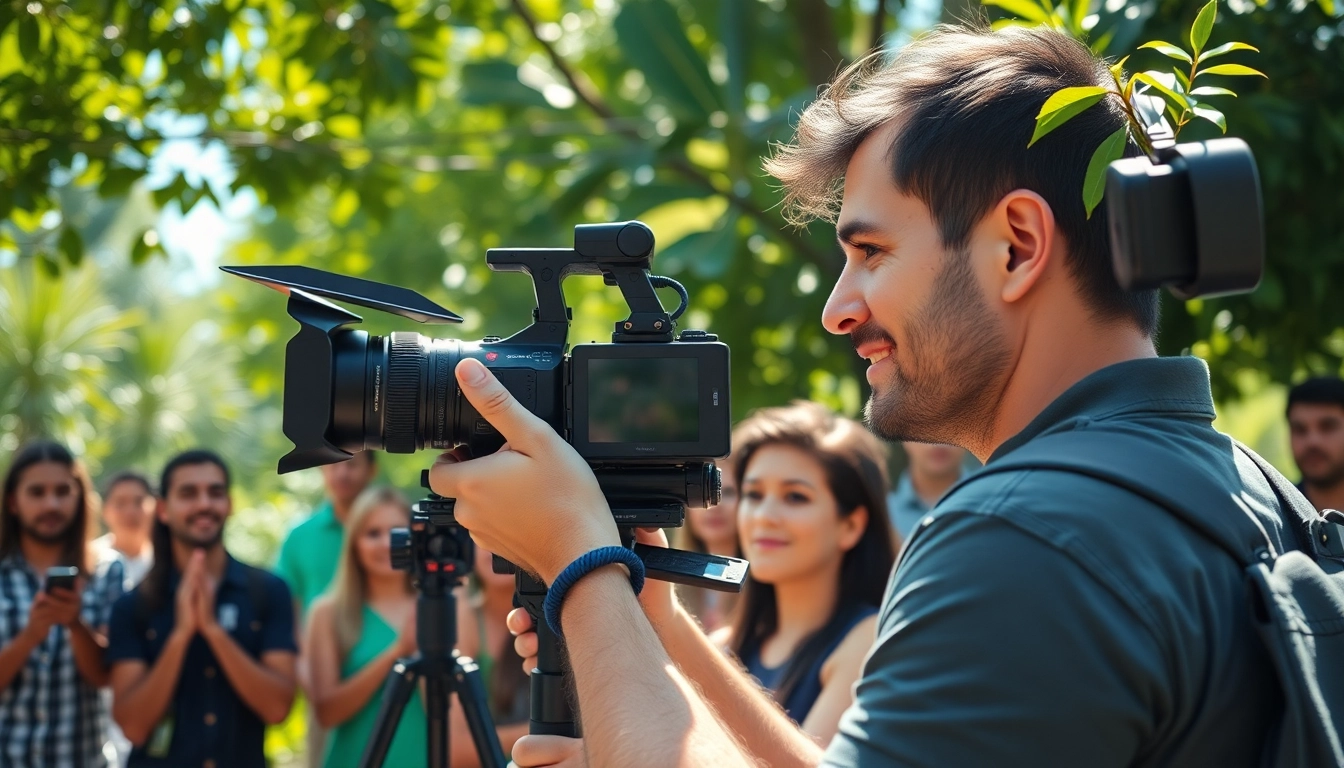
On-site videography refers to the process of capturing video footage in real-time at a specific location. This form of videography emphasizes authenticity, allowing viewers to connect with the subject matter in a genuine manner. It can vary from recording live events, such as conferences or workshops, to documenting everyday business activities. The On-site videography plays a crucial role in creating relatable content that resonates with audiences, showcasing the unique aspects of a brand that polished studio productions often overlook.
Key Elements of On-site Videography
Several elements define effective on-site videography, each contributing to the final output's quality and impact. Key elements include:
- Camera Equipment: Selecting the right camera gear is essential for capturing high-quality footage. Consider cameras with good low-light performance, high resolution, and stabilization features.
- Sound Quality: Utilizing external microphones and audio recorders helps capture clear audio, which is often more difficult to achieve on-site.
- Lighting Conditions: Natural light can be a great asset, but having additional lighting options available is important for ensuring that scenes are well-lit.
- Storyboarding: Planning shots in advance can enhance storytelling and lead to more engaging content.
Common Applications in Various Industries
On-site videography has diverse applications across numerous fields:
- Corporate Events: Businesses often use on-site videography to capture conferences, product launches, and employee training sessions.
- Marketing: Marketing teams utilize it for content creation that showcases products and services in their natural environment, building authenticity.
- Education: Schools and universities employ on-site videography for lessons, campus tours, and events to engage with potential students.
- Real Estate: Real estate professionals can use on-site videos to give virtual tours of properties, creating a sense of space and ambiance.
Planning Your On-site Videography Shoot
Setting Goals and Objectives
A successful on-site videography shoot begins with clearly defined goals and objectives. Understanding what you want to achieve is crucial; whether your aim is to create promotional material, document a process, or share a corporate event, clarity will guide your planning and filming approaches.
Set measurable targets like increasing engagement by a certain percentage or using the video in specific marketing campaigns. This helps in framing the narrative and selecting appropriate shots.
Choosing the Right Location
The location plays a vital role in the quality and storytelling aspect of on-site videography. The environment must not only fit the story you aim to tell but also support practical filming needs. Consider elements such as:
- Relevance: Ensure the location enhances the message of your video; for example, a vibrant cityscape for an urban business's promotional video.
- Accessibility: Confirm that the location is convenient for both the production team and talent.
- Permits and Regulations: Verify if you need to acquire permissions for filming in public or private spaces.
Creating a Shot List for Efficiency
A well-structured shot list is essential for ensuring your on-site videography shoot is efficient and effective. It serves as a roadmap for the filming process, helping you stay organized and focused. Include details such as:
- Specific shots required (close-ups, wide shots, etc.)
- Locations for each shot
- Timing for each scene to optimize the shooting schedule
- Notes on any special requirements (lighting adjustments, props)
The shot list also allows for flexibility since adjustments can be made on-site without compromising the overall structure of your shoot.
Technical Aspects of On-site Videography
Essential Equipment for High-Quality Footage
Investing in the right equipment is fundamental for achieving high-quality on-site videography. While the specific needs can vary based on the shoot, basic essential gear includes:
- Cameras: DSLRs, mirrorless cameras, and camcorders with high-definition capabilities are commonly used.
- Tripods and Stabilizers: To achieve steady shots, tripods or gimbals are crucial for professional-looking footage.
- Microphones: Lavalier mics, shotgun mics, and audio recorders capture clear sound, which is often more critical than video quality.
- Lighting Equipment: Portable LED lights and reflectors help you manage lighting effectively regardless of conditions.
Understanding Camera Angles and Framing
Camera angles and framing approach significantly influence how an audience perceives the story being told. Key principles to remember include:
- Wide Shots: Excellent for establishing context or location.
- Medium Shots: Useful for focusing on actions while including background detail.
- Close-Ups: Highlight emotions or details, making them particularly effective in storytelling.
Varying angles can create dynamic footage and keep viewers engaged throughout the video, enhancing its narrative.
Utilizing Lighting for Best Results
Lighting is one of the most critical aspects of videography, impacting both the aesthetic appeal and mood of the video. Here are tips for effectively utilizing lighting:
- Golden Hours: Shooting during early morning or late afternoon provides soft, natural light.
- Three-Point Lighting: Use key light, fill light, and backlight to create depth and dimension.
- Reflectors and Diffusers: Can help manage harsh shadows and create balanced illumination on your subjects.
Testing various lighting setups before the actual shoot can significantly elevate the quality of your footage.
Post-Production Techniques for Videography
Editing Tips to Enhance Your Story
Post-production is where the footage truly comes to life. Key editing components include:
- Cutting and Trimming: Remove any unnecessary footage to keep the content engaging and concise.
- Transitions: Use cross dissolves, fades, or other effects to provide seamless flow between scenes.
- Color Grading: Adjusting colors can enhance the overall look and feel of the video and set the desired mood.
Incorporating Sound and Effects
Sound design shapes the viewer's emotional response and complements the visual elements. Incorporate the following:
- Background Music: Select music that reinforces the message and mood of the video.
- Voiceover: Helps provide context and can narrate the story effectively.
- Sound Effects: Can add realism and heighten emotional reactions, improving viewer engagement.
Finalizing and Delivering the Video
Before release, it’s crucial to thoroughly review your video. Checklist items include:
- Ensuring all audio levels are balanced
- Confirming the final cut aligns with the original goals
- Exporting in the right resolution and format for specific platforms
Distributing your video effectively is also vital. Share through the appropriate channels—social media, websites, email newsletters—to maximize reach.
Measuring the Impact of On-site Videography
Key Performance Metrics to Track
To determine the success of your on-site videography, tracking performance metrics is essential. Common metrics include:
- View Counts: Indicates how many people have watched your video.
- Engagement Rates: Likes, shares, and comments reflect viewer involvement.
- Conversion Rates: Measure how well the video leads to desired actions, such as purchases or sign-ups.
Gathering Audience Feedback
Audience feedback is invaluable for refining future videography efforts. Methods include:
- Surveys and polls to gauge viewer sentiments and preferences
- Analyzing comments on video platforms for qualitative insights
- Tracking how well your video performs on various distribution channels
Adjusting Strategy Based on Insights
Once data is collected, it's important to analyze and adjust your strategy accordingly. Ask yourself questions such as:
- What elements resonated most with the audience?
- Were there sections of the video that underperformed?
- How can future content be tailored based on these findings?
These adjustments can lead to more effective on-site videography in the future, improving overall results.
Frequently Asked Questions
What is on-site videography?
On-site videography involves recording video footage in real-time at a specific location. It captures live events or interactions, emphasizing authenticity.
What equipment do I need for on-site videography?
Essential equipment includes a high-quality camera, tripod, external microphone, and lighting tools. Lenses may vary based on the shoot requirements.
How can on-site videography benefit my business?
It helps showcase your brand story, engage audiences, and create shareable content that can enhance your marketing efforts across platforms.
What are common mistakes in on-site videography?
Common mistakes include poor planning, inadequate lighting, and failing to capture sound properly. Performing a pre-shoot check can help avoid these issues.
How do I edit on-site videography footage?
Editing involves selecting the best clips, improving sound quality, adding transitions, and incorporating music. Software like Adobe Premiere can simplify this process.