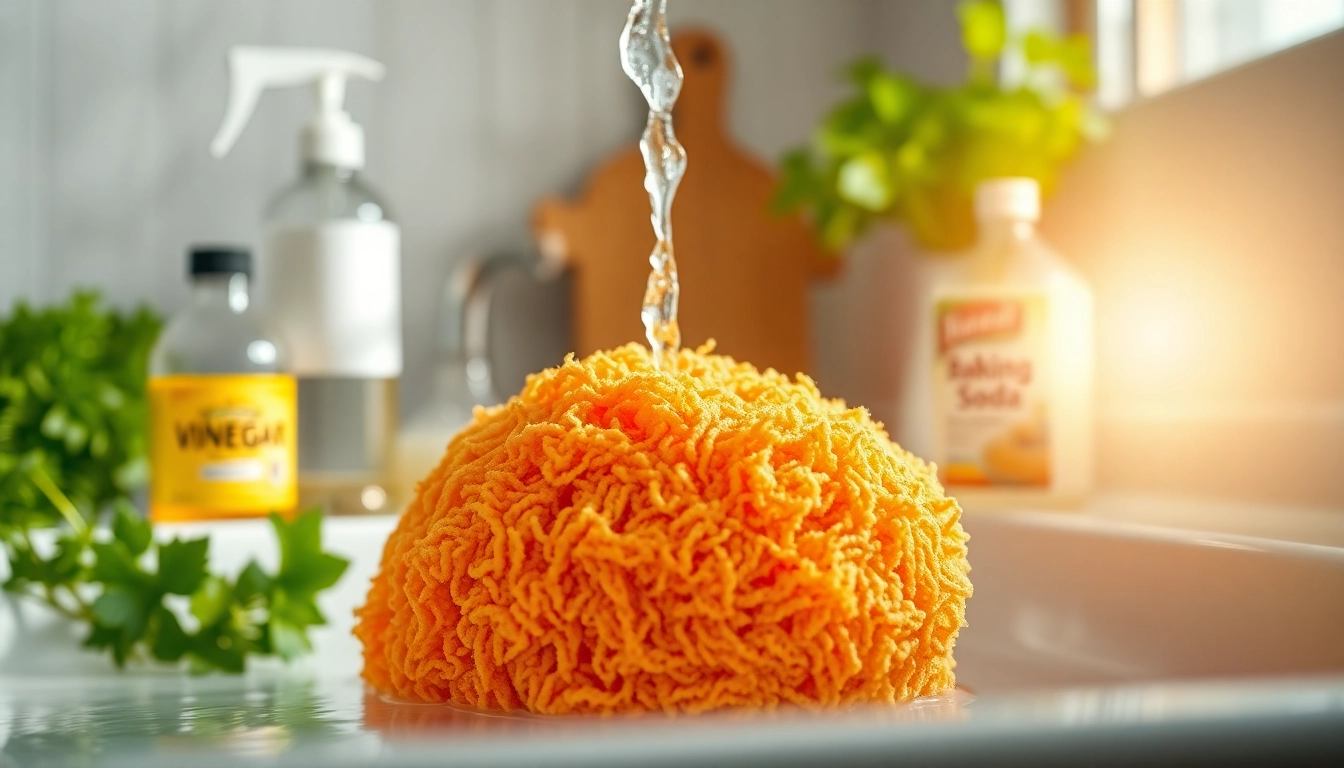
Understanding the Importance of Cleaning a Loofah
Why Regular Cleaning Matters
A loofah can enhance your bathing experience by exfoliating your skin and adding a spa-like feel to your daily routine. However, as beneficial as they are, loofahs also require diligent care and regular cleaning. Regular cleaning prevents the buildup of bacteria and mold, which can lead to skin irritations or infections. By maintaining a clean loofah, you ensure that every scrub not only rejuvenates your skin but does so safely. how to clean a loofah is an essential part of your hygiene routine, especially if you want to achieve the best results from your bathing sessions.
Health Risks of a Dirty Loofah
Using a dirty loofah can expose you to various health risks. Bacteria thrive in moist environments, and a used loofah that is not properly cleaned can harbor pathogens like E. coli and Staphylococcus aureus. Skin issues like rashes, infections, and even allergies can arise from these bacteria if they come into contact with open skin or cuts. Moreover, regularly cleaning your loofah helps prevent cross-contamination, especially if multiple people in a household are sharing bathing tools.
The Benefits of Natural Cleaning Methods
Natural cleaning methods not only protect your skin from harmful chemicals often found in commercial cleansers but also promote an eco-friendly lifestyle. Ingredients such as vinegar and baking soda are both effective and safe, making them ideal options for keeping your loofah clean. By opting for natural solutions, you're also ensuring that your bathing environment remains free from toxins, benefiting not only you but also the planet.
How to Clean a Loofah: Step-by-Step Guide
Gathering Necessary Supplies
Before beginning the cleaning process, gather the following supplies:
- Warm water
- Liquid soap (preferably a gentle or natural option)
- White vinegar
- Baking soda (for deep cleaning)
- A clean, dry towel
Having these materials ready not only makes the cleaning process smoother but also ensures that your loofah returns to its pristine state effectively.
Basic Cleaning Method Using Soap
Following a few simple steps can dramatically improve the hygiene of your loofah:
- Rinse the loofah under warm water to remove any loose debris and soap residue.
- Apply a small amount of liquid soap directly to the loofah.
- Using your hands, lather the soap throughout the entire loofah, paying attention to any areas that may appear particularly dirty.
- Thoroughly rinse the loofah with warm water until all soap is removed.
- Gently squeeze out excess water, but avoid wringing to maintain the structure.
- Hang or place the loofah in a well-ventilated area to dry completely.
This method should be performed after every 3 to 4 uses to maintain optimal cleanliness and ensure a safe bathing experience.
Advanced Techniques for Deep Cleaning
To ensure thorough cleansing and removing stubborn bacteria, consider the following advanced techniques:
- Vinegar Soak: Mix equal parts of water and white vinegar in a bowl. Soak the loofah for about 15 minutes, then rinse thoroughly with water.
- Baking Soda Paste: Create a paste by mixing baking soda with water. Apply it liberally to the loofah, and gently rub it in. After 10 minutes, rinse well.
- Boiling Water Method: For natural loofahs, briefly submerging in boiling water for a couple of minutes can effectively eliminate bacteria. Always ensure to let it cool before use.
These methods should be utilized once a week or every two weeks, depending on how often you use your loofah.
Natural Cleaning Solutions for Your Loofah
Vinegar and Water Mixture
A vinegar-water mixture serves as a potent natural disinfectant. Vinegar has antimicrobial properties, making it effective at killing bacteria and mold. To create this mixture, combine equal parts of white vinegar and water. Soak your loofah in the solution for about 15 minutes, then rinse thoroughly with warm water. This method is not only efficient, but it also leaves the loofah hygienic and fresh.
Baking Soda Application
Baking soda is known for its cleansing and deodorizing properties. To use it, mix three tablespoons of baking soda with warm water to form a paste. Apply this paste all over the loofah and let it sit for about 10-15 minutes before rinsing it under warm water. This method is particularly effective for removing tough odors and residues from soaps or body washes.
Citrus-Based Cleaners
Citrus fruits like lemons and oranges can also be used as natural cleaners. The acidity in citrus acts as a natural antibacterial agent. One effective method is to squeeze the juice from a lemon and mix it with water. Soak your loofah in this mixture for about 10 minutes before rinsing. The fresh scent will refresh your loofah while its antibacterial qualities help eliminate unwanted germs.
Maintaining Your Loofah's Longevity
Storage Tips for Care
Proper storage is essential for prolonging the life of your loofah. Always ensure it is completely dry before storage, as moisture encourages bacterial and mold growth. Hang your loofah in a place with good air circulation to promote drying, such as a bathroom with a fan or an open window. If you notice any discoloration or persistent odors, consider deep cleaning it more frequently.
Signs It’s Time to Replace Your Loofah
No matter how diligent you are in cleaning, loofahs have a lifespan. It’s important to replace them when you notice:
- Discoloration: If your loofah has begun to change color, it may indicate bacteria buildup.
- Bad Odor: A lingering smell, despite cleaning, can mean it's time for a new loofah.
- Physical Damage: If your loofah starts falling apart or developing holes, that’s a clear sign to replace it.
Generally, you should consider replacing your loofah every 3-4 weeks for optimal hygiene.
Alternatives to Traditional Loofahs
If you’re looking for alternatives to loofahs, several options offer natural exfoliation qualities without the same maintenance challenges. Here are some options:
- Bamboo Cloths: These are gentle on the skin and can be easily washed and reused.
- Sea Sponges: Naturally sourced, sea sponges are softer and have natural antifungal properties.
- Exfoliating Gloves: Created from various fabrics, these gloves can be washed frequently and are effective for scrubbing.
These alternatives provide an eco-friendly approach to body care while ensuring that your routine remains effective and safe.
FAQs on How to Clean a Loofah
How often should I clean my loofah?
Clean your loofah every 3-4 uses to maintain hygiene and freshness.
Can I use bleach to clean my loofah?
It’s best to avoid bleach; opt for natural solutions like vinegar instead.
How do I know when to replace my loofah?
If your loofah becomes discolored, smells bad, or falls apart, it’s time for a new one.
Is air drying sufficient for loofah maintenance?
Air drying is essential. Ensure it dries completely to prevent bacterial growth.
Are synthetic loofahs easier to clean?
Synthetic loofahs may resist bacteria better, but natural options are eco-friendlier and effective.