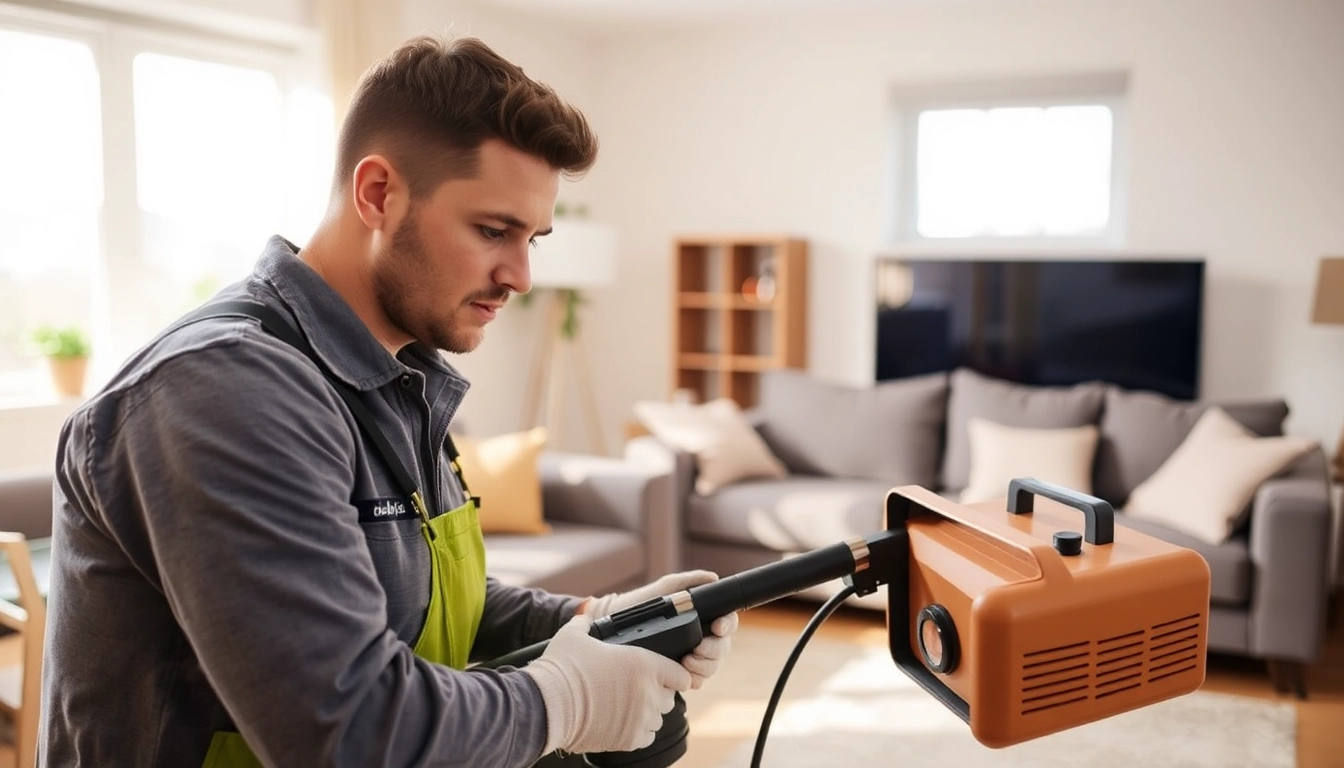
Understanding Bed Bug Heat Treatment
What is Bed Bug Heat Treatment?
Bed bug heat treatment is a pest control method effectively employed to eradicate bed bugs through elevated temperatures. This technique raises the ambient temperature of infested areas to 113°F (45°C) or higher. The primary goal is to ensure that bed bugs and their eggs are subjected to temperatures lethal to their survival. Using heat treatment has gained popularity thanks to its efficiency and non-chemical approach, making it a preferred choice for many homeowners. For effective sound management, understanding the intricacies of bed bug heat treatment is crucial.
How Does It Work?
The underlying principle of bed bug heat treatment is simple: bed bugs are sensitive to high temperatures. The treatment process involves specialized equipment that generates heat and evenly distributes it throughout the affected areas. Heat penetrates furniture, textiles, and other items, eliminating bed bugs at all life stages, from eggs to adults. The process typically requires maintaining high temperatures for several hours to ensure complete eradication. This method provides a high level of control, as well as minimizing the need for repeated treatments, unlike chemical-based solutions.
Benefits of Using Heat Treatment
One of the significant advantages of heat treatment is its effectiveness. Research indicates that heat can kill up to 100% of bed bugs when applied correctly. Other benefits include:
- Eco-Friendly: It doesn’t rely on pesticides, making it a safer option for homes with children or pets.
- Comprehensive Solution: Kills bed bugs and their eggs in one treatment.
- Rapid Results: Treatment sessions can be completed in a single day.
- Minimal Preparation: Unlike other methods, heat treatment requires limited preparation from homeowners.
Preparing for Bed Bug Heat Treatment
Assessing Infestation Levels
Before proceeding with a bed bug heat treatment, it’s critical to assess the level of infestation. This involves inspecting your home thoroughly for signs of bed bugs, including:
- Dark spots on bedding or furniture (bed bug excrement)
- Molted skins
- Live bed bugs or eggs in typical hiding spots like seams of mattresses and behind furniture.
In severe cases, professional pest controllers can assist in accurately diagnosing the infestation extent. This evaluation helps tailor the treatment plan to effectively address the specific characteristics of the infestation.
Preparing Your Home
Preparation is key to ensuring successful bed bug heat treatment. Begin by removing clutter from areas where bed bugs may hide. This includes:
- Clearing floors and surfaces.
- Removing or unearthing upholstered furniture.
- Storing away items like clothes and bedding that can be exposed to heat.
Moreover, wash linens and fabric items in hot water, and dry them on high heat to kill any potential bed bugs present. Consider creating space in rooms to facilitate proper heat distribution during treatment.
What to Expect Before Treatment
Before the heat treatment begins, a pest control technician will arrive to conduct a final inspection and make sure that the site is properly prepared. You can expect them to outline the process and timeline. Additionally, it is advisable to remove pets and plants from the treated area, as they may be sensitive to high temperatures.
Conducting Bed Bug Heat Treatment
Step-by-Step Heat Treatment Process
The actual heat treatment process follows a determined plan to ensure all areas are appropriately warmed. Key steps include:
- Setting up heaters in strategic locations for even heat distribution.
- Raising the temperature to the targeted level, typically around 135°F (57°C) or higher.
- Maintaining the elevated temperature for several hours, ensuring all spaces reach the lethal threshold.
- Cool down and ventilation period to stabilize the environment before reentering.
Tools and Equipment Used
Various tools and equipment are employed in bed bug heat treatment to achieve optimal results, including:
- Heat Chambers: Enclosed spaces where furniture can be placed to be heated uniformly.
- Thermal Sensors: Used to monitor temperatures accurately all through the treatment.
- High-Output Heaters: Powerful devices capable of maintaining sustained temperatures above 135°F.
Utilizing the right equipment ensures that all aspects of a room receive the necessary heat exposure to kill bed bugs effectively.
Maintaining Safety During Treatment
Safety is paramount during heat treatment procedures. The following measures should be adhered to:
- Ensure no flammable materials are present in the treatment areas.
- Properly seal doors and windows to prevent heat loss.
- Monitor the environment continuously to prevent overheating.
Professionals are trained to handle these processes to ensure safety while targeting effective eradication of bed bugs.
After Bed Bug Heat Treatment
Cleaning and Follow-up Steps
After the treatment concludes, a thorough cleaning of the treated space is essential. Start by vacuuming the area to remove any dead bugs and debris. Follow with laundering items that are dirtied during the treatment process. This stage is critical in preventing reinfestation.
Monitoring for Signs of Resurgence
Post-treatment monitoring is vital to ensure the infestation has been fully addressed. Look for signs like:
- New bite marks on the skin.
- Reappearance of small dark spots or cast skins on sheets or in luggage.
If signs of bed bugs return, report them to your pest control service for further evaluation and possible re-treatment.
Tips for Ongoing Bed Bug Prevention
Preventing the return of bed bugs requires vigilance. Incorporate the following strategies into your routine:
- Regular inspections of items, especially when travelling.
- Use mattress encasements to protect against bed bugs.
- Seal potential entry points, such as cracks and crevices.
Maintaining a clean, clutter-free environment significantly reduces the likelihood of re-infestation.
FAQs About Bed Bug Heat Treatment
How effective is bed bug heat treatment compared to other methods?
Bed bug heat treatment is highly effective, killing 100% of bed bugs at all life stages when conducted properly. Its efficiency often surpasses chemical treatments, requiring fewer applications.
What should I do to prepare my home before treatment?
Clear clutter, wash textiles in hot water, and notify your pest provider of any specific conditions. Pets and plants should be relocated during treatment.
Can heat treatment damage my home?
Under professional guidance, bed bug heat treatment is safe. Monitoring ensures that your home does not suffer heat-related damage, provided precautions are followed.
How long does a typical heat treatment take?
A standard bed bug heat treatment typically lasts 6 to 8 hours, varying based on infestation severity and treatment area size.
What temperature is required for effective bed bug heat treatment?
For effective extermination, temperatures must exceed 113°F (45°C), with many professionals opting for higher levels to ensure all bed bugs are killed.