
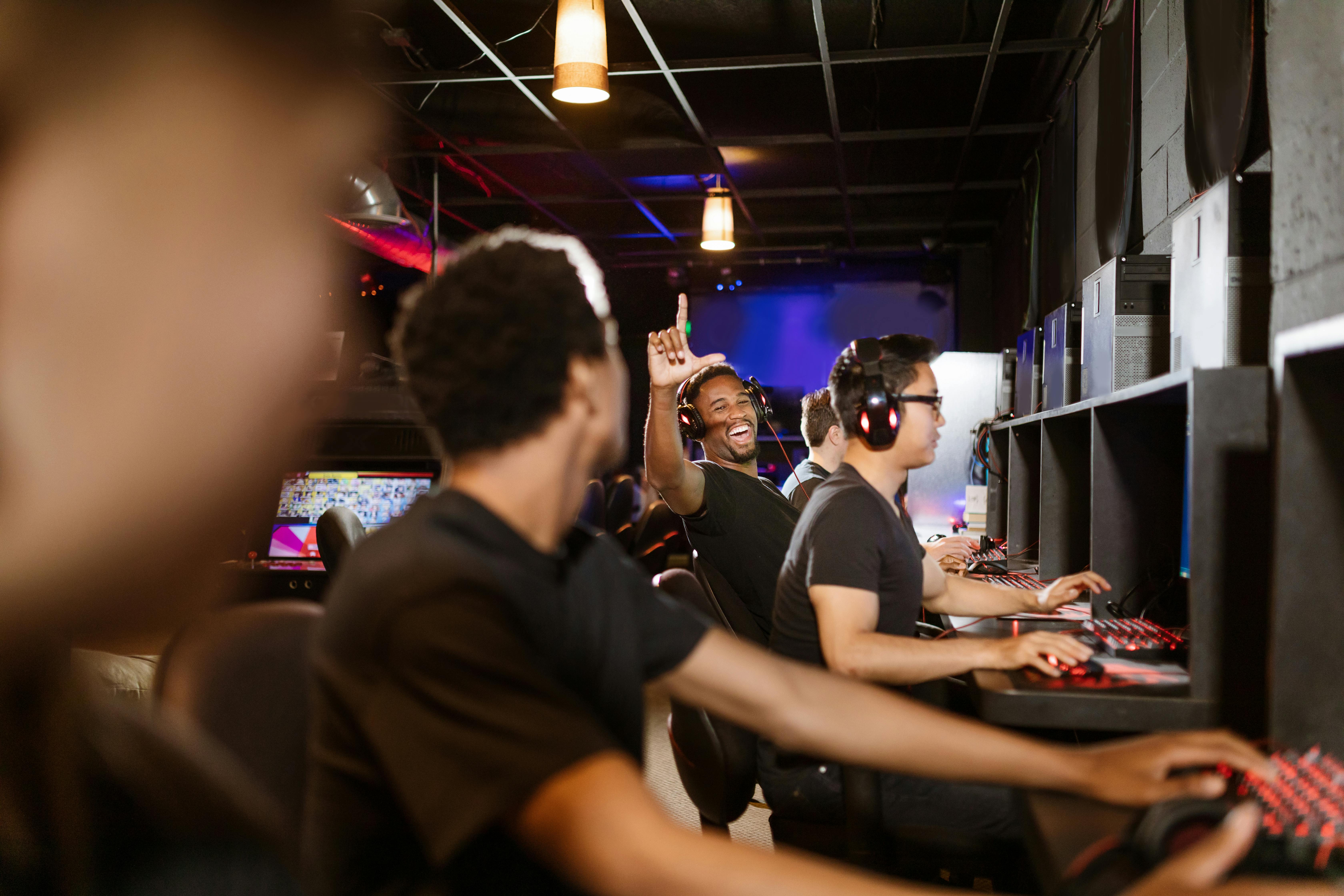
The video game industry has grown exponentially over the past decade, leading to increasingly complex game development processes. One crucial aspect of ensuring a high-quality gaming experience is outsourced game testing. Outsourcing game testing offers developers the flexibility to focus on creative development while professionals handle quality assurance (QA). By leveraging modern outsourced game testing models, companies can efficiently identify bugs, enhance gameplay, and improve overall user satisfaction.
Understanding Outsourced Game Testing
Outsourced game testing involves hiring external QA teams or companies to conduct thorough testing of video games before they reach the market. This approach allows developers to access specialized expertise, advanced testing tools, and a scalable workforce without overburdening internal teams. The primary goal of outsourced game testing is to identify defects, assess performance, and ensure compatibility across multiple platforms, devices, and environments.
Modern outsourced game testing is more than just finding bugs; it includes functionality testing, usability testing, performance evaluation, and security assessments. By employing external QA teams, developers gain a broader perspective on potential issues that may not be apparent during in-house testing.
Benefits of Outsourced Game Testing
One of the primary advantages of outsourced game testing is flexibility. External QA teams can scale their operations based on project requirements, allowing developers to adapt to fluctuating workloads without compromising quality. This flexibility is particularly beneficial for studios that work on multiple projects simultaneously or release games in seasonal cycles.
Cost efficiency is another significant benefit. Maintaining an in-house QA team with specialized skills and advanced tools can be expensive. By opting for outsourced game testing, developers can access high-quality services without the overhead costs associated with permanent staff and infrastructure.
Furthermore, outsourced game testing allows developers to leverage global expertise. Many QA providers have teams experienced in testing games across different genres, platforms, and regional markets. This ensures that the game meets international standards and appeals to a broader audience.
Types of Outsourced Game Testing Models
Modern outsourced game testing offers several models tailored to different project needs. Some of the most popular models include:
- Functional Testing: Focuses on verifying that all game features work as intended. Outsourced game testing teams conduct extensive playthroughs to detect bugs and ensure proper functionality.
- Performance Testing: Assesses how the game performs under various conditions, including stress testing and load testing. With outsourced game testing, developers can ensure smooth performance even in high-demand scenarios.
- Compatibility Testing: Evaluates how the game runs on different devices, operating systems, and screen resolutions. Outsourced game testing ensures that gamers experience consistent quality across all platforms.
- Localization Testing: Ensures that the game is culturally appropriate and linguistically accurate for international markets. Using outsourced game testing helps developers avoid costly localization errors.
- Beta Testing: Engages real players to identify issues in real-world scenarios. Many outsourced game testing providers offer structured beta testing programs to gather valuable user feedback before launch.
How to Choose the Right Outsourced Game Testing Partner
Selecting the right outsourced game testing partner is critical for maximizing efficiency and quality. Developers should consider several factors, including the provider’s experience, technical capabilities, and flexibility. An ideal partner will offer comprehensive outsourced game testing services, covering functional, performance, compatibility, and localization testing.
Communication is also crucial. Regular updates, clear reporting, and prompt issue resolution are essential components of a successful outsourced game testing partnership. Developers should look for providers who can integrate seamlessly into their workflow and adapt to evolving project needs.
Trends in Outsourced Game Testing
The landscape of outsourced game testing is evolving rapidly with technological advancements. Automation and AI-driven testing tools are becoming more prevalent, allowing QA teams to identify bugs more quickly and efficiently. Additionally, cloud-based testing platforms enable real-time collaboration and faster turnaround times.
Another trend is the focus on player-centric testing. Outsourced game testing now often includes evaluating gameplay from the perspective of end-users to ensure engaging and enjoyable experiences. This approach helps developers create games that resonate with their target audience while maintaining high-quality standards.
Conclusion
In the competitive world of game development, adopting modern outsourced game testing models is no longer optional; it’s a necessity. By outsourcing QA tasks, developers gain flexibility, cost efficiency, and access to specialized expertise, ensuring that games meet the highest standards of quality and performance. From functional and performance testing to localization and beta testing, outsourced game testing provides a comprehensive solution to the challenges of modern game development. Partnering with the right QA provider allows studios to focus on creativity while delivering polished, bug-free, and globally appealing games. Embracing outsourced game testing not only enhances the gaming experience but also accelerates time-to-market, helping studios maintain a competitive edge in the fast-paced gaming industry.