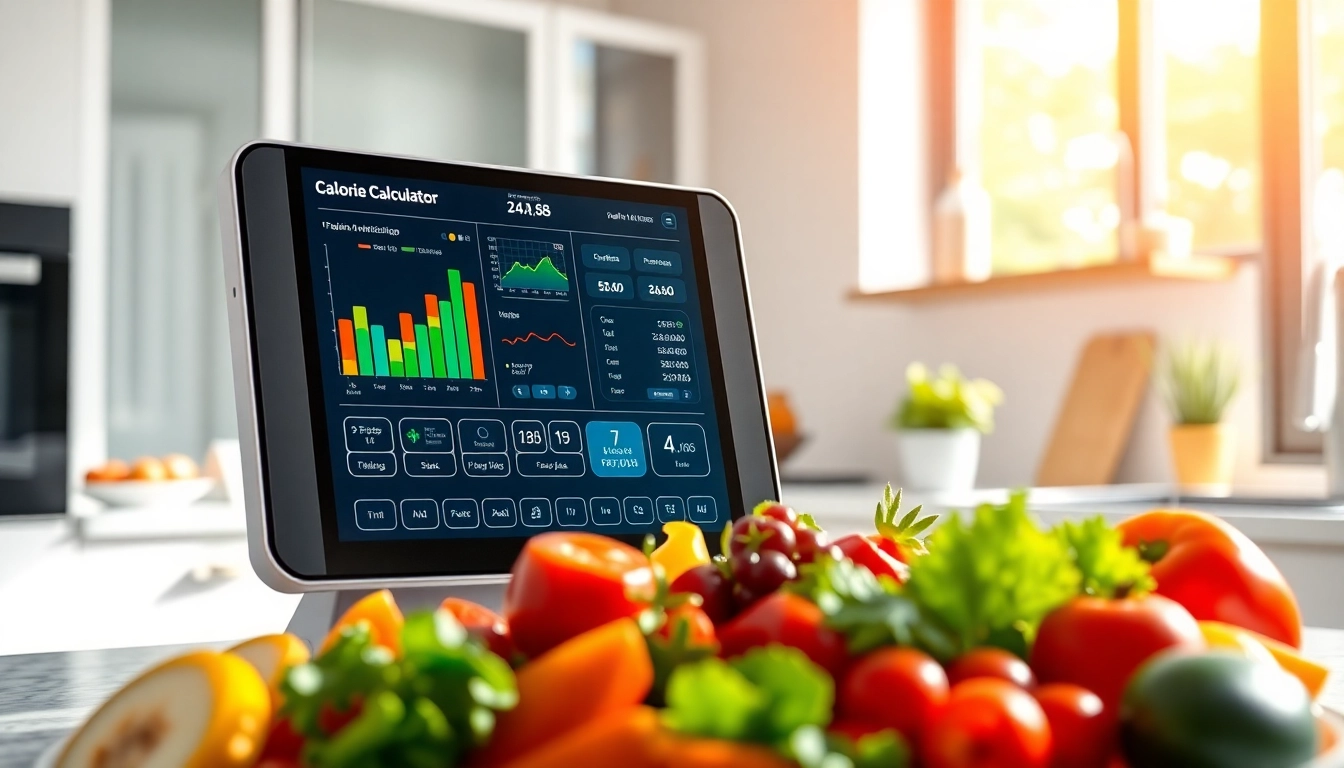
Understanding Your Daily Caloric Requirements
In today's fast-paced world, understanding how many calories you need each day is essential for maintaining a balanced and healthy lifestyle. Whether you're looking to lose weight, gain muscle, or simply maintain your current weight, knowing your daily caloric requirements is a key factor in achieving your goals. Luckily, tools like the calorie calculator can help you estimate your energy needs based on various factors.
The Science Behind Calories
Calories are units of energy that our bodies use to function. The term "calorie" refers to the amount of energy required to raise the temperature of one gram of water by one degree Celsius. In dietary terms, we often refer to kilocalories (Kcal), which are equivalent to 1,000 calories. Calories are crucial as they fuel all bodily processes, from physical activity to essential metabolic functions like breathing and digestion.
Factors Influencing Caloric Needs
Your daily caloric needs can vary significantly based on several factors:
- Basal Metabolic Rate (BMR): This is the number of calories your body needs to perform basic physiological functions at rest.
- Activity Level: Your level of physical activity, from sedentary to highly active, plays a major role in determining your caloric needs.
- Age: Metabolism typically slows down with age, leading to a decrease in caloric requirements.
- Gender: On average, men generally require more calories than women, largely due to differences in muscle mass.
- Body Composition: Muscle tissue burns more calories than fat tissue, so individuals with higher muscle mass may need more calories.
How to Use a Calorie Calculator Effectively
Using a calorie calculator can provide you with an estimate of how many calories you should consume to meet your goals. To use one effectively:
- Gather your personal information, including age, weight, height, and gender.
- Assess your activity level using predefined categories (sedentary, lightly active, moderately active, very active).
- Input this data into the calculator to receive your estimated daily caloric needs.
- Monitor your progress and adjust your intake based on changes in weight or activity level.
Different Types of Calorie Calculators
Calorie calculators come in various forms, catering to different needs and preferences. Understanding the types can help you select the best tool for your situation.
Basic Calorie Calculators Explained
Basic calorie calculators typically provide a straightforward estimation based on personal details like age, weight, height, and activity level. These calculators often use the Mifflin-St Jeor equation, a widely accepted formula that accurately reflects daily caloric requirements. They help users quickly find out how many calories they should eat to maintain their weight.
Advanced Calorie Calculators for Specific Diets
For those pursuing specific dietary goals, such as building muscle or losing fat, advanced calorie calculators are often available. These calculators might integrate macronutrient breakdowns, where you can specify how many grams of proteins, fats, and carbohydrates you want to consume. Some calculators also consider specific dietary plans like ketogenic, paleo, or vegan diets to personalize caloric intake recommendations.
Tools for Tracking Caloric Intake
In addition to estimating caloric needs, numerous apps and online platforms help track your food intake. These tools often come with extensive databases of foods, allowing users to log what they eat easily. Popular options provide nutritional information, making it simpler to maintain a balanced diet while keeping an eye on caloric consumption.
Benefits of Using a Calorie Calculator
The utilization of a calorie calculator offers numerous benefits, particularly for those invested in managing their health and achieving their fitness goals.
Weight Management and Health Goals
One of the most significant benefits of using a calorie calculator is its ability to assist with weight management. By knowing your caloric requirements, you can devise a meal plan that supports weight loss, maintenance, or gain. This precise control over calorie intake can lead to successful weight management over time.
Understanding Caloric Balance
Caloric balance is the concept of calories consumed versus calories burned. A good grasp of caloric balance helps ensure you’re not exceeding or falling below your caloric needs, which can prevent issues like weight gain or unintentional weight loss. The right calorie calculator can help maintain this balance effectively.
Making Informed Nutritional Choices
By tracking calories and understanding how different foods contribute to your daily totals, you can make more informed dietary decisions. This means you can prioritize nutrient-dense foods while being conscious of your overall caloric intake, ultimately supporting better health outcomes.
Common Mistakes When Using a Calorie Calculator
While calorie calculators are helpful, there can be pitfalls if they are not used correctly. Understanding these common mistakes can aid in achieving greater success.
Overlooking Personal Factors
A significant error many individuals make is overlooking personal factors like metabolic disorders or specific dietary needs. Relying solely on generic estimates can lead to inappropriate caloric guidelines, which may not align with one's unique requirements.
Using Inaccurate Input Data
Inputting incorrect data into the calculator is another common mistake. Accuracy in age, weight, height, and activity level is imperative to obtain a reliable caloric estimate. Regularly updating this information as you progress toward your goals is also essential.
Neglecting Dietary Balance
Focusing solely on calorie counts without considering the nutritional quality of food choices can lead to imbalances in dietary intake. It's crucial to maintain a diet rich in essential nutrients, making sure to include a variety of foods that contribute to overall health.
Advanced Strategies for Optimal Caloric Tracking
Once you understand the basics of caloric needs, you can move toward more advanced strategies to enhance your caloric tracking.
Integrating Macronutrients into Your Calculations
Understanding macronutrients—proteins, fats, and carbohydrates—can provide more robust insights into your dietary intake. By adjusting your caloric framework to ensure an adequate macronutrient balance, you can better meet specific fitness goals such as muscle gain or fat loss.
Using Apps for Enhanced Accuracy
Incorporating technology into your caloric tracking can significantly increase accuracy. Several apps allow for easy logging of meals and snacks, provide instant feedback on dietary choices, and help to visualize daily intake against goals. Many of these tools feature barcode scanners, making it easy to track packaged food items.
Regularly Updating Your Caloric Needs
Your caloric needs can shift over time due to changes in activity level, weight, or overall health status. It’s vital to reassess your caloric needs regularly to ensure your dietary regimen remains effective over time. Regular updates to your caloric calculations can keep you aligned with your health and fitness objectives.