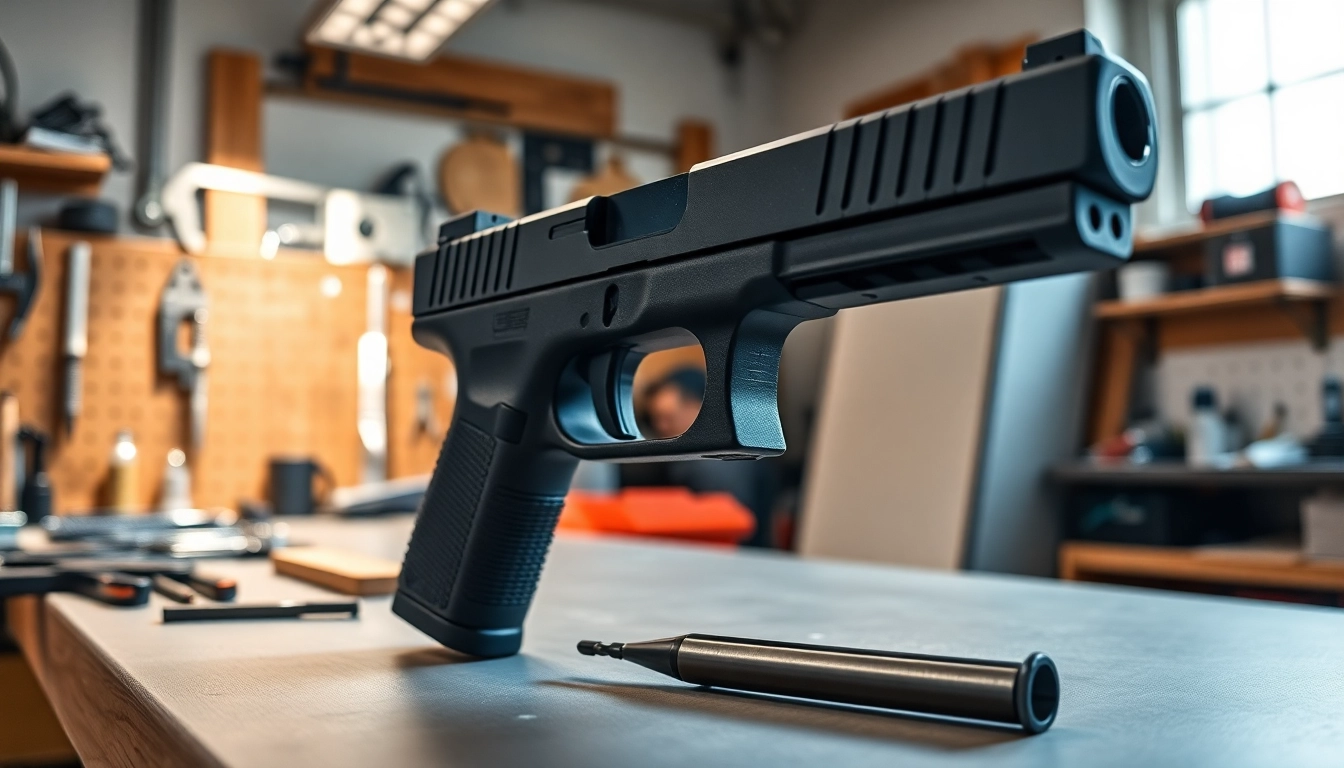
Introduction to Polymer 80 Glock 17
The Polymer 80 Glock 17 has taken the world of custom firearms by storm, offering enthusiasts and builders the chance to assemble their own unique versions of a widely beloved pistol. Building a Polymer 80 Glock 17 allows for a level of personal customization that stock firearms simply can't match. Moreover, the appeal of constructing your own firearm extends beyond mere aesthetics; it represents a hands-on approach to ownership and functionality. With the right tools, materials, and guidance, creating your own polymer 80 glock 17 can be an empowering project.
Understanding the Polymer 80 Concept
The Polymer 80 concept revolves around producing a lower receiver that is compatible with Glock components while complying with legal regulations regarding firearm assembly. Unlike traditional firearms, where the entire gun is purchased as a ready-to-use product, the Polymer 80 allows users to create their pistols using an 80% lower receiver. This means that the frame is not considered a firearm and does not require a serial number or background check until it is fully milled and assembled, offering enthusiasts the autonomy to personalize their builds.
The Benefits of Polymer 80 Frames
One of the primary advantages of using Polymer 80 frames is flexibility in design and functionality. With features like modularity, builders can select components that best fit their preferences. Additionally, the frames are constructed from high-strength polymer, providing durability while remaining lightweight. Enhanced ergonomics, such as a more customized grip angle, allows for better handling and precision shooting. Furthermore, the ease of assembly provides an opportunity for new gun owners to become familiar with firearm mechanics.
Essential Tools for Your Build
Before diving into assembly, it's crucial to gather the necessary tools. Essential tools include a drill press, rotary tool (like a Dremel), Allen wrenches, and a punch set. These will help in shaping the frame and ensuring all components are fitted correctly. Having a secure workbench, protective goggles, and gloves on hand will enhance your work experience by promoting safety and organization.
Getting Started: Essential Components
To successfully build your Polymer 80 Glock 17, you need to gather the right components. From frames to parts compatible with Glock, each component plays an essential role in functionality.
Choosing the Right Polymer 80 Kit
Selecting the appropriate Polymer 80 kit is the first step in the building process. Each kit typically comes with a frame, jig (for milling), and necessary tools for assembly. Popular kits may offer variations in design or color, allowing builders to choose what fits their vision best. When choosing a kit, consider your intended use: whether for competition, personal defense, or recreational shooting, ensure the kit aligns with your goals.
Compatible Glock Parts Overview
Understanding the essential parts that work with your Polymer 80 frame is paramount. The Glock 17 utilizes a myriad of parts, such as the slide, barrel, recoil spring assembly, and magazine. Most Polymer 80 kits are designed to accommodate Gen 3 Glock components, promoting easy sourcing of parts needed for assembly. When procuring these parts, ensure all components are compatible with the specific Polymer 80 model to guarantee a successful build.
Gathering Necessary Accessories
Beyond the essential parts, gathering accessories can enhance your overall shooting experience. For instance, aftermarket sights can elevate accuracy, and customized grips can promote better handling. Additional accessories might include extended magazines, stabilizing braces, or tactical lights. Consider personal preference when selecting accessories, as they can significantly influence performance and enjoyment.
Step-by-Step Assembly Process
Now that you're equipped with knowledge and parts, it’s time to delve into the assembly process. Follow these systematic steps carefully for a successful build.
Preparing Your Workspace
Begin by choosing a clean, well-lit workspace with ample room for your tools and components. Lay out all necessary parts and tools before starting to streamline the assembly process. Ensure your workspace is organized to minimize distractions and hazards.
Frame Assembly Steps
The first task is to mill the Polymer 80 frame. Following the instruction manual included in your kit, use the drill press to create the necessary holes. Make sure to operate the tools with precision, as the milling process is critical for ensuring proper fit and functionality. Once the frame is milled, begin assembling the internal parts according to detailed instructions, paying close attention to the proper placement of pins and springs. This careful attention to detail is what will make your custom Polymer 80 Glock function reliably.
Finalizing Your Polymer 80 Glock 17
Once the internal parts are installed, attach the slide and barrel to complete the assembly. Perform function checks to ensure your firearm operates safely and effectively. Test the trigger pull and check for properly cycling the slide before conducting live-fire tests. Don't skip this crucial step; it will ensure reliability and safety in your newly constructed firearm.
Customization Options for Your Build
Customization is key to making the Polymer 80 Glock 17 unique. From aesthetic changes to performance upgrades, options are virtually limitless.
Adding Personal Touches
Your Polymer 80 build should reflect your individuality. Choosing different frame colors or textures can personalize your firearm. Some builders opt for stippling or texturing to improve grip and enhance aesthetics. Additionally, engraving your initials or other designs can make your firearm truly one-of-a-kind.
Upgrading Performance Features
Beyond cosmetics, consider performance enhancements. Upgrading the trigger to a competition model can significantly improve shooting accuracy. New recoil spring assemblies can also change how the firearm feels and performs, enhancing the shooting experience. Research available options to suit your desired shooting style and purpose.
Finishing Touches: Painting and Coating
For those looking to go a step further, consider custom coatings or paints to protect against wear and corrosion. Cerakote is a popular option for firearm finishes, providing both protection and customization. Ensure proper cleaning and preparation, as this will influence the paint's adherence and durability.
Legal Considerations and Safety Guidelines
Building a firearm comes with an array of legal responsibilities. Understanding guidelines and regulations will help ensure compliance and safe ownership.
Understanding Firearm Regulations
Before beginning your project, familiarize yourself with local and federal firearm regulations. While building a Polymer 80 is legal in many states, certain jurisdictions may have specific requirements regarding ownership and assembly. Consult applicable laws to ensure safe and compliant firearm construction.
Best Practices for Safe Usage
Safety should always be your number one priority. When handling your newly constructed Polymer 80 Glock, adhere to safety protocols. Always treat your firearm as if it is loaded, keep the muzzle pointed in a safe direction, and ensure that nearby individuals are aware of your firearm use. Practice safe storage; a secure case or safe will protect against unauthorized access.
Resources for Legal Assistance
If you have questions regarding firearm laws, consult legal professionals who specialize in firearm regulations. Nonprofit organizations often provide resources and workshops. Online forums can be useful in connecting with knowledgeable individuals who can offer insights on navigating legal landscapes.
Frequently Asked Questions
What is a Polymer 80 kit?
A Polymer 80 kit includes an 80% lower receiver and components for building a Glock-style firearm without being classified as a firearm until fully milled.
Is building a Polymer 80 legal?
In many regions, it’s legal to build a Polymer 80 as long as local laws are followed. Always check your state and local regulations.
What tools do I need for assembly?
Essential tools include a drill press, rotary tool, wrenches, and punches, along with safety equipment like goggles and gloves.
How can I customize my Polymer 80 Glock 17?
You can customize with different grips, upgraded triggers, painting, engraving, or adding accessories like sights and lights.
Can I use Glock parts with my Polymer 80 build?
Yes, Polymer 80 frames are compatible with many Gen 3 Glock parts, allowing you to customize with aftermarket Glock components.