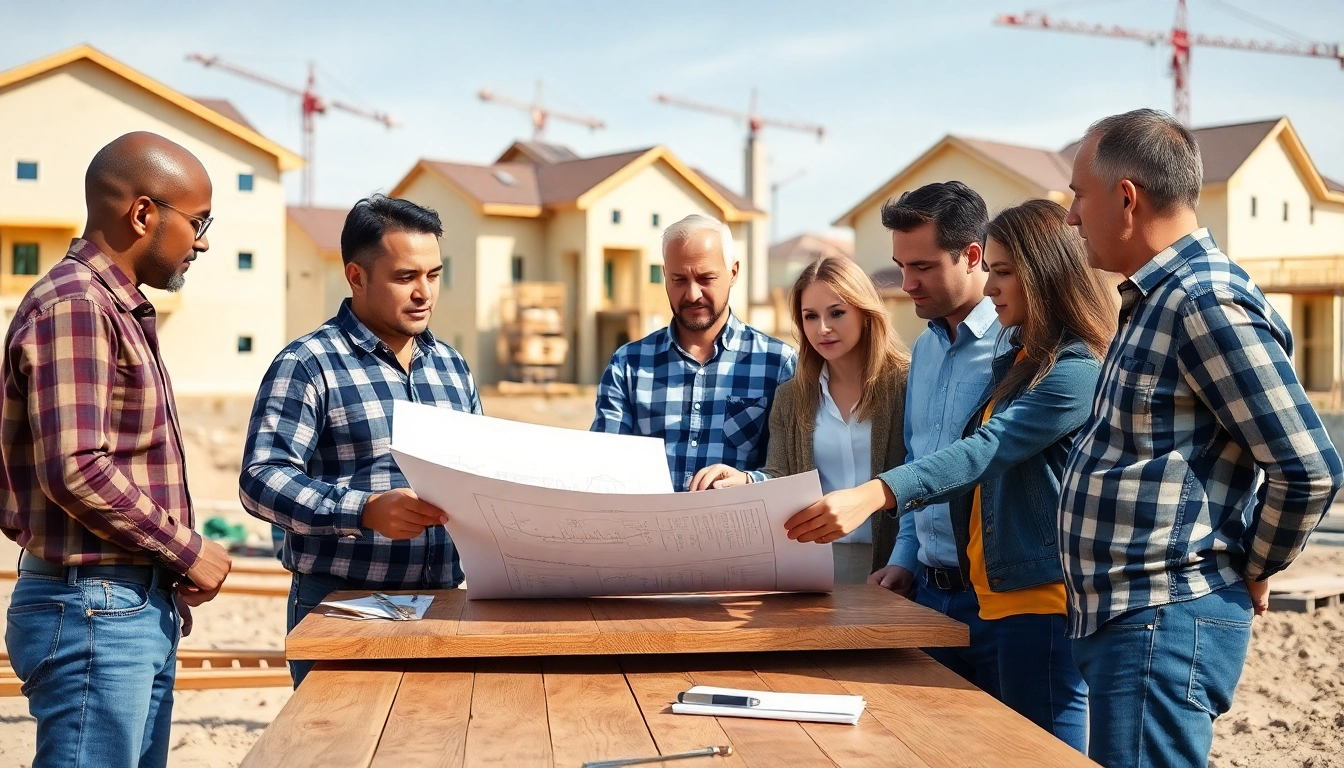
Understanding the Texas Association of Builders
History and Mission
The Texas Association of Builders (TAB) was founded in 1946 and has evolved into one of the most influential trade organizations in the state. Established to encourage the building industry, TAB enables builders to take advantage of collective strength through collective advocacy and resource sharing. The mission of the Texas Association of Builders is to enhance the quality of the building process in Texas by advocating for favorable legislation, providing education, and promoting professionalism in construction.
Through decades of dedication and growth, TAB has established itself not merely as an association but as a pivotal entity influencing policy and standards that govern the construction industry in Texas. Their commitment to excellence not only serves their members but also vastly impacts the quality of housing stock available in the state. For builders, being part of TAB means more than just networking; it is about being part of a movement that shapes the future of the building industry in Texas.
Membership Benefits
Joining the Texas Association of Builders offers a myriad of benefits tailored to meet the unique needs of builders. These include:
- Advocacy and Representation: TAB works diligently to represent the interests of builders at the local, state, and national levels, ensuring that their voice is heard on legislative issues affecting the construction industry.
- Educational Resources: Members gain access to a wealth of knowledge through seminars, workshops, and online learning resources designed to improve their business acumen and technical skills.
- Networking Opportunities: TAB hosts numerous events throughout the year where builders can connect with industry peers, potential partners, and leaders in the market.
- Business Resources: Offering tools like market research data, legal advice, and business management resources designed to help builders navigate the complexities of running a successful construction business.
- Recognitions and Awards: TAB provides an avenue for builders to gain recognition for their work through various awards programs, enhancing their reputation in the industry.
Key Initiatives and Programs
The Texas Association of Builders runs several key initiatives aimed at promoting the health and growth of the construction industry. Their programs focus on education, quality construction standards, sustainability, and innovation.
One significant initiative is the Texas association of builders's commitment to sustainability. They offer programs to educate builders about energy-efficient building practices and sustainable materials. Furthermore, these initiatives are aligned with national trends towards more eco-friendly construction methods, ensuring that Texas builders remain competitive in a rapidly evolving market.
Another paramount program is the Builder 20 Club, which provides a platform for builders to share best practices, industry trends, and challenges. This member-driven initiative fosters collaboration and encourages an exchange of ideas that continuously raises the bar for quality and innovation in home building.
Industry Trends Affecting Builders in Texas
Market Analysis and Economic Factors
The Texas construction industry is currently experiencing significant growth, driven by a booming economy and increasing demand for residential and commercial properties. Factors such as population growth, urbanization, and the influx of businesses into the state are propelling this growth forward. According to recent studies, Texas consistently ranks among the top states for new housing starts and construction opportunities.
However, several economic factors could impact this growth, including fluctuations in material costs, interest rates, and housing affordability. Builders are encouraged to keep abreast of market conditions and economic indicators as they can significantly influence demand and project viability.
Emerging Technologies in Construction
Technological innovations are redefining the landscape of the building industry. In Texas, builders are increasingly adopting new technologies that enhance productivity and efficiency. Key trends include:
- Building Information Modeling (BIM): This technology allows builders to create digital representations of physical and functional characteristics of buildings, enhancing collaboration and reducing errors.
- 3D Printing: Using 3D printing technologies, builders can construct components of buildings faster and at a lower cost, revolutionizing the construction process.
- Smart Home Technologies: The integration of IoT (Internet of Things) devices into homes is growing, providing homeowners with energy-efficient and user-friendly solutions that enhance the living experience.
Sustainability Practices
As environmental concerns continue to take center stage, sustainability practices have become a key focus for builders in Texas. The implementation of green building practices not only benefits the environment but also addresses the growing demand from consumers for energy-efficient and sustainable homes.
Builders are increasingly utilizing sustainable materials, incorporating water-saving fixtures, and enhancing the energy efficiency of new constructions. TAB supports its members in these endeavors by providing resources and certifications for green building practices. Such initiatives not only help in reducing the carbon footprint but can also lead to significant cost savings over time.
Challenges Facing Builders in Texas
Regulatory Compliance
For builders operating in Texas, compliance with local, state, and federal regulations remains a significant challenge. Building codes, environmental regulations, and labor laws are constantly changing, making it crucial for builders to stay informed and compliant to avoid penalties. Navigating regulatory landscapes can be complex, and even minor oversights can lead to costly delays and fines.
The Texas Association of Builders plays a crucial role in helping members understand and adapt to these regulations through educational resources and advocacy efforts, ensuring that builders can navigate compliance issues efficiently.
Labor Shortages and Workforce Development
Labor shortages represent one of the most pressing challenges facing the construction industry today. Texas, with its rapid growth, has been particularly affected by the lack of skilled labor. The demand for workers outpaces supply, leading to increased wages and project delays. Moreover, the aging workforce raises concerns about the long-term sustainability of skilled labor in the industry.
In response, TAB is actively working on workforce development initiatives, partnering with educational institutions to create training programs that equip individuals with the skills necessary for today's construction jobs. By encouraging diversity and inclusion within the workforce, the industry can create a sustainable labor pool for the future.
Supply Chain Issues
The construction industry is also grappling with supply chain disruptions that have escalated due to recent global events, such as the COVID-19 pandemic. Builders in Texas face increased lead times and higher material costs, impacting project timelines and budgets. Understanding the dynamics of the supply chain and its implications on available resources and procurement strategies is essential for builders to plan effectively.
TAB provides members with updated insights on supply chain management, helping them to mitigate risks and develop contingency plans that minimize the impact of supply chain fluctuations on their projects.
Best Practices for Builders
Effective Project Management Techniques
Efficient project management is critical for builders aiming to deliver quality work within deadlines and budgets. Implementing effective project management techniques can lead to significant improvements in overall project performance. Key strategies include:
- Set Clear Goals and Objectives: Define the project scope, timelines, and deliverables from the onset to maintain focus and clarity throughout the construction process.
- Utilize Project Management Software: Tools that facilitate scheduling, budgeting, and communication can streamline processes and improve transparency among stakeholders.
- Regularly Monitor Progress: Establishing checkpoints throughout the project allows for the assessment of timelines, budget adherence, and quality control, enabling timely interventions when necessary.
Quality Assurance Practices
Maintaining high-quality standards is essential to building a reputable brand in the construction industry. Adopting quality assurance practices helps ensure that projects meet or exceed client expectations. These include:
- Implement Robust Inspection Processes: Regular inspections at various construction stages can help catch issues early, preventing costly reworks later.
- Use High-Quality Materials: Investing in quality materials can not only ensure the durability of the constructed buildings but also enhance the overall reputation of the builder.
- Gather Client Feedback: Soliciting feedback from clients after project completion helps identify areas for improvement and demonstrates commitment to quality service.
Community Engagement Strategies
Engaging with the community is paramount for builders to foster a positive reputation and promote their projects. Effective community engagement strategies include:
- Participate in Local Events: Builder involvement in local events fosters relationships with community members and enhances visibility.
- Conduct Outreach Programs: Educational workshops, sponsorship of school events, and offering internships can help builders connect with the community and inspire future generations towards careers in construction.
- Collaborate with Local Governments: Working together with local authorities on community development projects demonstrates a commitment to community resilience and growth.
Future Outlook for the Texas Building Industry
Predictions for Growth and Development
The future of the construction industry in Texas looks promising, driven by sustained demand for new housing and commercial properties. Demographics point towards continued population growth, particularly in urban areas like Austin, Dallas, and Houston, creating ongoing opportunities for builders. Industry analysts predict that this trajectory will continue, provided builders adapt to emerging trends and evolving consumer preferences.
Additionally, advancements in technology and sustainability practices will shape the future landscape. Builders who embrace innovation and prioritize eco-friendly practices will likely find themselves well-positioned to thrive.
Influence of Economic Policies
Economic policies play a significant role in shaping the building landscape. Government initiatives aimed at infrastructure investment, rural development, and housing tax incentives can provide substantial advantages to builders in Texas. Understanding and leveraging these policies is crucial for builders aiming to maximize opportunities and influence their competitiveness in the market.
Furthermore, TAB's advocacy for pro-builder policies ensures that the interests of Texas builders remain represented in legislative discussions, contributing to sustained growth in the industry.
Role of the Texas Association of Builders in Shaping the Future
The Texas Association of Builders will continue to play a pivotal role in not just supporting builders but also in shaping the direction of the industry. Through advocacy, education, and the promotion of best practices, TAB ensures that its members are well-equipped to face challenges and seize opportunities in the future.
As the industry evolves, TAB's ongoing commitment to innovation and collaboration will be vital in addressing emerging trends, such as sustainability, workforce development, and technological advancements, thus ensuring the long-term vitality of the Texas building industry.