
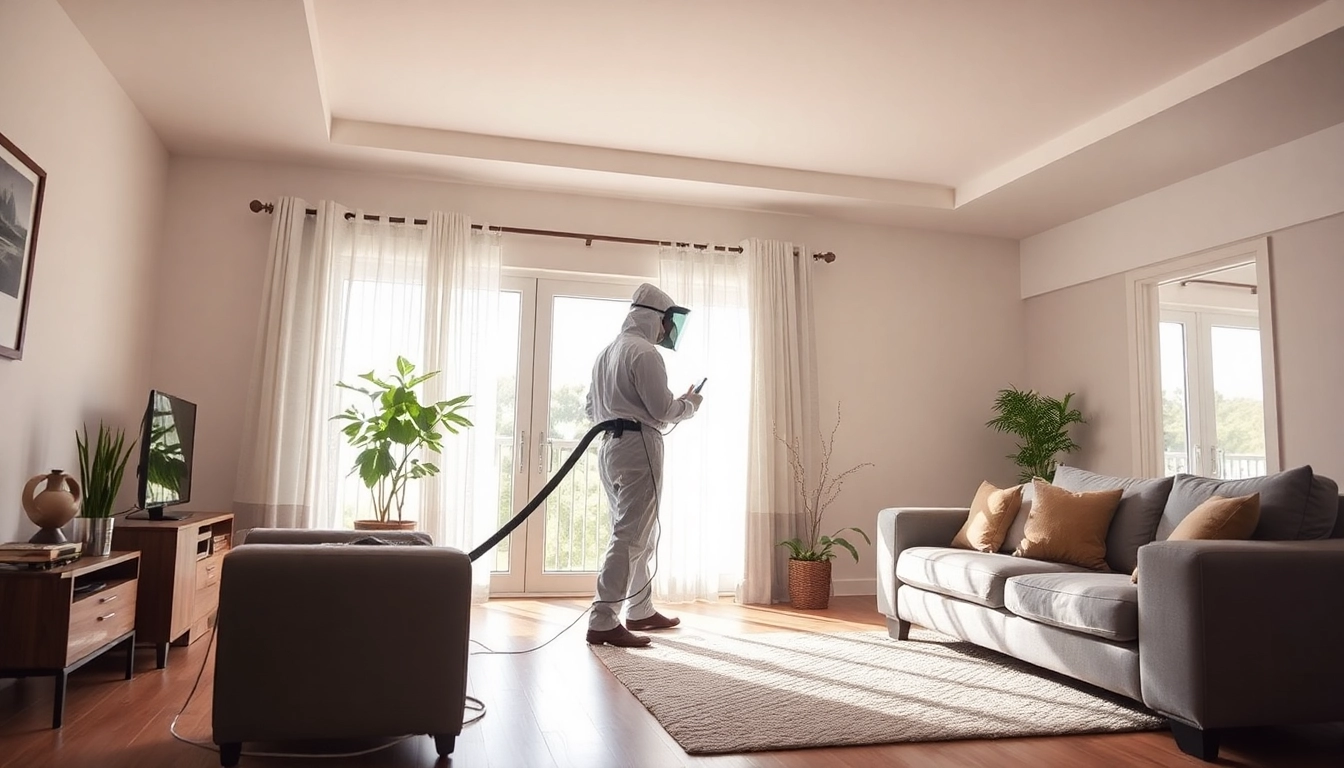
Understanding Bed Bug Heat Treatment
What is Bed Bug Heat Treatment?
Bed bug heat treatment is a method used to eliminate bed bugs, a common household pest. This process involves raising the temperature within an infested space to levels that are lethal to bed bugs at all life stages—from eggs to adults. Typically, temperatures are escalated to around 120°F to 140°F, which is well above the threshold that these pests can withstand. The sustained high temperature effectively eradicates these resilient bugs without the need for harsh chemicals.
How Does It Work?
The process of bed bug heat treatment relies on thermodynamic principles to incapacitate bed bugs. Heated air is circulated throughout the treatment area, ensuring that every corner, including places that are notoriously difficult to reach like cracks and crevices, receives adequate heat. The duration of the treatment usually lasts anywhere from six to eight hours, depending on several factors like the size of the area and the level of infestation. For maximum effectiveness, heaters are often placed strategically to eliminate cold spots where bed bugs may seek refuge.
Benefits of Bed Bug Heat Treatment
Bed bug heat treatment offers numerous benefits. Primarily, it is a chemical-free method, making it safer for human occupants and pets. Additionally, it acts quickly to eliminate bed bugs, often with immediate results. Because heat can reach all areas—including textiles and furniture that might harbor eggs or nymphs—this method is particularly effective. Another significant advantage of heat treatment is its ability to kill bed bugs that have developed resistance to chemical pesticides, offering a more comprehensive solution to liberation from these pests.
Preparing for Bed Bug Heat Treatment
Steps to Prepare Your Home
Preparation is critical to the success of a bed bug heat treatment. Homeowners should follow a systematic approach to ensure that the treatment is effective. Here are the essential steps:
- Declutter: Remove unnecessary items from rooms, especially bedrooms, to provide easy access for heaters and technicians.
- Launder Linens: Wash all bedding, clothing, and soft furnishings on high heat to kill any lingering bugs or eggs.
- Clear Out Extreme Heat Sensitive Items: Items like candles, plants, and electronics should be moved out of the treatment zone.
- Inform Residents: Notify any potential occupants about the treatment plan, as they will need to vacate the premises for several hours.
- Seal Cracks: Where possible, seal up larger gaps to prevent heat loss, which could undermine treatment efficacy.
Essential Items to Remove
Prior to treatment, certain items must be removed from the premises to protect them from potential heat damage. These include:
- Electronics (TVs, computers)
- Artwork and paintings
- Plants and sensitive vegetation
- Medication and medical supplies
For more sensitive items guaranteed protection, consider discovering safe locations outside your home until the treatment is complete.
What to Expect During Treatment
During the heat treatment, a licensed professional will monitor the temperature within your home closely. Heaters are set up and will be operational for several hours until the desired temperature is reached. Homeowners should expect to be out of the treated area for the duration, typically six to eight hours. Technicians will confirm the heat has penetrated all areas effectively before giving the all-clear sign. Post-treatment assessments will also assist in determining if any follow-up actions are necessary.
Effectiveness of Bed Bug Heat Treatment
Success Rates Compared to Other Methods
Bed bug heat treatment boasts high success rates, often exceeding 90% when conducted by trained professionals. Compared to chemical pesticides, which may only address adult bed bugs and miss hidden eggs, heat treatment serves as a more holistic solution—effectively targeting all life stages. Studies have shown that where chemical treatments may fail due to resistant populations, heat maintains efficacy by being a physical method of extermination.
Factors Affecting Effectiveness
Several variables can influence the effectiveness of a bed bug heat treatment, including:
- Room Insulation: Well-insulated spaces maintain heat better, facilitating a more thorough treatment.
- Duration of Treatment: Inadequate time may not allow heat to penetrate all infested areas properly.
- Initial Infestation Level: Heavily infested spaces might require repeated treatments to ensure complete eradication.
Homeowners must take these factors into account when preparing for and conducting treatments.
Common Misconceptions
Despite the many benefits of bed bug heat treatment, several misconceptions persist. A common belief is that heat treatment kills only the bed bugs present during treatment. In reality, it eliminates all life stages present at the time, including eggs that remain viable under normal conditions. Another misunderstanding is the safety of the process; properly controlled heat treatment is safe for the home and does not damage furnishings when conducted correctly.
Post-Treatment Care and Prevention
Inspecting for Remaining Bed Bugs
Even after a successful heat treatment, vigilant inspection is critical. Homeowners should monitor for signs of bed bugs for weeks following treatment. Inspecting for exoskeletons or fresh bites, as well as making use of bed bug detection tools, can offer further assurance that the treatment was successful. Regularly laundering bedding and maintaining cleanliness reduces the risk of future infestations.
Best Practices for Long-term Prevention
Following treatment, several best practices can help prevent future infestations. These include:
- Regular Inspections: Monitor areas where bed bugs can enter, like seams in mattresses and upholstered furniture.
- Declutter: Avoid allowing belongings to accumulate, as this can provide hiding spots for bed bugs.
- Use Protective Covers: Encase mattresses and box springs with bed bug-proof covers to create a barrier.
Implementing these steps can aid in maintaining a bed bug-free environment effectively.
Signs of a Potential Re-infestation
Awareness of potential signs of re-infestation is crucial. Indicators to watch for include:
- New Bites: Unexplained bite marks can be an early indication of bed bugs returning.
- Fecal Stains: Small dark spots on linens or mattresses may suggest active infestations.
- Sheds: Finding shed skins or eggs is also a strong sign that a re-infestation may be occurring.
FAQs About Bed Bug Heat Treatment
1. How long does the treatment take?
Bed bug heat treatment typically takes around 6 to 8 hours. This allows the temperature to rise adequately and eliminate all life stages of bed bugs.
2. Is heat treatment safe for my belongings?
Yes, bed bug heat treatment is generally safe for your belongings. However, sensitive items may need to be removed or inspected beforehand to prevent heat damage.
3. How often should I get a heat treatment?
Follow-up treatments are recommended if signs of bed bugs persist. Consult a pest control professional for tailored advice based on your situation.
4. Can I do a heat treatment myself?
While DIY heat treatment options exist, professional services are recommended to ensure safe and effective temperature control unseen in household applications.
5. Will heat treatment damage my home?
Properly executed heat treatments are safe for your home. Professionals monitor temperatures closely to prevent damage while effectively targeting pests.