
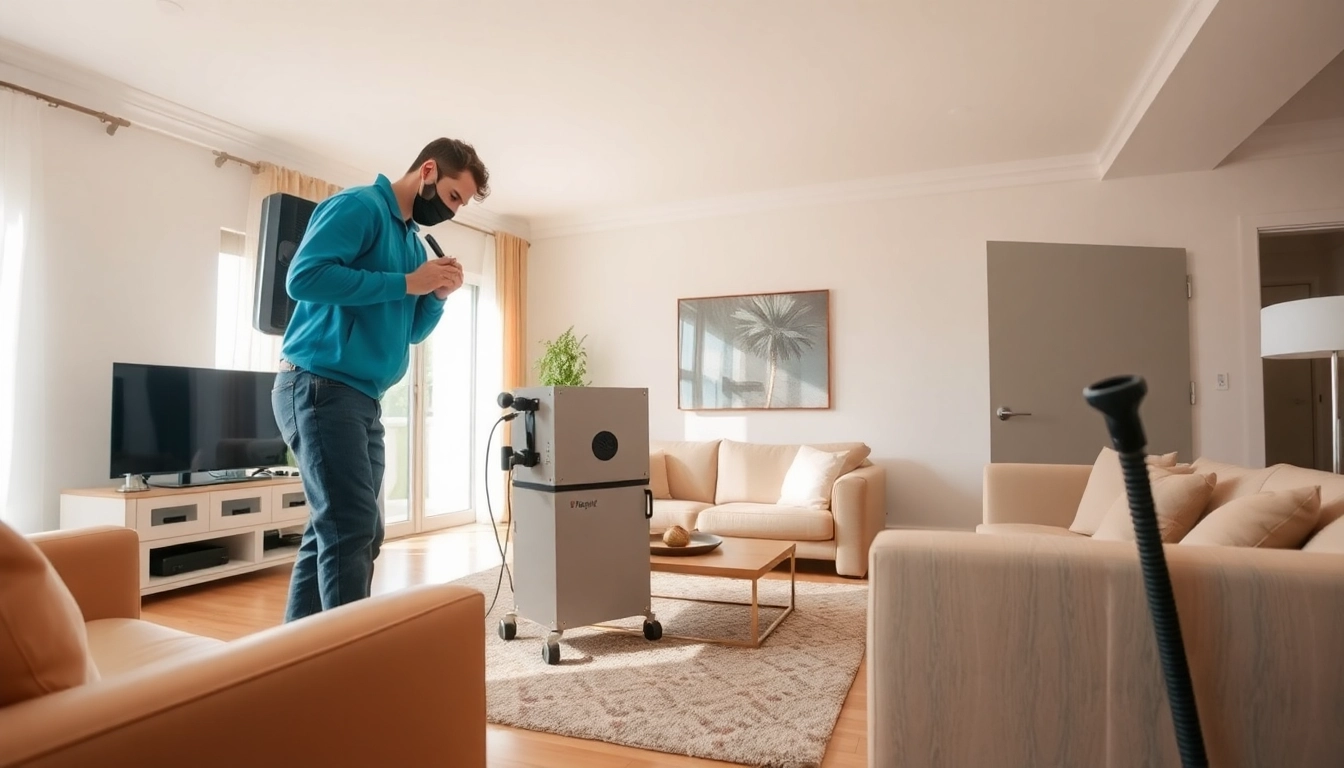
Understanding Bed Bug Heat Treatment
What is Bed Bug Heat Treatment?
Bed bug heat treatment is a pest control method that utilizes high temperatures to eliminate bed bugs and their eggs effectively. This approach capitalizes on the natural sensitivity of these pests to temperature changes, employing heat as a means of extermination. By raising the ambient temperature of an infested space to levels lethal for bed bugs—usually between 120°F to 140°F—this treatment method targets all life stages of the insects, including the notoriously resilient eggs.
Unlike traditional chemical treatments, bed bug heat treatment is a non-toxic alternative, making it a preferred choice for environments where chemical exposure is a concern. More homeowners and businesses are opting for this method, as it not only kills bed bugs effectively but also provides a comprehensive solution when paired with other pest management strategies. Ensuring proper implementation and preparation is crucial for achieving success with bed bug heat treatment.
How Does It Work?
The heat treatment process involves the systematic heating of the infested area using specialized equipment to generate consistent heat distribution. Devices such as electric heaters, fans, and thermal blankets are commonly used to reach the necessary temperatures. The critical aspect is maintaining this elevated temperature for a sufficient period, usually ranging from several hours to ensure complete extermination.
During the treatment, the indoor environment is often monitored to maintain optimal heat levels throughout the area. Bed bugs can withstand lower temperatures; however, exposure to temperatures above 113°F for at least 90 minutes is generally lethal for the pests. Higher temperatures reduce the necessary exposure time, which is why many technicians aim for temperatures around 135°F-140°F for effective results in a more condensed timeframe.
Benefits of Heat Treatment for Bed Bugs
Using heat treatment offers various benefits over traditional chemical extermination methods:
- Environmentally Friendly: This method eliminates the need for toxic pesticides, making it safer for children and pets.
- Comprehensive Coverage: Heat penetrates into cracks, crevices, and other hard-to-reach areas, killing bed bugs in all life stages.
- Speed of Treatment: Results can be achieved within hours, significantly quicker than some chemical treatments that require multiple applications.
- Resistance Management: Heat eliminates the risk of bed bug populations developing resistance, which can occur with chemical treatments.
Preparation for Bed Bug Heat Treatment
What to Expect Before Treatment
Prior to undergoing a bed bug heat treatment, it is essential to have an understanding of what the process involves. Technicians will arrive at your location to perform an assessment of the property. This initial evaluation helps identify infestation levels and plan an appropriate heat strategy. Homeowners will also receive guidance on preparation steps to ensure the procedure’s effectiveness.
Essential Items to Remove
Before treatment occurs, several essential items need to be removed from the treatment area to facilitate the process:
- All electronics that may be sensitive to heat should be relocated or adequately covered.
- Houseplants and any items containing flammable materials should be taken outside or removed from the vicinity.
- Clothing, bedding, and curtains should also be laundered or placed in hot dryers to help eliminate any hidden bed bugs.
- Remove any personal items such as decorations, photos, and knick-knacks to prevent damage.
Creating an Optimal Environment
Creating an optimal environment for heat treatment is essential for its success. This involves ensuring that all heat sources are set up effectively, and the space is well insulated. Sealing windows and doors can help contain the heat, preventing it from escaping into outside environments. Proper airflow within the area is also crucial, as it allows heat to move efficiently throughout the space, reaching every corner where bed bugs may hide.
Implementing Bed Bug Heat Treatment
Equipment Required for Success
The effectiveness of bed bug heat treatment largely depends on the right equipment. Typical equipment includes:
- Electric Heaters: Designed to generate high temperatures and effectively target bed bugs.
- Thermal Blankets: Used to insulate furniture and other items, ensuring they reach the necessary temperatures.
- Temperature Sensors: Devices that monitor and record temperatures within different zones of the treatment area.
- Fans: Essential for enhancing airflow and promoting heat distribution throughout all corners of the space.
Step-by-Step Guide to Heat Treatment
Implementing a heat treatment involves several critical steps:
- Setup: Position heaters and install temperature sensors throughout the space.
- Preheat: Gradually raise the temperature to the target range, ensuring thorough coverage of the area.
- Maintain: Stabilize the temperature for several hours, usually between 135°F and 140°F.
- Cooling: Gradually cool the area after the treatment, allowing people to reenter safely.
Preventing Heat Loss During Treatment
Preventing heat loss during the treatment is vital for ensuring that all areas reach extermination temperatures. Here are some strategies:
- Utilize insulation blankets over furniture and other items to retain heat.
- Seal gaps in windows and doors with temporary barriers.
- Close vents and ducts to minimize heat loss to other areas.
Post-Treatment Care and Maintenance
Signs of Successful Bed Bug Elimination
After treatment, there are several signs that can indicate successful bed bug elimination. These include:
- Absence of live bed bugs or bug excrement.
- No new bites appearing on occupants.
- Deceased bed bugs or evidence of them in their hiding spots.
Follow-up and Monitoring Techniques
Post-treatment, follow-up inspections are crucial. It’s advisable to schedule regular inspections to monitor for any resurgence. Setting up bed bug monitoring devices can help detect any future activity and take action promptly.
Best Practices for Bed Bug Prevention
To prevent future infestations, consider implementing the following practices:
- Avoid picking up discarded furniture or bedding that could harbor bed bugs.
- When traveling, inspect hotel rooms and keep luggage off the floor.
- Regularly check home for signs of bed bugs, particularly after having guests.
FAQs About Bed Bug Heat Treatment
How long does the heat treatment take?
The duration of a bed bug heat treatment typically lasts between 6 to 8 hours, depending on the size of the area being treated and the degree of infestation.
Is bed bug heat treatment safe for children and pets?
Yes, after the treatment, it’s safe for children and pets to return, as long as all precautions have been followed and the area has cooled down adequately.
What temperature is effective for killing bed bugs?
Bed bugs begin to die at temperatures exceeding 113°F, but most treatments aim for 135°F-140°F for thorough extermination.
Can I stay in my home during the treatment?
It is recommended that you vacate the premises during the heat treatment to ensure safety and effectiveness of the process.
How often should I perform bed bug heat treatments?
Regular monitoring is essential; if infestations are detected, treatments should be performed as soon as possible, ideally once every year as a preventive measure in high-risk areas.