
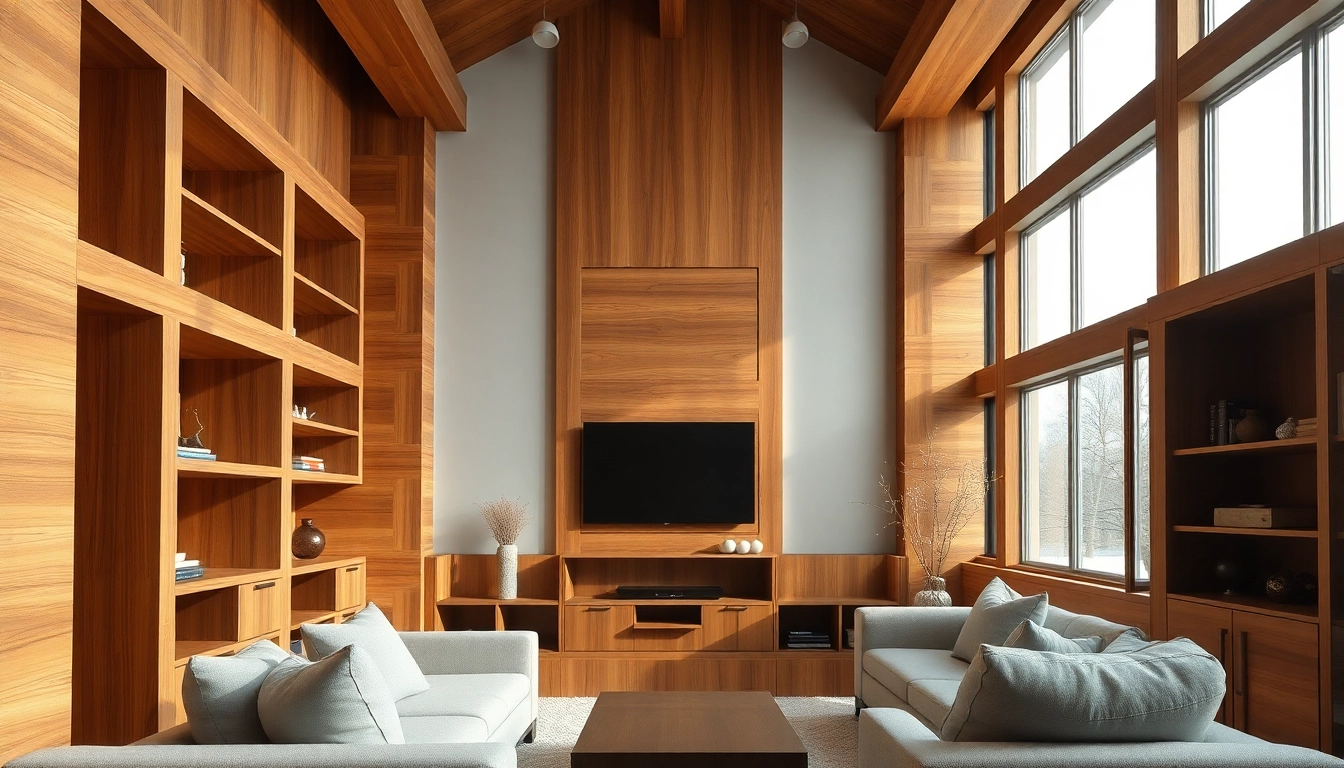
Understanding Interior Architectural Woodwork
Definition of Interior Architectural Woodwork
Interior architectural woodwork encompasses the various crafted wood elements incorporated into the interiors of a building. This includes features such as moldings, trim, cabinetry, paneling, and bespoke furniture, all designed to improve both aesthetics and functionality. The integration of interior architectural woodwork plays a crucial role in defining the visual character of a space while meeting the practical needs of its occupants.
Historical Significance
Throughout history, wood has served as a primary material in architectural design. Ancient civilizations harnessed the beauty and utility of wood for interior spaces, often crafting intricate designs that showcased artistry and craftsmanship. From the ornate wood paneling of the Renaissance to the simple, functional designs of the mid-20th century, the evolution of interior architectural woodwork has mirrored broader architectural trends. The skills and techniques developed over centuries have influenced modern practices, yet the fundamental aesthetic appeal of wood remains timeless.
Distinct Features and Styles
Interior architectural woodwork is characterized by a diverse range of styles and features, each chosen to evoke particular atmospheres and functionalities in a space. Key styles include:
- Traditional: Often featuring rich wood tones, detailed carvings, and ornate moldings.
- Contemporary: Emphasizes minimalism and clean lines, focusing on the natural grain of the wood.
- Rustic: Incorporates reclaimed wood and provides a cozy, natural feel ideal for informal settings.
- Industrial: Blends raw aesthetics with functional design, using untreated wood for a high-impact visual.
These styles can be adapted to fit a variety of architectural frameworks, allowing for endless customization and innovation.
Benefits of Interior Architectural Woodwork
Enhancing Aesthetic Appeal
One of the most significant benefits of incorporating interior architectural woodwork is the enhancement of aesthetic appeal. Wood is inherently attractive, bringing warmth and richness to any environment. Well-executed woodwork can serve as the focal point of a room, drawing the eye and elevating the overall design narrative.
Improving Space Functionality
Interior architectural woodwork can also significantly improve the functionality of a space. Custom cabinetry and shelving units make the best use of available square footage, ensuring that environments are not only beautiful but also practical. Features such as built-in benches, storage solutions, and multi-functional furniture exhibit how woodwork can optimize spatial efficiency.
Value Addition to Properties
Investing in quality interior architectural woodwork can be a strategic decision that adds considerable value to a property. Well-designed wood elements tend to attract buyers and renters alike, often leading to quicker sales and higher appraisals. The uniqueness and craftsmanship associated with custom woodwork often position properties as more desirable in competitive real estate markets.
Materials Used in Interior Architectural Woodwork
Types of Wood and Their Properties
The choice of wood type greatly impacts the durability, functionality, and aesthetics of architectural woodwork. Commonly used woods include:
- Oak: Known for its hardness and longevity; exhibits a prominent grain pattern.
- Maple: Offers a smooth surface and resistance to wear, making it ideal for cabinetry.
- Cherry: Deepens in color with age, providing an elegant finish for furniture and trim.
Each wood type offers distinct features that can be tailored to meet specific design goals.
Eco-Friendly Alternatives
With a growing emphasis on sustainability, many designers and architects are opting for eco-friendly alternatives. Reclaimed wood, sourced from old structures, not only has a unique character and story but also significantly lowers the environmental impact of new woodwork. Additionally, sustainably harvested wood, certified by organizations such as the Forest Stewardship Council (FSC), is becoming increasingly popular for interior applications.
Finishes and Textures
The finish applied to architectural woodwork defines its final appearance and durability. Options range from stains, which enhance the natural grain, to paints that can completely alter the visual scheme. Natural oils and polyurethane create protective barriers, enhancing longevity while maintaining the wood’s beauty. Textural elements such as rough-sawn surfaces or smooth finishes can also influence the tactile experience of a space.
Designing with Interior Architectural Woodwork
Incorporating Woodwork into Different Styles
Designing with interior architectural woodwork requires a thoughtful approach to ensure cohesion with the overall aesthetic of a space. For example, in a modern minimalist design, simple paneling and understated moldings can create elegance without overpowering other design elements. In contrast, traditional settings benefit from detailed woodworking and intricate moldings that convey a sense of history and craftsmanship.
Custom vs. Pre-Fabricated Woodwork
When deciding between custom and pre-fabricated woodwork, several factors should be considered. Custom woodwork offers the advantage of personalized design and specific adaptations to fit unique spaces. However, it often comes at a higher cost and longer lead times. On the other hand, pre-fabricated options may lack the individuality that many homeowners desire but can be a more budget-friendly selection without sacrificing too much on quality or appearance.
Looking at Trends and Inspirations
Staying updated on design trends can provide inspiration for new and exciting ways to incorporate interior architectural woodwork. Current trends include the blend of wood with mixed materials, such as metal and glass, creating striking contrasts without compromising warmth. Additionally, the use of open shelving in kitchens and living spaces is becoming more popular, allowing woodwork to serve both functional and decorative purposes.
Maintenance of Interior Architectural Woodwork
Essential Care Tips
Proper maintenance is crucial to preserving the beauty and integrity of interior architectural woodwork. Essential care tips include regular dusting to prevent buildup and using a soft cloth to polish the surfaces periodically. It’s also advisable to avoid harsh chemicals or abrasive materials that could damage finishes. For areas prone to moisture, consider using dehumidifiers to prevent warping or mold.
Common Issues and Solutions
Common problems with woodwork include scratches, dents, and water damage. For minor scratches, a specialized wood repair kit can be effective in restoring the surface. Dents can often be removed with careful application of steam. Water damage, however, may require more careful repairs, potentially involving refinishing or professional restoration services to ensure the best outcome.
Long-Term Preservation Practices
To ensure long-term preservation of interior architectural woodwork, consider investing in humidity control measures, as extreme fluctuations can cause wood to expand and contract. Additionally, applying a protective finish every few years can help to guard against wear and staining, maintaining the wood’s elegance while extending its lifespan.
FAQs about Interior Architectural Woodwork
What is interior architectural woodwork?
Interior architectural woodwork refers to finished wood elements in a building’s interior that enhance its aesthetics and functionality.
What types of wood are best for interior woodwork?
Popular choices include oak, maple, and cherry due to their durability and aesthetic appeal, each offering unique characteristics.
How can interior architectural woodwork add value to a home?
Well-crafted woodwork enhances the beauty and functionality of spaces, often resulting in higher property values and buyer interest.
Are there eco-friendly options for woodwork?
Yes, reclaimed wood and sustainably sourced materials are excellent eco-friendly options, reducing environmental impact.
How should I maintain my interior architectural woodwork?
Regular dusting, occasional polishing, and avoiding excessive moisture can help preserve the beauty and longevity of woodwork.