
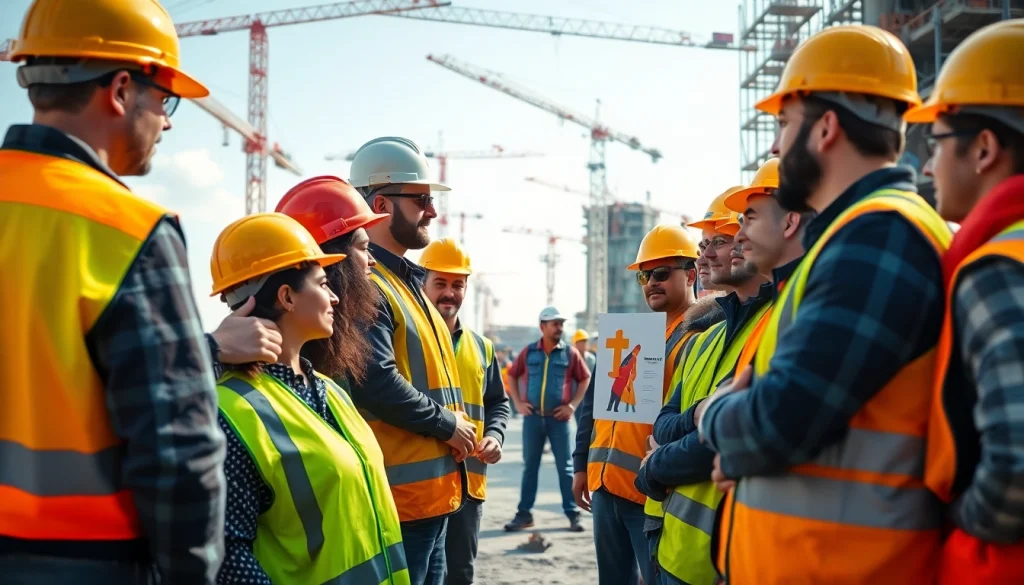
Understanding the Importance of Construction Safety Training
In the dynamic environment of construction, safety is paramount. Proper construction safety training equips workers with the knowledge and skills necessary to manage risks, prevent accidents, and ensure a safer workplace. As the construction industry continues to evolve with new technologies and methodologies, the necessity for robust safety training programs becomes even more critical.
What Is Construction Safety Training?
Construction safety training refers to the education programs designed specifically for individuals working in the construction industry. These programs cover a wide range of topics, including hazard recognition, use of personal protective equipment (PPE), emergency response protocols, and best practices for safe operations on construction sites. Effective training not only promotes awareness but also instills a culture of safety that can save lives and reduce injuries.
Why Safety Training Matters for Workers
The importance of construction safety training cannot be overstated. Workers who undergo comprehensive training are better prepared to identify and respond to hazards they may encounter on the job. This preparation leads to a significant reduction in workplace injuries, which can improve morale and productivity. Additionally, training fosters a proactive approach to safety, encouraging workers to take responsibility for their own safety and that of their colleagues.
Regulatory Framework and Compliance Requirements
In many regions, compliance with safety training regulations is not simply advisable; it is a legal requirement. Agencies such as the Occupational Safety and Health Administration (OSHA) in the United States outline specific standards that construction companies must follow. Understanding these regulations is crucial for employers, as non-compliance can result in severe penalties, increased insurance costs, and even loss of business. Training programs should align with these standards to ensure both legal compliance and the safety of workers.
Key Components of an Effective Construction Safety Training Program
Identifying Hazards and Risks on the Jobsite
The foundation of any successful safety training program is the identification of potential hazards. Employers should conduct thorough job hazard analyses (JHAs) to pinpoint risks specific to their work environment. This process involves examining equipment, work processes, and environmental factors that could threaten worker safety. Recognizing hazards is not a one-time event; continuous reassessment is necessary, as project scopes and conditions evolve.
Creating a Safety Training Curriculum
A well-structured training curriculum is essential for effective safety training. This curriculum should be tailored to the specific needs of the workforce, taking into account the types of construction work being performed, the demographics of the workers, and the predominant risks associated with those tasks. Incorporating hands-on training sessions, interactive components, and real-life scenarios increases engagement and retention of information.
Utilizing Training Tools and Resources
To enhance the effectiveness of safety training, companies can leverage a variety of tools and resources. These can include online training modules, hands-on workshops, simulations, and refresher courses. Training resources should be updated regularly to reflect the latest regulations and safety practices. Additionally, utilizing visual aids such as infographics and videos can help in illustrating complex concepts and retaining learner interest.
Innovative Techniques for Engaging Training Sessions
Interactive Learning Methods
Interactive learning methods, such as group discussions, hands-on demonstrations, and role-playing scenarios, can significantly improve engagement during training sessions. These activities allow participants to practice the skills they learn, enhancing their understanding and retention of safety practices. Encouraging questions and fostering an open dialogue during training can also lead to a more immersive learning experience.
Using Technology to Enhance Training
Technology plays a vital role in modern training programs. Virtual reality (VR) and augmented reality (AR) can provide workers with immersive and safe environments to practice responding to emergencies or using equipment. Online learning platforms can facilitate flexible training schedules, making it easier for employees to complete courses at their convenience. By embracing technology, companies can create more engaging and effective training experiences.
Encouraging Peer-to-Peer Learning
Peer-to-peer learning is a powerful method for knowledge sharing and skill enhancement. By fostering an environment where workers feel comfortable sharing insights and experiences, companies can cultivate a culture of continual learning and improvement. Mentorship programs that pair experienced workers with newer employees can also facilitate the transfer of critical safety knowledge.
Evaluating the Effectiveness of Your Training Program
Setting Measurable Goals and Objectives
To determine the success of safety training initiatives, companies should establish clear, measurable goals and objectives. These can be related to reducing incident rates, improving compliance, or increasing worker engagement with safety protocols. By setting specific targets, organizations can better assess the impact of their training programs and identify areas for improvement.
Gathering Feedback from Participants
Post-training evaluations are essential for understanding the effectiveness of a safety program. Gathering feedback from participants can provide valuable insights into what worked well and what areas require improvement. Surveys, interviews, and focus group discussions can help capture this feedback. Listening to employees ensures that they are active participants in the safety training process.
Continual Improvement Based on Performance Metrics
Continual improvement should be a guiding principle in safety training. By analyzing performance metrics—such as incident reports, audit results, and feedback—organizations can make data-driven decisions to enhance their training programs. Implementing a cycle of review, feedback, and adjustment fosters an adaptable training strategy that keeps pace with evolving safety needs.
Frequently Asked Questions About Construction Safety Training
What types of hazards are covered in construction safety training?
Construction safety training covers a wide range of hazards, including falls, electrical hazards, machinery safety, and environmental risks such as exposure to harmful substances.
How often should safety training be conducted?
Safety training should be conducted regularly, typically annually or more frequently as needed, especially when new equipment or procedures are introduced.
Are there specific regulations for construction safety training?
Yes, regulations such as those set by OSHA outline mandatory safety training requirements to ensure the health and safety of construction workers.
What are the benefits of interactive training sessions?
Interactive training sessions enhance engagement, improve knowledge retention, and foster collaboration among workers, leading to a more effective learning environment.
How can technology aid in safety training?
Technology enhances safety training through online modules, VR simulations, and real-time feedback tools, making learning more accessible and engaging for workers.