

Emotional strength is the ability to navigate life’s challenges with confidence, resilience, and balance. Mental health awareness is the foundation for developing this strength, as it equips individuals with the knowledge and tools to understand their emotions, manage stress, and maintain psychological well-being. By cultivating awareness, people can enhance their emotional resilience and thrive in daily life.
Understanding Emotional Strength
Emotional strength involves self-awareness, self-regulation, and the capacity to cope with adversity. Awareness allows individuals to recognize their emotional patterns and apply strategies to maintain stability.
The Role of Awareness in Emotional Growth
Awareness provides insight into thoughts, feelings, and reactions. Understanding these internal experiences is the first step toward building emotional strength and responding effectively to challenges.
Benefits of Emotional Strength
Individuals with emotional strength experience improved decision-making, better relationships, reduced stress, and greater overall life satisfaction. Awareness supports the development of these benefits over time.
Developing Self-Awareness
Self-awareness is the cornerstone of emotional strength. It involves recognizing emotions as they arise and understanding their impact on behavior.
Recognizing Personal Emotions
Awareness helps individuals identify emotions accurately, whether joy, anger, sadness, or anxiety. Recognizing feelings allows for appropriate responses rather than reactive behaviors.
Understanding Triggers
Awareness enables individuals to pinpoint situations, thoughts, or experiences that elicit emotional reactions. Understanding triggers facilitates proactive coping and emotional control.
Tracking Emotional Patterns
Consistently monitoring emotional experiences through journaling or reflection helps individuals detect recurring patterns. Awareness encourages learning from past experiences to improve future responses.
Strengthening Emotional Regulation
Emotional regulation is the ability to manage emotions constructively. Awareness provides the insight needed to apply regulation techniques effectively.
Mindfulness and Meditation
Mindfulness enhances present-moment awareness, reducing impulsive reactions. Awareness guides consistent practice, promoting calm and emotional clarity.
Stress Management Techniques
Breathing exercises, progressive muscle relaxation, and visualization reduce tension and support balanced emotional responses. Awareness ensures these strategies are applied intentionally.
Cognitive Reframing
Changing negative thought patterns into constructive perspectives improves emotional regulation. Awareness allows individuals to identify unhelpful thinking and replace it with adaptive approaches.
Building Resilience Through Awareness
Resilience is strengthened when individuals are aware of their emotional strengths and limitations.
Embracing Challenges as Opportunities
Awareness encourages viewing difficulties as opportunities for growth rather than threats. This mindset fosters adaptability and confidence.
Learning From Setbacks
Awareness promotes reflection on setbacks and mistakes, enabling individuals to extract lessons and develop stronger coping strategies.
Maintaining Optimism
Being aware of both challenges and accomplishments helps maintain a balanced perspective, supporting sustained emotional strength.
Nurturing Social and Interpersonal Skills
Healthy relationships are essential for emotional strength. Awareness enhances communication, empathy, and social engagement.
Effective Communication
Awareness allows individuals to express feelings clearly, listen actively, and respond thoughtfully in social interactions.
Empathy and Understanding
Awareness fosters empathy by helping individuals appreciate others’ perspectives, promoting supportive and constructive relationships.
Seeking and Providing Support
Emotional strength includes knowing when to seek help and offering support to others. Awareness guides healthy boundaries and mutual encouragement.
Daily Practices to Enhance Emotional Strength
Consistent daily practices reinforce emotional resilience and well-being. Awareness ensures these practices are intentional and effective.
Self-Care and Routine
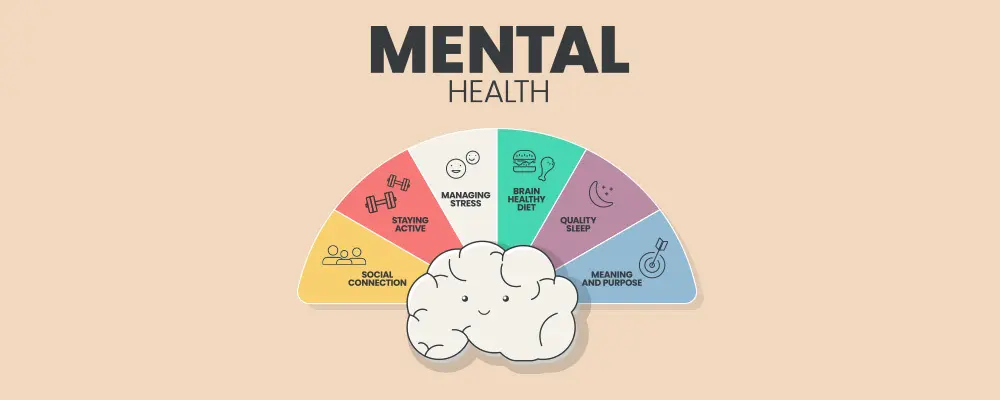
Adequate sleep, balanced nutrition, and regular exercise maintain physical and emotional health. Awareness supports prioritizing these habits consistently.
Reflection and Journaling
Recording thoughts, feelings, and experiences enhances self-understanding. Awareness ensures reflection is purposeful and constructive.
Mindful Engagement
Engaging fully in activities and relationships cultivates presence and emotional balance. Awareness strengthens focus and intention in daily life.
Professional Guidance and Support
Even emotionally strong individuals benefit from professional support. Awareness helps recognize when guidance is needed.
Therapy and Counseling
Mental health professionals provide strategies and tools to build emotional strength. Awareness encourages timely consultation when challenges arise.
Support Groups and Community Programs
Connecting with others facing similar experiences enhances learning and resilience. Awareness ensures active participation in supportive networks.
Continuous Learning
Awareness fosters ongoing education about emotional health, coping strategies, and resilience-building techniques, reinforcing long-term emotional strength.
Conclusion
Building emotional strength requires a combination of self-awareness, regulation, resilience, social skills, and consistent practice. Mental health awareness provides the insight and tools necessary to understand emotions, manage stress, and foster adaptive coping strategies. By applying awareness in daily life, individuals can enhance their emotional capacity, improve relationships, and navigate challenges with confidence. Calm Minds Hub offers practical, evidence-based guidance to support the development of emotional strength and sustained mental well-being. Your next great read is waiting on our homepage—check it out now.
FAQs
How does mental health awareness contribute to emotional strength?
Mental health awareness helps individuals recognize emotions, understand triggers, and apply coping strategies. This insight enables proactive responses and strengthens resilience.
What daily practices improve emotional strength?
Daily practices include mindfulness, journaling, self-care routines, stress management exercises, and reflection. Awareness ensures these practices are consistent and effective.
Can emotional strength be developed over time?
Yes, emotional strength can be cultivated through intentional awareness, practice, learning from experiences, and seeking support when needed. Consistency and reflection are key to long-term growth.