
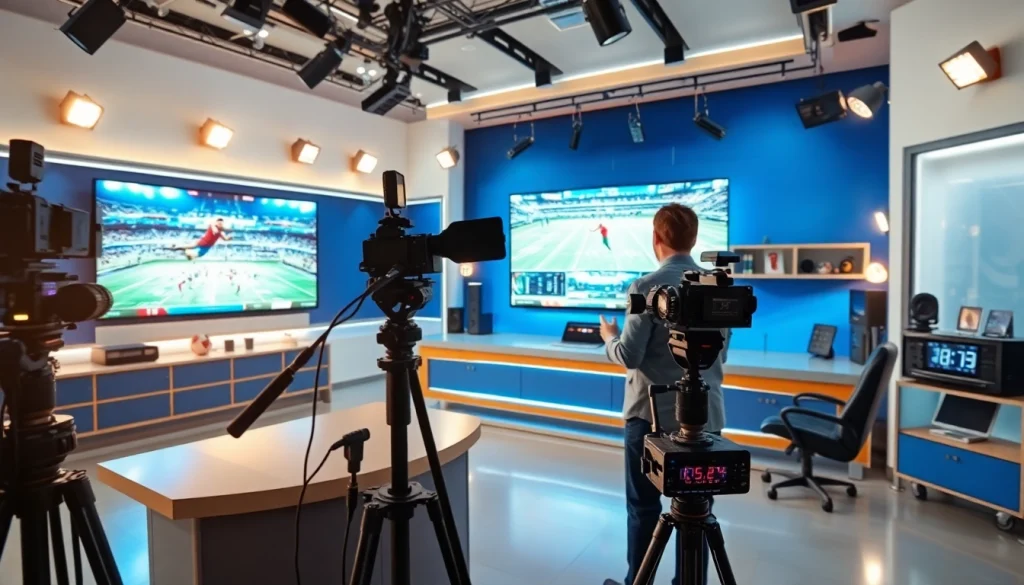
What is Sports Broadcasting?
Defining Sports Broadcasting
Sports Broadcasting refers to the telecasting of live sports events and related content, such as analysis, interviews, and highlights, to engage an audience. Its primary goal is to provide an immersive experience for fans, allowing them to connect with the action happening on the field, court, or arena. This medium has evolved significantly over the years, becoming a critical part of how people consume sports today. By delivering thrilling moments via radio, television, and increasingly via online platforms, Sports Broadcasting serves to amplify the spectacles of athletic competition and promote a sense of community among fans globally.
History and Evolution
Sports Broadcasting has a rich history that can be traced back to radio broadcasts of major sporting events in the early 20th century. The first-ever radio broadcast of a sporting event occurred in 1921, which laid the groundwork for the future of sports media. As technology advanced, broadcasters began to employ television to showcase sports, leading to the first televised baseball game in 1939, which significantly expanded the reach and popularity of sports. By the late 20th century, the introduction of cable networks created specialized sports channels, allowing fans to access comprehensive coverage. The 21st century introduced digital platforms and streaming services, revolutionizing the distribution and consumption of sports content, offering fans more choices than ever before.
Key Players in Sports Broadcasting
The landscape of Sports Broadcasting comprises various stakeholders, including networks, leagues, sports teams, and technology providers. Major television networks, such as ESPN and NBC, are key players delivering sports content to millions of viewers. National and international sports leagues, including the NFL, NBA, and FIFA, negotiate broadcasting rights that generate significant revenue. Moreover, digital platforms like YouTube and social media networks are becoming increasingly influential in content dissemination. The intersection of traditional and digital media creates a competitive market, driving innovation and shaping the viewer’s experience with sports content.
The Role of Technology in Sports Broadcasting
Emergence of High-Definition Streaming
The rise of high-definition (HD) streaming has transformed how audiences experience sports. Fans can now watch games in stunning detail, improving their overall viewing experience. Advances in technology have allowed broadcasters to deliver crisp images and clearer audio, making viewers feel as if they are part of the live action. 4K and 8K streaming technologies are on the horizon, promising to further enhance visual quality and elevate Sports Broadcasting into a new era of immersive viewing.
Virtual and Augmented Reality in Sports
Virtual Reality (VR) and Augmented Reality (AR) technologies are emerging as exciting tools in Sports Broadcasting. VR can transport viewers to a virtual stadium environment, allowing them to watch the game in an interactive setting. Meanwhile, AR can enhance broadcasts by overlaying real-time statistics, player profiles, and interactive graphics during live events. These technologies foster deeper engagement, transforming passive viewers into active participants, and are likely to play a significant role in the future of sports coverage.
The Impact of Mobile Broadcasting
The proliferation of smartphones has triggered a revolution in mobile broadcasting. Many sports fans prefer watching games on-the-go, leading broadcasters to develop robust mobile applications that provide live game updates, highlights, and behind-the-scenes content. Live streaming via mobile apps enables instant access, accommodating viewers’ lifestyles and expectations. This shift emphasizes the importance of mobile optimization for Sports Broadcasting, as it allows organizations to reach a broader audience and drive engagement through personalized content delivery.
Best Practices for Engaging Audiences
Creating Compelling Content
In the realm of Sports Broadcasting, creating compelling content is vital for attracting and retaining viewers. This entails producing high-quality commentary, engaging storytelling, and unique features that resonate with fans. Behind-the-scenes content, player interviews, and expert analysis can provide a richer context for the game. Utilizing various formats such as podcasts, video highlights, and interactive content helps to cater to diverse preferences and keeps audiences engaged.
Utilizing Social Media for Engagement
Effective Sports Broadcasting extends beyond traditional media, seamlessly incorporating social media to connect with audiences. Platforms like Twitter, Instagram, and TikTok offer broadcasters the ability to engage fans in real-time, share highlights, and generate discussions around the games. Encouraging fan interaction through polls, Q&A sessions, and live chats can foster a sense of community and loyalty among followers, enhancing the overall viewing experience.
Analytics and Audience Feedback
Leveraging data analytics is critical for broadcasters seeking to enhance audience engagement. Monitoring viewer preferences, interactions, and feedback can yield actionable insights regarding content strategy. Analyzing metrics such as watch times, social media shares, and viewer demographics allows broadcasters to tailor their content, ensuring relevance and improving satisfaction. Regularly soliciting audience feedback through surveys or engagement metrics further reinforces the connection between broadcasters and the fans they serve.
Challenges Facing Sports Broadcasting
Dealing with Licensing and Copyrights
Licensing and copyright issues pose significant challenges in Sports Broadcasting. Broadcasters must navigate complex agreements to secure rights for broadcasting events, which can be costly and competitive. Additionally, the rise of digital platforms complicates content ownership, with issues surrounding streaming rights and international broadcasting creating further hurdles. Maintaining compliance with licensing regulations is crucial to avoid legal disputes and ensure uninterrupted delivery of sports content.
Adapting to Rapid Technology Changes
The fast-paced technological landscape requires broadcasters to be nimble and prepared for change. As new technologies emerge, organizations must continuously adapt their broadcasting strategies to remain relevant and competitive. Implementing innovative technologies and platforms can require substantial investments and ongoing training for staff. Embracing this change is essential for broadcast companies to enhance viewer experiences and leverage emerging opportunities for audience engagement.
Meeting Audience Expectations
With the 24/7 nature of sports coverage, viewer expectations have skyrocketed. Audiences demand instant updates, high-quality streaming, and rich interactive experiences. Failing to meet these expectations can result in viewer dissatisfaction and loss of audience loyalty. Broadcasters need to prioritize understanding their audience’s preferences and continuously evolve their offerings to maintain high engagement levels and enhance the overall viewing experience.
Future Trends in Sports Broadcasting
The Rise of Podcasting in Sports
Podcasting is rapidly gaining traction as a vital component of Sports Broadcasting. Audiences appreciate the flexibility of consuming sports content on-the-go. Sports podcasts offer a platform for in-depth discussions, expert analyses, and fan engagement outside the constraints of traditional broadcasting. This trend is likely to continue growing, as more fans turn to podcasts for nuanced insights and diverse perspectives on sports events.
AI and Automation’s Role
Artificial Intelligence (AI) and automation are poised to play significant roles in Sports Broadcasting in the coming years. From automated highlight generation to predictive analytics for audience behavior, AI can enhance operational efficiency and enhance viewer engagement. AI-driven personalization can tailor content to individual preferences, thus increasing viewer satisfaction and retention. These technologies will redefine how content is created, distributed, and consumed in sports media.
Globalization of Sports Broadcasts
The globalization of sports broadcasts is transforming the viewing experience. Broadcasters are increasingly producing content in multiple languages and leveraging international partnerships to reach diverse audiences. This trend not only broadens the fan base but also creates a more inclusive environment for sports enthusiasts worldwide. With technological advancements enabling better access to content across borders, globalization will continue to shape the future of Sports Broadcasting.
FAQs
What is the primary goal of Sports Broadcasting?
The primary goal is to deliver live sports events and related content to engage viewers and enhance fan experience.
How has technology changed Sports Broadcasting?
Technology has improved quality with high-definition streaming and enabled enhanced engagement via mobile and interactive media.
What challenges do sports broadcasters face today?
Challenges include competition for viewers, licensing issues, and the need to keep up with rapidly changing technology.
How important is audience feedback in Sports Broadcasting?
Audience feedback helps broadcasters tailor content, ensuring relevance and improving viewer satisfaction and loyalty.
What future trends are emerging in Sports Broadcasting?
Future trends include increased use of AI for analytics, greater focus on podcasts, and globalization of content delivery.