
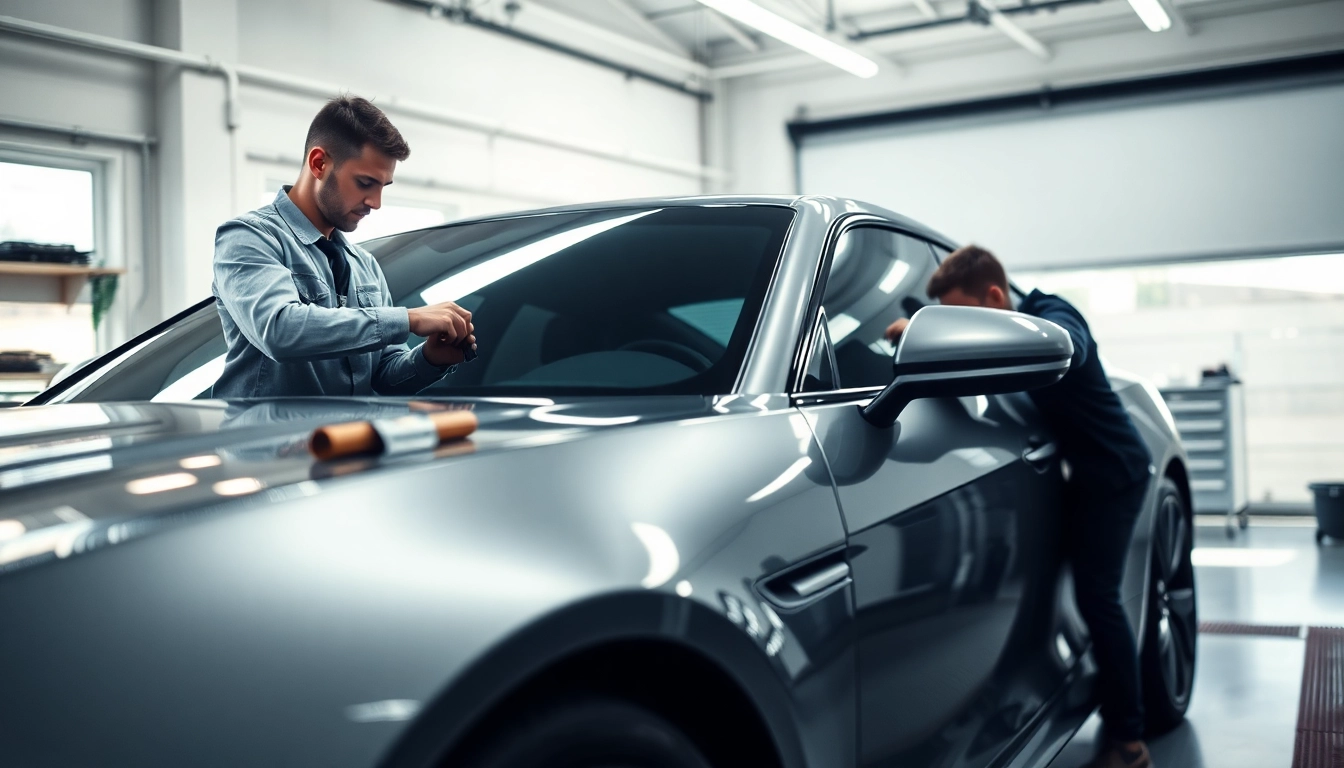
Understanding Auto Window Tint Options
When searching for auto window tint near me, it’s essential to understand the types of films available, their benefits, and the legal considerations involved. The right choice of window tint not only enhances the aesthetics of your vehicle but also provides significant protection against UV rays and heat. This comprehensive guide aims to help you navigate through the myriad of options available to you.
Types of Window Tint Films
Window tint films can generally be categorized into several types, each offering unique features and benefits. Understanding these categories is crucial when choosing the right tint for your vehicle.
- Dyed Window Films: These are the most affordable types of tint. They work by absorbing solar heat but do not provide adequate UV protection. They can fade over time and may not be the best choice for long-term use.
- Metalized Window Films: These films contain metal particles that provide better durability and heat rejection compared to dyed films. They are reflective, which enhances privacy but can interfere with radio signals.
- Carbon Window Films: Carbon films offer a darker finish without being reflective. They provide excellent UV protection and do not fade over time, making them a popular choice among vehicle owners.
- Ceramic Window Films: Considered the top tier in window tinting, ceramic films offer high heat rejection and UV protection without compromising visibility. They are non-metallic and do not interfere with electronic devices.
Benefits of Auto Window Tint
The application of auto window tint comes with a host of benefits that go beyond aesthetic appeal:
- UV Protection: Tinted windows block up to 99% of harmful UV rays, protecting both passengers and the interior of the vehicle from sun damage.
- Heat Rejection: By reducing the amount of heat that enters the car, window tint helps maintain a comfortable atmosphere, reducing the reliance on air conditioning.
- Increased Privacy: Window tinting enhances privacy by making it harder for outsiders to see inside the vehicle, protecting your belongings from prying eyes.
- Glare Reduction: Tints can significantly reduce glare from the sun and other vehicles, improving visibility and making driving safer.
- Enhanced Aesthetics: A well-tinted car can elevate its overall appearance, giving it a sleek and polished look.
Legal Considerations for Tinting
Before applying window tint to your vehicle, be sure to understand the legal restrictions in your state or country. Different regions have varying regulations regarding the percentage of light that must be allowed through the windows, leading to significant variations in allowable tint darkness. Always check local regulations to avoid fines or issues during vehicle inspections.
Factors to Consider When Searching for Auto Window Tint Near Me
When looking for auto window tint services, it’s essential to consider a few key factors to ensure quality and satisfaction. Here’s what to focus on:
Quality of Materials Used
The quality of window tint materials can significantly affect the durability and effectiveness of the tint. High-quality films provide better UV protection and heat rejection, while lower-quality films may fade or peel over time. Always inquire about the types of films used by the provider and whether they offer a warranty.
Experience and Expertise of Technicians
The expertise and experience of the technicians performing the installation play a crucial role in the final outcome. Skilled professionals can guarantee proper application techniques that prevent bubbles, peeling, and other common issues. Don’t hesitate to ask about their experience and training in window tinting.
Customer Reviews and Testimonials
Researching customer reviews and testimonials can provide insight into the quality of service you can expect. Look for reviews that speak to the quality of the tint, the professionalism of the technicians, and post-installation customer service. High ratings and positive feedback are often indicators of reliable service.
Choosing the Right Tint for Your Vehicle
Selecting the ideal window tint for your vehicle involves considering several factors tailored to your preferences and needs:
Shade Selection Guidelines
Choosing the right shade is crucial for balancing aesthetics and functionality. Darker tints offer more privacy but may reduce visibility at night. Consider your driving habits before deciding on the shade level. Always select shades that comply with legal regulations in your area.
Heat and UV Protection Ratings
When evaluating window tints, pay attention to the heat and UV protection ratings provided by the manufacturer. Many products have a percentage rating that indicates how much heat or UV rays they block. The higher the percentage, the better the protection, so choose accordingly based on your needs.
Aesthetic Considerations and Styles
Auto window tint is available in various styles and colors. From traditional black tints to more unique hues, consider how the tint will complement your vehicle’s color scheme. Ultimately, the right choice enhances both your vehicle’s look and your personal style.
The Window Tinting Process Explained
Understanding the window tinting process can alleviate concerns and prepare you for what to expect. Here’s a breakdown of the steps involved:
Preparation Before Installation
Prior to installation, it’s important to ensure that your vehicle’s windows are clean and free of any dirt or debris. This step is crucial as imperfections can cause bubbles and adhesion problems in the film. Additionally, consider removing any window tint already on the vehicle to ensure a fresh application.
Steps Involved in Tinting
The actual installation procedure typically includes the following steps:
- Measuring: The technician will measure each window to cut the film accurately.
- Cutting: Films are then cut according to the dimensions of your windows using specialized tools.
- Application: The tint is applied using a special adhesive, beginning usually with the rear window and finishing with the front windows.
- Smoothing: Technicians use tools to smooth out the tint and remove any bubbles or creases.
- Final Inspection: After installation, a final inspection ensures the tint is applied perfectly and meets your expectations.
Post-Installation Care and Maintenance
To prolong the life of your window tint, proper care and maintenance are essential. For the first few days after installation, avoid rolling down the windows or cleaning them to allow the film to adhere fully. After this period, use mild soap and water for cleaning, avoiding any ammonia-based products that can damage the tint.
Frequently Asked Questions About Auto Window Tint Near Me
How long does auto window tint last?
With proper care, quality window tint can last up to 10 years or more, depending on the film type and environmental conditions.
Is auto window tinting worth the cost?
Investing in window tinting provides benefits such as enhanced privacy, UV protection, and heat reduction, making it a worthwhile investment.
What are the legal tinting limits in my area?
Legal limits for window tint vary by state; check local regulations to ensure compliance and avoid fines.
Can I remove old window tint myself?
While DIY removal is possible, professional assistance ensures a smoother process and prevents damage to your windows.
Does window tint reduce glare?
Yes, quality auto window tint can significantly reduce glare, enhancing comfort and safety while driving.