
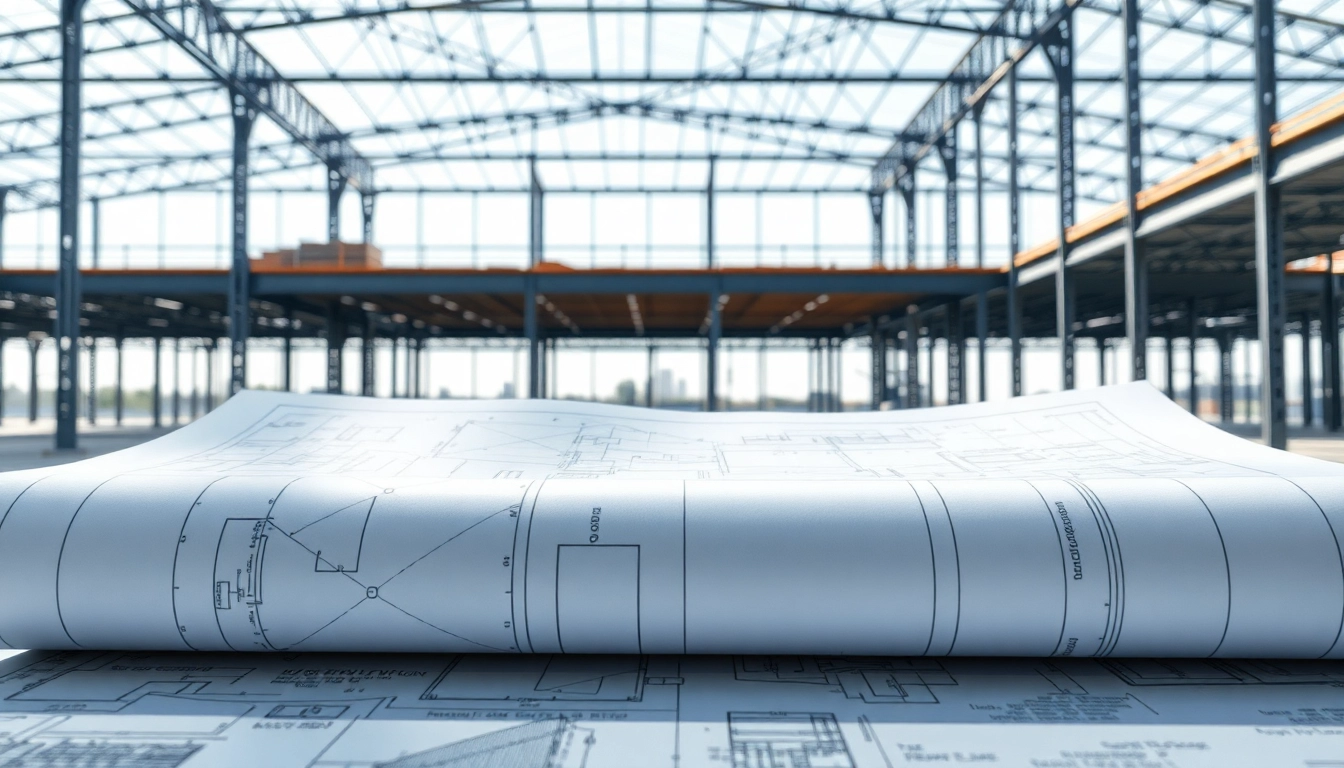
Understanding Steel Structure Design
Steel structure design is an essential aspect of modern construction, providing the backbone for a multitude of architectural projects ranging from bridges to skyscrapers. To ensure robustness and longevity in construction, understanding the nuances of steel structure design is crucial for architects, engineers, and builders alike. In this article, we’ll delve into the intricacies of steel structure design, from its fundamental principles to the latest trends and technologies shaping the future of construction.
What is Steel Structure Design?
Steel structure design refers to the planning and development of buildings and structures utilizing steel as the primary material. It involves mathematical modeling, analysis, and the application of principles from structural engineering to create safe, efficient, and aesthetically pleasing constructions. The themes of strength, stability, and durability guide engineers in ensuring that structures can withstand various loads and environmental conditions.
Key Benefits of Steel in Construction
The use of steel in construction comes with several significant advantages:
- High Strength-to-Weight Ratio: Steel’s impressive strength enables lighter structures, reducing foundation costs and materials needed.
- Durability: Steel structures have a longer lifespan when compared to those made from traditional materials, making them more cost-effective over time.
- Design Flexibility: Steel can be molded into various shapes, allowing architects to pursue innovative designs without compromising the structure’s integrity.
- Speed of Construction: Prefabricated steel components can be manufactured off-site and quickly assembled, reducing construction time significantly.
- Recyclability: Steel is 100% recyclable, contributing to sustainable construction practices and reducing environmental impact.
Common Terminology in Steel Structure Design
Familiarity with industry terminology is vital for professionals engaged in steel structure design. Here are some common terms:
- Load: The weight and stress placed on a structure, including dead loads (permanent/static) and live loads (temporary/dynamic).
- Moment: The measure of the tendency of a force to cause rotation about a point.
- Shear: The force that causes parts of a material to slide past one another in opposite directions.
- Deflection: The degree to which a structural element is displaced under load.
Fundamentals of Steel Structure Design
Basic Principles of Structural Engineering
At the core of steel structure design are the basic principles of structural engineering, which dictate how structures manage loads while maintaining safety and functionality. The primary principles include:
- Equilibrium: A structure must maintain a balance between the external forces acting on it and the internal forces created by those loads.
- Stability: Ensuring that a structure remains erect and does not deform excessively under load.
- Strength: Materials must possess adequate tensile and compressive strength to withstand expected loads.
- Serviceability: Structures should remain functional and comfortable for occupants, maintaining aesthetic and functional requirements.
Material Properties Essential for Steel Structures
Understanding the properties of steel is crucial in design. Key material properties include:
- Tensile Strength: The resistance of steel to being pulled apart.
- Yield Strength: The stress at which steel begins to deform plastically.
- Modulus of Elasticity: The ratio of stress to strain, indicating the stiffness of steel.
- Corrosion Resistance: Steel’s ability to resist deterioration from environmental factors.
Types of Steel Used in Construction
Different types of steel vary in their composition and properties, influencing their suitability for specific applications:
- Carbon Steel: Most commonly used, known for its high strength at a low cost.
- Alloy Steel: Enhancements are made by adding elements like chromium or nickel, improving certain properties.
- Stainless Steel: Known for its corrosion resistance and aesthetic appeal, suited for structural and architectural applications.
- High-Strength Low-Alloy Steel (HSLA): Offers better mechanical properties and corrosion resistance compared to conventional carbon steel.
Design Techniques and Best Practices
Software Tools for Steel Structure Design
Advanced software tools are indispensable in modern steel structure design, providing features for analysis, visualization, and optimization:
- AutoCAD: Widely used for creating detailed 2D and 3D drawings.
- Revit: A Building Information Modeling (BIM) tool that allows collaboration and visualization in one platform.
- STAAD.Pro: This tool is used for structural analysis and design, suitable for complex loads and environmental factors.
- SAP2000: For detailed analysis of various structural elements under different load conditions.
Advanced Design Techniques to Enhance Stability
To ensure the stability of steel structures, engineers employ various advanced techniques:
- Braced Frames: Utilizing diagonal braces to improve stability under lateral loads.
- Moment-Resisting Frames: Enhancing the structure’s ability to withstand bending moments without requiring braces.
- Shear Walls: These vertical walls provide additional lateral support to resist wind and seismic forces.
- Combining Systems: Using a combination of both braced and moment-resisting systems for optimized stability and strength.
Quality Control Measures in Steel Construction
Quality control is paramount in steel construction to ensure safety and longevity. Key measures include:
- Material Testing: Employing rigorous testing methods to verify material properties before use.
- Fabrication Inspection: Routine checks during the fabrication process to ensure adherence to design specifications.
- Site Inspections: Regular evaluations throughout the construction phase to identify and rectify potential issues.
- Post-Completion Assessment: Important for ensuring that the final structure meets all design criteria and performance expectations.
Challenges in Steel Structure Design
Addressing Common Design Flaws
Despite rigorous standards, some common design flaws can still arise, such as:
- Underestimating Loads: Accurate load predictions are crucial to avoid structural failures. Engineers use advanced modeling techniques to ensure precision.
- Neglecting Connection Design: Connections play a vital role in structural integrity; thus, they must be designed to withstand various stresses.
- Ignoring Local Codes: Compliance with local building codes is essential, as regulations vary significantly depending on the location and environmental considerations.
Environmental Factors Affecting Design Decisions
Environmental conditions such as seismic activity, wind loads, temperature variations, and humidity can significantly influence design decisions:
- Wind Loads: Structures in windy regions must be designed to resist lateral loads effectively, usually invoking dynamic analysis methods.
- Seismic Design: Buildings in earthquake-prone areas require careful consideration of lateral stability and flexibility to absorb seismic forces.
- Temperature Effects: Expansion and contraction due to temperature changes need to be accounted for to prevent structural damage.
- Corrosion Concerns: In humid or coastal areas, protective coatings and design modifications ensure long-term durability.
Regulatory Compliance and Standards
Compliance with local and international codes and standards is vital to ensure safety and functionality. Some key standards include:
- AISC Standards: Published by the American Institute of Steel Construction, outlining best practices for steel structure design and fabrication.
- ISO Standards: International standards that ensure quality and safety in materials and construction.
- Local Building Codes: Vary by region; it is essential to adhere to these guidelines to comply with legal and safety requirements.
Future Trends in Steel Structure Design
Emerging Technologies in Steel Construction
The future of steel structure design is being shaped by innovative technologies that enhance efficiency and sustainability:
- 3D Printing: This technology offers the potential for creating complex steel components that reduce waste and construction time.
- Robotics: Automated systems in fabrication and construction are improving precision and safety on job sites.
- Smart Materials: The integration of smart sensors allows buildings to monitor structural health, enhancing maintenance and safety protocols.
Sustainable Practices in Steel Structures
Sustainability is becoming a critical focus in steel structure design, with practices including:
- Recycling Steel: Using recycled materials reduces the carbon footprint and demand for virgin resources.
- Energy-Efficient Designs: Incorporating energy-saving elements such as green roofs and efficient HVAC systems into steel structures.
- Life Cycle Assessments: Evaluating the environmental impact of structures from design through deconstruction.
The Impact of Building Information Modeling (BIM)
BIM has revolutionized the planning, design, and management of construction projects. Key impacts include:
- Collaboration: Facilitates communication among architects, engineers, and contractors throughout the project lifecycle.
- Visualization: Offers 3D modeling capabilities enabling stakeholders to envision the final product before construction begins.
- Efficiency: Streamlines workflows, reducing wastes related to materials and time.