
Understanding Custom Steel Fabrication
What Is Custom Steel Fabrication?
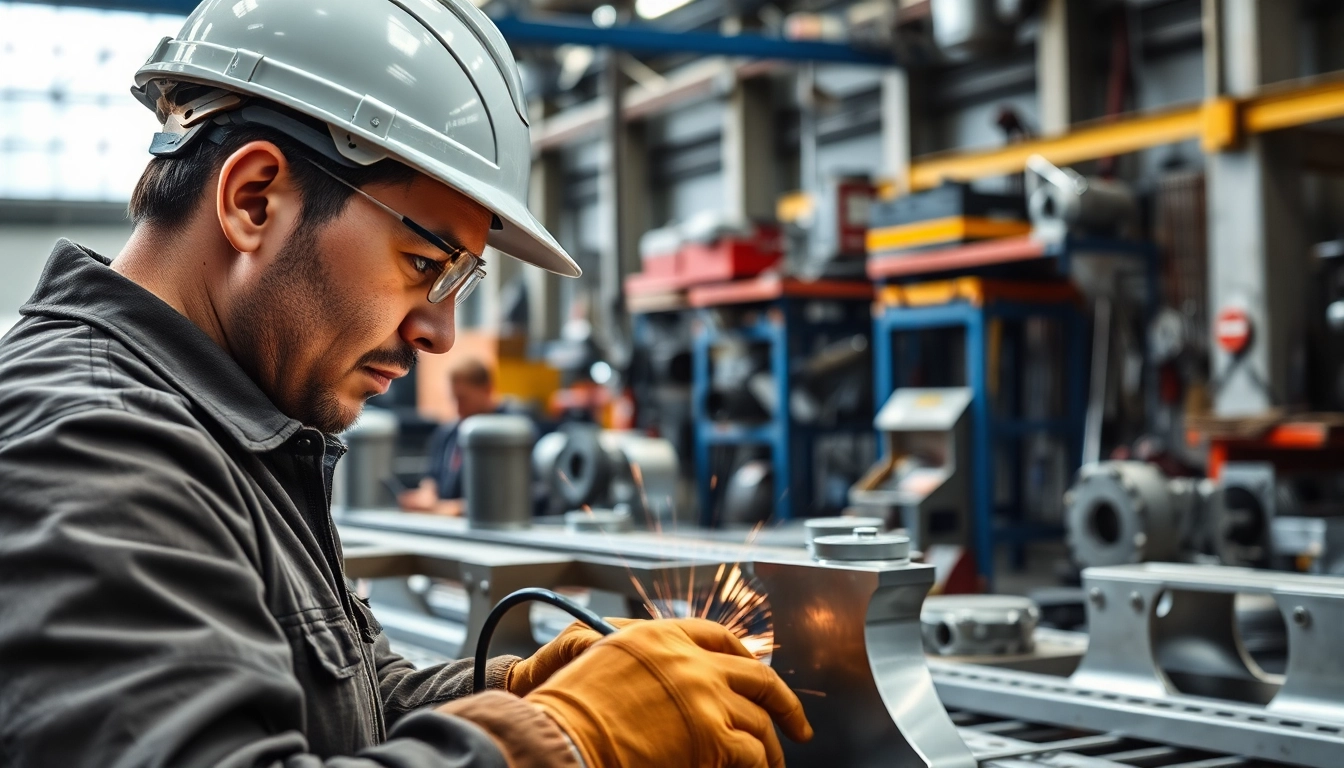
Custom steel fabrication is the process of creating steel structures or components tailored to specific requirements, whether for industrial, commercial, or residential applications. This involves cutting, bending, and assembling steel materials into desired shapes and sizes, allowing for a high degree of customization. As industries evolve, the importance of custom steel fabrication rises, catering to unique project demands and specifications.
Key Benefits of Custom Steel Fabrication
Understanding the advantages of custom steel fabrication is essential for any project. Here are the prominent benefits:
- Tailored Solutions: Every project has different needs. Custom fabrication allows for the development of specific solutions that outright meet those requirements.
- Quality Control: When manufactured in-house, the quality can be closely monitored, which increases product reliability.
- Cost-Effectiveness: While initial costs may be higher, custom solutions can save money long-term by minimizing material waste and ensuring precise fit.
- Accelerated Timeframes: Custom fabrication can streamline the manufacturing process, leading to quicker project completion.
- Design Flexibility: Custom options expand design possibilities, allowing for creative and innovative solutions to contemporary engineering challenges.
Common Techniques Used in Custom Steel Fabrication
Steel fabrication encompasses several techniques that can be employed depending on the project’s requirements:
- CNC Machining: This computer-controlled cutting method ensures high precision, creating intricate designs and components rapidly.
- Welding: A vital process that joins two pieces of metal, providing a strong and durable bond suitable for heavy loads.
- Bending: Techniques such as press braking are used to shape steel plates and sheets into desired configurations.
- Laser Cutting: This process enhances precision by using laser technology to cut steel, producing clean edges and avoiding distortion.
- Metal Forming: Utilizing hammers, presses, or stampers to shape and mold steel into its final form.
Choosing the Right Partner for Custom Steel Fabrication
Factors to Consider When Selecting a Fabricator
Selecting a custom steel fabricator can be a daunting task due to the numerous options available. Key factors include:
- Experience: Look for fabricators with a solid track record in delivering projects similar to yours.
- Reputation: Conduct thorough research on customer feedback and testimonials to gauge a fabricator’s reliability.
- Capabilities: Ensure the partner has the technology and equipment necessary for your project’s complexity.
- Communication: Opt for a fabricator who maintains open lines of communication, facilitating smooth collaboration throughout the project.
Industry Credentials and Certifications
When evaluating custom steel fabricators, certifications can serve as a testament to their skill level and reliability. Key certifications to look for include:
- ISO Certification: Indicates standardized quality management processes.
- AWS Certification: Knowledge in welding standards, which is crucial for durability and safety in steel structures.
- OSHA Compliance: Assurance that the fabricator adheres to safety standards, protecting workers and project integrity.
Evaluating Past Projects and Case Studies
Reviewing a fabricator’s past projects can offer insights into their capabilities. Consider the following:
- Request case studies that highlight the challenges faced and how they were overcome.
- Examine examples of completed projects closely related to your specifications.
- Assess the aesthetic and functional success of previous works to determine their alignment with your vision.
Materials and Their Impact on Custom Steel Fabrication
Types of Steel Used in Custom Fabrication
The selection of steel types is crucial in custom fabrication, as it directly influences the performance and longevity of the final product. The main categories include:
- Carbon Steel: Widely used for structural applications due to its strength and affordability. Different grades cater to various needs.
- Stainless Steel: Known for its corrosion resistance, making it ideal for environments prone to moisture or chemicals.
- Alloy Steel: This steel offers improved strength and toughness and is often used in demanding applications where durability is paramount.
- Tool Steel: Utilized for manufacturing tools due to its hardness and ability to maintain a cutting edge.
Choosing the Right Material for Your Project
When determining what material to use, consider the following factors:
- Environmental Factors: Evaluate the environment in which the steel will be used to select material that can withstand specific conditions.
- Load Requirements: Ensure the selected steel type is capable of supporting the intended loads without compromising safety.
- Cost Implications: While some materials may be more expensive upfront, consider the long-term benefits and durability they provide.
Material Costs and Budgeting for Fabrication
Effective budgeting is essential in any fabrication project. Here are key points to keep in mind:
- Initial Material Costs: Understand how different types of steel impact the overall budget, keeping in mind that price fluctuations can occur.
- Fabrication Costs: This includes labor, machinery, and fabrication processes which may vary by project complexity.
- Calculate Lifecycle Costs: Assess potential maintenance and replacement costs associated with various materials over the project’s lifespan.
Innovations and Trends in Custom Steel Fabrication
Adoption of New Technologies in Fabrication
Technological advancements are continuously reshaping the landscape of custom steel fabrication. Some notable innovations include:
- 3D Printing: Emerging in steel fabrication, this technology allows for rapid prototyping and intricate designs, reducing lead times.
- Artificial Intelligence: Enhances process efficiencies, predictive maintenance, and quality control through data analytics.
- Robotics: Streamlined automated processes minimize human error and enhance precision in repetitive tasks.
Sustainability Practices in Custom Steel Fabrication
As industries evolve, the focus on sustainability grows. Sustainable practices in steel fabrication can include:
- Recycling Steel: Utilizing recycled materials to reduce waste and environmental impact.
- Energy Efficient Processes: Integrating technologies that lower energy consumption during fabrication.
- Eco-Friendly Materials: Using materials with lower emissions during production or materials that enhance energy efficiency.
Emerging Design Trends in the Industry
The steel fabrication sector is witnessing evolving aesthetics and utility in designs. Key trends include:
- Simplistic Designs: Emphasis on minimalism with clean lines and functional forms.
- Mixed Materials: Blending steel with other materials, such as glass or wood, to enhance visual appeal and performance.
- Modular Construction: Increasing focus on prefabricated structures that can be easily transported and assembled on-site.
FAQs About Custom Steel Fabrication
What is the typical lead time for a custom steel fabrication project?
Lead time can vary based on project complexity and size. Generally, it’s advisable to expect 4-10 weeks for standard projects.
Can custom steel fabrication meet specific design requirements?
Yes, custom steel fabrication is designed to meet specific client needs, including unique sizes, shapes, and specifications.
What types of projects benefit most from custom steel fabrication?
Projects that require precision, durability, and unique designs, such as industrial frameworks, bridges, or architectural features, benefit greatly.
How do I maintain custom steel structures once fabricated?
Regular inspections, cleaning to remove contaminants, and protective coatings can enhance the longevity of custom steel structures.
Is custom steel fabrication cost-effective for small projects?
While initial costs may be higher, custom steel fabrication can save costs in the long run through reduced waste and the longevity of the materials.