
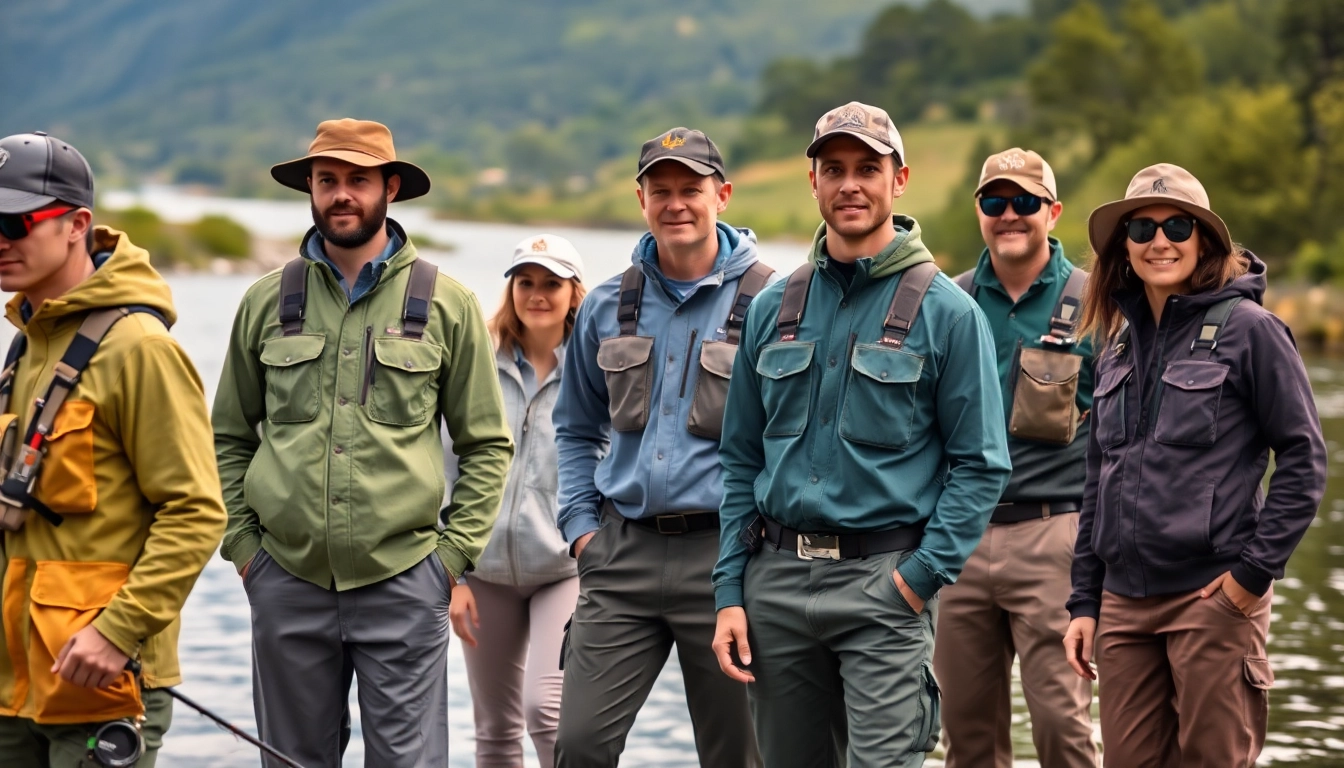
Understanding Fly Fishing Apparel: What You Need to Know
When embarking on a fly fishing adventure, having the right Fly fishing apparel can significantly enhance your experience. Not only does the appropriate clothing ensure comfort and mobility, but it also protects you from the elements and allows you to focus on your fishing techniques. In this guide, we’ll discuss everything you need to know about selecting the best fly fishing apparel tailored for your personal needs.
1. Types of Fly Fishing Apparel for Different Conditions
Different fishing environments and weather conditions call for specific types of fly fishing apparel. Here are some varieties to consider:
- Cold Weather Apparel: Insulated jackets, thermal layers, and waders are crucial for remaining warm during chilly outings. Fabrics designed to trap heat while being breathable are particularly beneficial.
- Warm Weather Apparel: In sunny conditions, apparel with UV protection, moisture-wicking properties, and light fabrics is essential. Long-sleeve shirts made from breathable materials can provide coverage without causing overheating.
- Rain Gear: Waterproof jackets and pants are important for protection against unexpected downpours. Look for garments with sealed seams and breathable fabrics to maintain comfort while staying dry.
- Layering Essentials: Versatile base layers that can be added or removed based on temperature changes are essential. A good layering system allows anglers to adapt to fluctuating conditions easily.
2. Key Features to Look for in Fly Fishing Apparel
When evaluating fly fishing clothing, several key features will enhance your overall experience:
- Moisture Management: Apparel that wicks moisture away from your body keeps you dry and comfortable, crucial for long hours on the water.
- UV Protection: Look for fabrics with UPF (Ultraviolet Protection Factor) ratings to shield your skin from harmful sun exposure during extended trips.
- Quick-Drying Fabric: Moisture can be uncomfortable and heavy; hence, garments that dry quickly are essential for maintaining comfort throughout the day.
- Pockets and Storage: Adequate storage options for tools and essentials can streamline your fishing experience. Be sure to check for strategically placed pockets.
3. Common Fabric Materials Used in Fly Fishing Apparel
The materials used in fly fishing apparel significantly affect performance and comfort:
- Nylon: Lightweight and durable, it often features water-resistant properties, making it a popular choice for fishing shirts and pants.
- Polyester: This material is excellent for moisture-wicking and drying quickly, which helps keep you comfortable.
- Merino Wool: Ideal for cold conditions, merino wool is natural, regulates body temperature, and retains warmth even when wet.
- Hybrid Fabrics: Combining multiple materials, hybrid fabrics often deliver enhanced benefits, such as breathability and stretch.
Choosing the Right Fit: Comfort and Functionality
1. How to Measure for Perfectly Fitting Fly Fishing Apparel
Finding the right size is critical for maximizing comfort and mobility during your trips. Here’s how to accurately measure yourself:
- Chest: Measure around the fullest part of your chest, ensuring the tape measure is snug but not too tight.
- Waist: Locate your natural waistline and measure around it, ensuring comfort without restriction.
- Inseam: Measure from the top of your inner thigh to your ankle to find the ideal pant length.
2. Importance of Mobility in Fly Fishing Apparel
Mobility is critical in fly fishing, where making precise casts and navigating rocky riverbeds is common. Here’s why it matters:
- Freedom of Movement: Apparel designed with a good fit allows for easier movements, ensuring you can cast, reel, and maneuver without restriction.
- Range of Motion: Look for garments with stretch fabrics or articulated designs that don’t hinder natural movement.
3. Layering Techniques with Fly Fishing Apparel
A proper layering system can make all the difference in comfort and performance. Here’s how to effectively layer:
- Base Layer: Start with a moisture-wicking base layer that fits snugly against your skin to manage perspiration.
- Insulating Layer: Add insulation for warmth, such as fleece or wool, especially in cold conditions.
- Outer Layer: Finally, top it off with a weather-resistant shell that provides protection against wind and rain.
Top Accessories to Complement Your Fly Fishing Apparel
1. Essential Sun Protection Gear with Fly Fishing Apparel
Preventing sun damage is critical for avid anglers. Key accessories include:
- Wide-Brimmed Hats: A good hat offers shade and helps keep your face cool.
- Sunglasses: Polarized lenses help reduce glare from the water, enhancing visibility and eye protection.
- Buffs and Neck Gaiters: These accessories can shield your neck and face from UV rays and wind.
2. Footwear for Optimal Performance in Fly Fishing Apparel
Your choice of footwear is just as important as your clothing. Consider the following:
- Wading Boots: Durable and waterproof, wading boots provide support and comfort for long hours of standing.
- Sandals: In warm conditions, sandals with secure straps allow for ventilation while providing stability on slippery rocks.
3. Recommended Extras for Enhanced Fly Fishing Apparel
Enhance your fly fishing experience with these essential extras:
- Fishing Gloves: Gloves will protect your hands from sun exposure and cuts from fish fins or hooks.
- Utility Vests: A fishing vest can keep all your essentials close at hand, improving efficiency on the water.
Care and Maintenance of Your Fly Fishing Apparel
1. Washing and Drying Tips for Fly Fishing Apparel
Maintaining your apparel extends its lifespan:
- Follow Care Labels: Always adhere to the garment’s care instructions for washing and drying. Use mild detergents to prevent damage.
- Avoid Fabric Softeners: These can reduce the moisture-wicking properties essential for fishing apparel.
2. Storage Solutions for Longevity of Fly Fishing Apparel
Proper storage is vital to prevent wear and tear:
- Cool, Dry Place: Store apparel in a cool, dry area away from direct sunlight to prevent fading and material degradation.
- Use Hangers for Jackets: Hang jackets to maintain shape and prevent creases.
3. Understanding Repairs: Keeping Fly Fishing Apparel in Top Shape
Don’t let a small tear ruin your fishing gear:
- Patching Kits: Keep a repair kit handy for quick fixes on the go. Most fly fishing apparel can be easily patched if you catch them early.
- Professional Repairs: For major damage, consider professional repair services to ensure your gear remains functional.
FAQs about Choosing Fly Fishing Apparel
1. What materials are best for fly fishing apparel?
The best materials include lightweight nylon for durability, polyester for moisture-wicking, and merino wool for warmth, depending on conditions.
2. How do I select the right size for my fly fishing apparel?
Accurate measurement is crucial. Measure your chest, waist, and inseam, and refer to sizing charts for guidance on brand-specific fits.
3. Can I use regular outdoor apparel for fly fishing?
Regular outdoor apparel often lacks the specific features (like UV protection and quick drying) needed for fly fishing, although it may be acceptable in non-critical situations.
4. How should I care for my fly fishing apparel?
Follow care instructions on labels, wash with mild detergents, avoid fabric softeners, and store in cool, dry places to extend the lifespan of your gear.
5. What accessories enhance my fly fishing apparel experience?
Accessories such as polarized sunglasses, wide-brimmed hats, and utility vests greatly enhance comfort and functionality during fishing trips.