The Evolution of the S8: A Technological Timeline
The Samsung Galaxy S8 represents a significant milestone in smartphone innovation, combining cutting-edge technology with a sleek design that set new standards for mobile devices. Launched in March 2017, the S8 was a pivotal step in Samsung’s Galaxy S series, featuring a distinctive edge-to-edge display that captivated consumers and challenged competitors. As we navigate through 2025, the lasting impact of the S8 continues to resonate, making it essential to explore its evolution and relevance. When exploring options, S8 enthusiasts can find comprehensive insights on its features and performance.
1.1 Key Features of the S8 at Launch
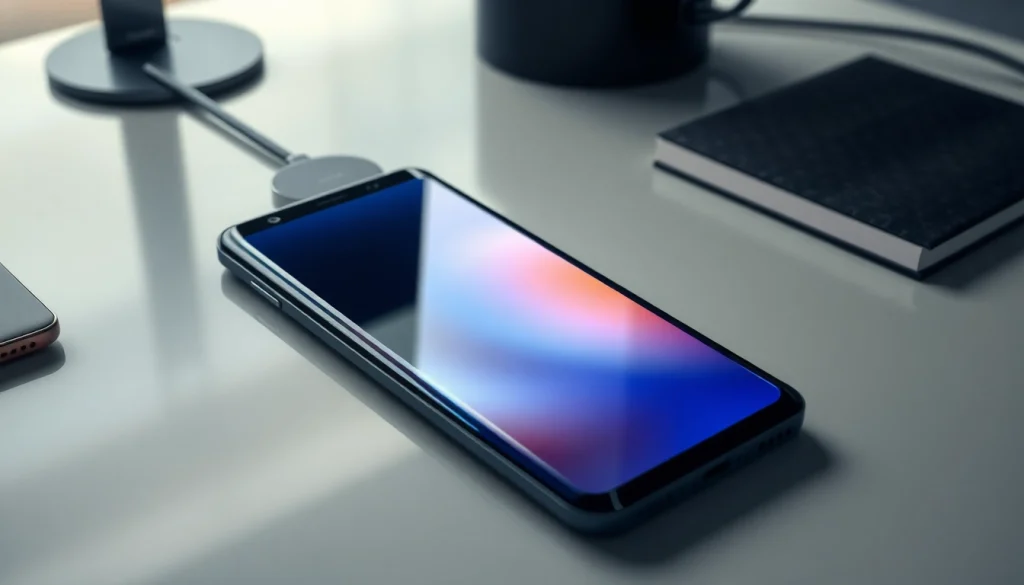
On launch, the Galaxy S8 introduced several groundbreaking features that changed the smartphone landscape. Its 5.8-inch Super AMOLED display with a resolution of 1440 x 2960 pixels offered stunning visuals, providing users with vibrant colors and deep contrasts. The S8’s Infinity Display design eliminated the physical home button, resulting in a sleek and immersive experience. Additionally, the device was powered by the Exynos 8895 processor (or the Snapdragon 835 in some regions), ensuring high performance for multitasking and gaming.
1.2 How the S8 Changed Smartphone Design
The Samsung Galaxy S8 redefined smartphone aesthetics with its minimalist approach. The removal of bezels paved the way for larger screens without increasing overall phone size. This design philosophy has influenced subsequent models across various brands, leading to a trend towards more immersive screens and reduced physical buttons. The S8’s curved edges not only enhanced visual appeal but also provided a unique grip, contributing to user comfort.
1.3 Notable Upgrades in Subsequent Models
Following the S8, Samsung continued to innovate with subsequent models like the S9, S10, and beyond. Each iteration brought enhancements in camera technology, processing power, and software capabilities. Notably, the S9 introduced variable aperture technology, while the S10 expanded on camera features with multiple lenses and improved low-light performance. These upgrades illustrate Samsung’s commitment to pushing boundaries, making the S8 a foundational piece in the progression of the Galaxy series.
Performance Metrics: What to Expect from the S8 in 2025
Despite being released several years ago, the Galaxy S8 still holds its ground in terms of performance. With its robust hardware specifications, it offers reliable capabilities for everyday tasks. The phone comes with 4GB of RAM and storage options ranging from 64GB to 256GB, which, while outdated by 2025 standards, can still manage basic functionalities. Users looking for thorough evaluations should consider combinations of old and new technologies influencing the current smartphone landscape.
2.1 Hardware Specifications Breakdown
The core specifications of the Galaxy S8 include a 12 MP rear camera with dual pixel autofocus and an 8 MP front camera designed for selfies and video calls. With a battery capacity of 3000 mAh, the S8 provides adequate usage for a day under normal conditions. Although modern competitors often feature larger batteries and more advanced processors, the S8 still delivers a satisfactory experience for casual users.
2.2 Real-World Performance Analysis
In practical terms, users have reported that the S8 performs well for everyday tasks such as browsing, social media, and video streaming. However, as software updates and app requirements evolve, tasks may begin to lag on older hardware. Resource-intensive games and applications requiring the latest graphics capabilities might see performance drops, making it less optimal for gaming enthusiasts in 2025.
2.3 Comparing S8 Performance to Modern Competitors
When juxtaposed with modern smartphones, the Galaxy S8 reveals its age. Newer models boast advanced processors, enhanced AI functionalities, and optimized battery management features. For example, devices in 2025 incorporate AI-driven camera enhancements and more sophisticated user interfaces that the S8 lacks. Thus, while the S8 remains functional, it may not satisfy users who demand cutting-edge performance.
Maintaining Your S8: Best Practices and Care
To extend the life of your Galaxy S8, effective maintenance is crucial. Regular software updates and proper care of hardware components can significantly enhance user experience. Users should prioritize using official Samsung updates to ensure security and functionality continue to align with their needs.
3.1 Effective Maintenance Tips for Longevity
Simple practices such as using a screen protector and a sturdy case can help avoid physical damage. Regularly cleaning the charging port and speakers of the device will also ensure optimal performance. Moreover, managing storage by deleting unnecessary applications and files can enhance speed and responsiveness.
3.2 Software Updates: Keeping Your S8 Relevant
Staying updated with the latest software releases can improve your device’s performance and security. Samsung provides periodic updates, which include essential security patches and system optimizations that can help maintain the S8’s relevance in today’s fast-paced technological environment.
3.3 Troubleshooting Common Issues
Common issues faced by S8 users include battery drain, app crashes, and connectivity problems. Troubleshooting these issues often involves resetting network settings, uninstalling problematic applications, or performing a factory reset when necessary. Helpful resources, including Samsung’s official support page, can guide users through these common challenges.
Is the S8 Still Worth It? User Perspectives
The question of whether the Galaxy S8 is worth using in 2025 is subjective and varies by user needs. For those who engage in basic smartphone usage, it may still be a practical choice due to its still-decent performance and design. However, tech-savvy users or those keen on the latest features might find it lacking in comparison to newer models.
4.1 Testimonials from Long-Term Users
Long-term users appreciate the Galaxy S8 for its design and functionality. Many express nostalgia for the device’s unique features, such as the iris scanner and high-resolution display. Testimonials highlight the device’s reliability for daily tasks, although users acknowledge its limitations in handling newer apps and updates.
4.2 Analysis of Current Market Value
As of 2025, the Galaxy S8’s market value has declined significantly. While earlier it was a premium device, it now exists in the budget category, with prices reflecting its age. Depending on condition, users can find the S8 for a fraction of its original price, making it an enticing option for budget-conscious buyers.
4.3 Comparing S8 with Budget Alternatives
In today’s market, several budget alternatives offer similar or superior specifications compared to the S8. Devices from brands like Xiaomi and OnePlus provide excellent performance and modern features at competitive prices. Evaluating needs against these alternatives may sway users towards more current technology without straining their budget.
Future Trends for Smartphones: What’s Next Post-S8
The smartphone landscape continues to evolve rapidly, with emerging technologies poised to redefine user experiences. Post-S8, we can anticipate exciting innovations driven by artificial intelligence, foldable displays, and enhanced connectivity options such as 5G becoming more mainstream.
5.1 Emerging Technologies in Mobile Phones
2025 showcases an increasing integration of AI into smartphones, enabling more personalized user experiences. Smart assistants are becoming more intuitive, providing users with proactive suggestions based on usage patterns, preferences, and needs.
5.2 Predictions for Next Generation S Models
Looking ahead, the next generation of Samsung’s S models is expected to introduce groundbreaking camera capabilities and further enhancements to battery life. Features such as under-display fingerprint sensors and advanced AR functionalities may become standard, making smartphones even more versatile.
5.3 The Role of AI in Future Device Functionality
AI will play a pivotal role in shaping future smartphones, enhancing everything from photography to security. With machine learning, devices will adapt to individual user needs, making interactions smoother and more efficient, thereby elevating the overall user experience significantly.